Ige Has Chance To Advance Equity For Hawaii’s LGBTQ+ Community
Three bills on his desk represent an opportunity to reduce persistent structural barriers that negatively impact health and well-being.
May 16, 2022 · 5 min read


About the Authors


This legislative session produced many policy changes that are poised to improve the lives of those from under-resourced communities. These measures include a minimum wage increase, expansion of the earned income tax credit, more funding for affordable housing and homelessness services and increased support for Native Hawaiian homesteads and resource management.

Among the beneficial pieces of legislation now before Gov. David Ige are three bills that would benefit Hawaii’s sexual and gender minorities, or SGMs. Each represents an opportunity to reduce persistent structural barriers that negatively impact the well-being of those already subject to disproportionate challenges to their physical and mental health.
House Bill 2405, the Gender Affirming Treatment Act, would prohibit insurance providers from discriminating against transgender patients through limitations on the provision of gender-affirming treatments and surgeries. Insurers can unilaterally determine whether a procedure is “medically necessary” or “cosmetic,” regardless of an individual patient’s needs.
This posture unfortunately continues a long history of American medical providers shortchanging the care and treatment of trans persons. Colorado and Washington currently require that gender-affirming care be covered by private insurance.
Senate Bill 2670 would establish a statewide LGBTQ+ Commission. Similar to statewide commissions relating to civil rights and the status of women, this commission will provide an established mechanism to identify ongoing and future needs of the LGBTQ+ community, including those related to health disparities.
Across state and county governments there is no consistent dedication to the collection and dissemination of data on sexual and gender minorities to inform policies and practices.
Senate Bill 2136 would prohibit a person’s exclusion from a jury on the basis of gender identity or expression. Hawaii’s nondiscrimination laws, including those related to housing and employment, generally provide protection to transgender or gender non-conforming persons. Hawaii would join the relatively few states that have enacted similar laws. Among them are Washington, Oregon, California, Colorado and Maine.
These reform measures stand in stark contrast to the output of other state legislatures, where over 200 bills targeting trans people have been introduced in 2022. The prospect of the U.S. Supreme Court overturning Roe v. Wade also threatens the hard-fought policy gains that sexual and gender minorities have secured at the federal level.
Minority Stress
Before the start of this year’s session state Rep. Adrian Tam and state Sen. Chris Lee announced the formation of the Equality Caucus to help advance the needs of Hawaii’s LGBTQ+ residents. Joining Lee and Tam, the Legislature’s only openly gay member, were 20 other members. Lee noted that the caucus “formalizes and reaffirms the state’s commitment to addressing ongoing issues of inequality and discrimination,” and introduced its first legislative package.
Mahalo to the Equality Caucus, House and Senate leadership, House Finance Chair Sylvia Luke and Senate Ways and Means Chair Donovan Dela Cruz for moving these bills through the legislative process.
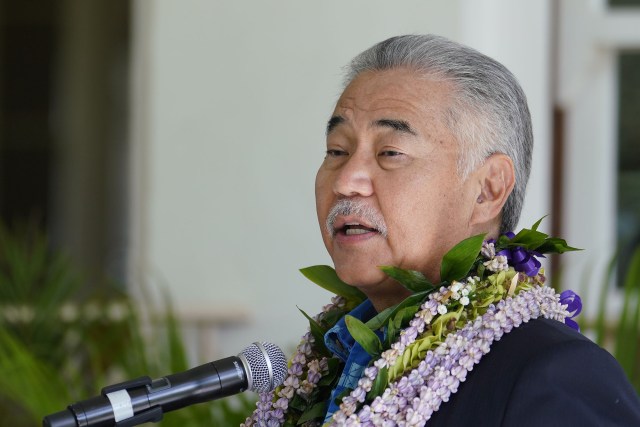
Over the past eight years Ige’s administration has demonstrated a steadfast commitment to supporting the visibility and health needs of Hawaii’s LGBTQ+ community.
The Department of Health issued two reports focused on challenges faced by sexual and gender minorities. The data reflected in these reports show that SGMs experience significant discrimination and barriers in health care access.
As the reports note, minority stress is felt by those who’ve experienced negative events due to their stigmatized minority status and is associated with negative health outcomes like high rates of suicidality, substance use, depression and social anxiety.
Hawaii would join the relatively few states that have enacted similar laws.
SGMs are more likely to be the victim of physical, sexual, and psychological abuse and to engage in high-risk behaviors like binge drinking and unprotected sex.
Lesbian or bisexual women are three times more likely to report poor overall health than heterosexual women. In comparison to their cisgender and LGB peers, transgender and gender nonconforming youth are more likely to experience housing instability, attempt suicide and skip school because they feel unsafe, and be physically forced to have sexual intercourse.
Ige’s administration has continued to provide vital health services to Hawaii’s under-resourced communities. DOH’s Harm Reduction Services Branch helps ensure that those who test positive for HIV are linked to medical care and treatment that includes life-saving anti-retroviral medication. It also maintains its landmark statewide syringe access program, which has kept HIV rates low among people who inject drugs for over three decades and serves as a model for other states.
Ige is also the first Hawaii governor to issue proclamations supporting Transgender Day of Remembrance and World AIDS Day.
HB 2405, SB 2136 and SB 2670 can strengthen his record of inclusive and compassionate leadership and bestow a tangible legacy of policies benefiting Hawaii’s SGMs for years to come.
 Sign up for our FREE morning newsletter and face each day more informed.
Community Voices aims to encourage broad discussion on many topics of community interest. It’s kind of a cross between Letters to the Editor and op-eds. This is your space to talk about important issues or interesting people who are making a difference in our world. Column lengths should be no more than 800 words and we need a photo of the author and a bio. We welcome video commentary and other multimedia formats. Send to news@civilbeat.org. The opinions and information expressed in Community Voices are solely those of the authors and not Civil Beat.

Local reporting when you need it most
Support timely, accurate, independent journalism.
Honolulu Civil Beat is a nonprofit organization, and your donation helps us produce local reporting that serves all of Hawaii.
ContributeAbout the Authors