The City Council Is A Mess. Why Can’t The Legislature Be More Like That?
If you prefer unpredictable plots, you might want to turn your gaze away from the Capitol and catch the show at Honolulu Hale.
June 13, 2023 · 5 min read

About the Author

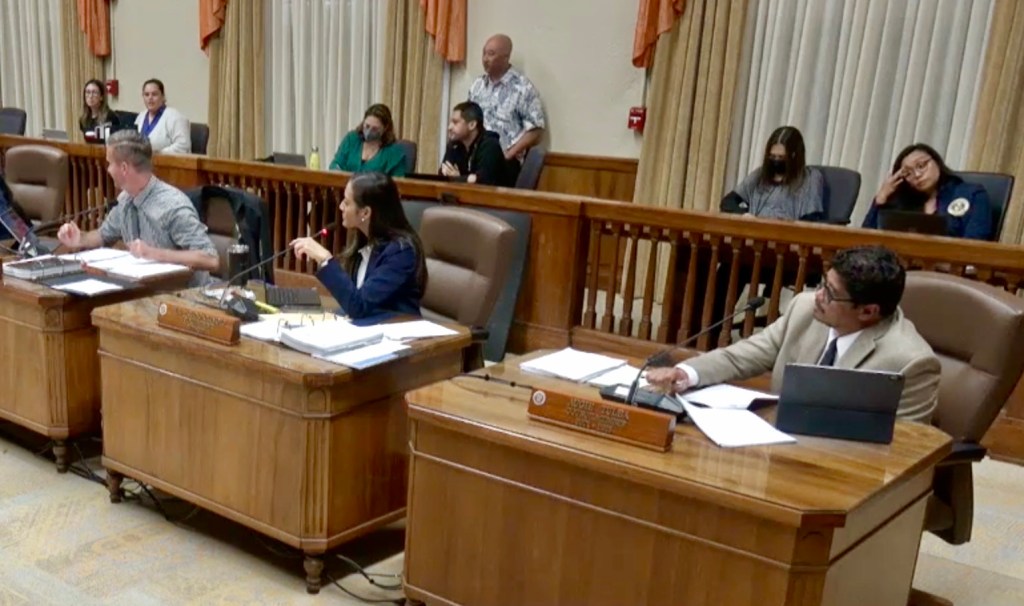
It wasn’t the Honolulu City Council’s finest day.
The audience waited for hours in council chambers last week to voice its opposition to 64% pay raises for the council members and to denounce some questionable tactics intended to move those salary hikes along.
And yet …
The council’s messy marathon displayed traits sorely lacking in the recent legislative session. There were open disagreements among council members and even impromptu, unhurried conversations with those audience members.
It all smacked of unscripted democracy in a setting where no one could be sure what would happen next.
That’s a far cry from what just went down at the Capitol, where most of the big decisions turned out to be preordained, and where most committee meetings were lifeless exercises given over entirely to the whims of the chairs.

Why do City Council members seem to have a pulse while state lawmakers seem to go through the motions in a daze?
There are several reasons:
- Council members have to follow the Sunshine Law, which means they can’t meet behind closed doors to hammer out their differences and get their stories straight before going public. Legislators exempted themselves from this law, and it shows.
- Even though they meet year-round, council members are willing to work late while legislators on a much tighter timeline nevertheless like to knock off early — on the last day of the conference committee period, any bill not finished by 6 p.m. was trash-canned.
- The showrunners have vastly different approaches. Say what you will about council chair Tommy Waters, but he treats his colleagues, city staffers and members of the public well. Over at the Legislature, even the best committee chairs run tight ships during public hearings — and if they want their labors to bear fruit they must pay homage to the higher-ups.
It’s not as if excitement never breaks out at legislative hearings. Recent debates over the Hawaii Tourism Authority and the future of presidential primaries come to mind, and past sessions featured high drama during marathon hearings on gay marriage and assisted suicide.
But these are the exceptions.
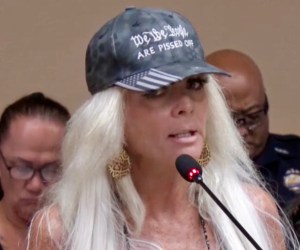
The Capitol could really use more of what the council dished up Wednesday. Given time to unwind a bit, the testifiers were generally compelling to listen to as they described a world where people don’t get 64% raises. Most were upset. Many were intense. A couple justified the police presence in the room by bordering on menacing.
It was must-see Olelo TV.
And the fact is, everyone who came to the podium expressed some level of respect for the council. One described Honolulu Hale as “our house.” They all got to say their piece, including some who testified remotely.
Council members were engaged, asking questions of the testifiers and each other. They were especially inquisitive about proposals from Waters and vice chair Esther Kiaaina that would prohibit them from holding second jobs.
Echoing much of the public testimony, Andria Tupola and Augie Tulba criticized the measures as short-sighted justification for the proposed pay raises. Outside employment is a good thing, they said, to keep council members tethered to the real world.
Waters and Kiaaina listened. They placed a hold on one measure that would have taken effect almost immediately and advanced only the measure that seeks to put the question to voters.
Waters hasn’t covered himself in glory on the pay raise issue, but at least he has telegraphed his moves in public view. He recently told Civil Beat he didn’t want council members to have to take stands on their salaries because that would be a conflict of interest. Besides, the raises were recommended by the Honolulu Salary Commission, not the council.
He went so far as to refuse to allow discussion of measures from Tupola and Tulba that would have rejected the Salary Commission’s recommendations.
They weren’t the only council members to speak up. Radiant Cordero announced before the meeting she would return her pay raise if she gets one. And Val Okimoto supported the higher salaries as well as the proposed ban on outside employment, saying it would be good for transparency.
It turns out that it’s a little harder to muzzle City Council members than it is legislators. And that’s a good thing.
This isn’t an apples-to-apples comparison. The council has nine members and meets year-round. The Legislature has 76 members and meets for less than four months.
But I’ll take Wednesday’s chaotic back-and-fourth at Honolulu Hale over the orchestrated proceedings at the Capitol any time.
 Sign up for our FREE morning newsletter and face each day more informed.

Local reporting when you need it most
Support timely, accurate, independent journalism.
Honolulu Civil Beat is a nonprofit organization, and your donation helps us produce local reporting that serves all of Hawaii.
ContributeAbout the Author