Naka Nathaniel: The Portuguese Influence In Hawaii Goes Beyond Ukes And Malasadas
Both share a history of inhabitants leaving for better opportunities.
July 19, 2023 · 6 min read

About the Author

My wife and I had dinner with old friends Friday night at an award-winning restaurant on the East Coast.
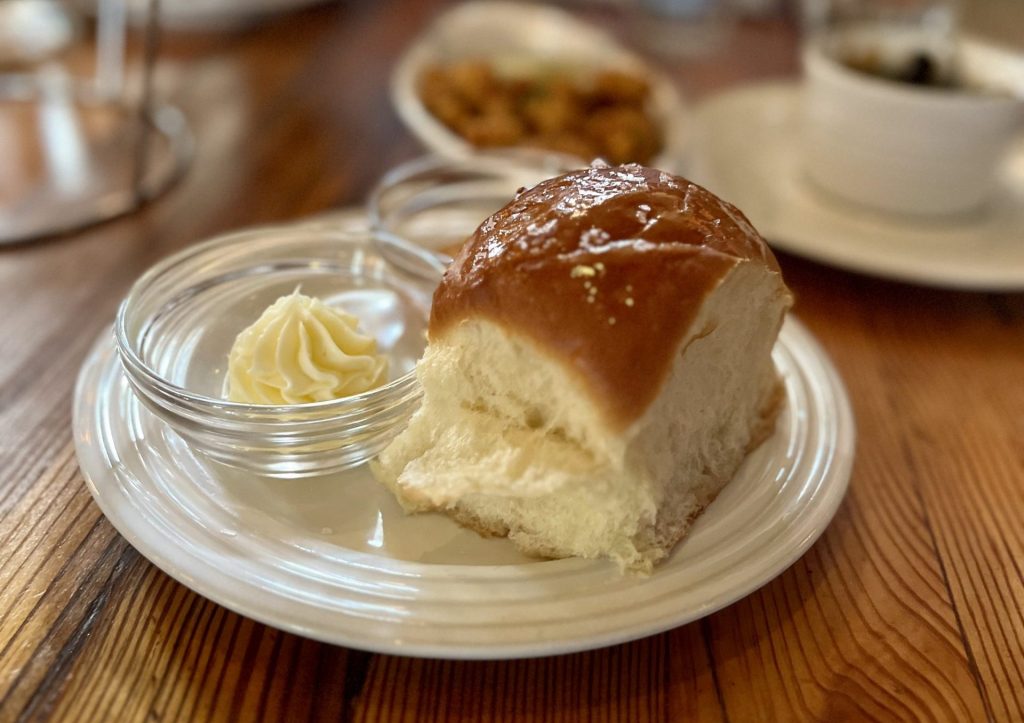
The first item on the menu was a “Hawaiian Roll.” I couldn’t resist.

The large hunk of bread was light and fluffy and distinctly Portuguese sweet bread.
I said to my friend and his wife that while this bread was ubiquitous in Hawaii, it was Portuguese. To continue the theme, I asked her to name a Hawaiian musical instrument: “Ukulele.”
“Nope. It’s Portuguese.”
She was surprised to hear that I was part Portuguese; I’ve usually been just labeled Hawaiian. (I will not admit to the possibility that I validated my ancestral bona fides with a Portagee joke.)
So I eagerly read Jonathan Okamura’s essay a couple weekends ago about “Where Have All the Portuguese Gone?”
Portugal is a country of only 10 million, yet it punches way above its weight class. After weathering tough economic crises, Portugal has become a soft power super power. At the end of last year, Monocle magazine had Portugal 13th on its list of soft power rankings and in past years it has been in the top 10.
Monocle had words of caution that also apply to Hawaii: “Portugal shouldn’t let those from abroad dictate the cost of living. It’s great that Lisbon is buzzing with recent arrivals but locals need to be able to afford to live there too.”
In the past decade, not only has a Portuguese person been the world’s best soccer player, but another was the head of the European Union and one is the current United Nations secretary-general.
My Portuguese great-grandparents departed Sao Miguel in the Azores aboard the S.S. Bell Rock, a beautiful steamship, and made their way to the plantations of Pahala in 1883.
Most Hawaiians with Portuguese ancestry are descendants of the Azores – leaving the islands is another commonality between the Azores and Hawaii.
“Stuck on a rock in the ocean there is limited scope for betterment, and mass emigration has been a trait of these islands’ history,” wrote Barry Hatton in his book, “The Portuguese: A Modern History.”
The difference is that the Azorean population is still the dominant one on those Atlantic islands.
The Azores are beautiful visual reminders of Hawaii. The islands are covered in pastures and volcanic activity. Blue hydrangeas line the roads. I like to think that my great-grandparents felt at home coming to Hawaii for the first time.
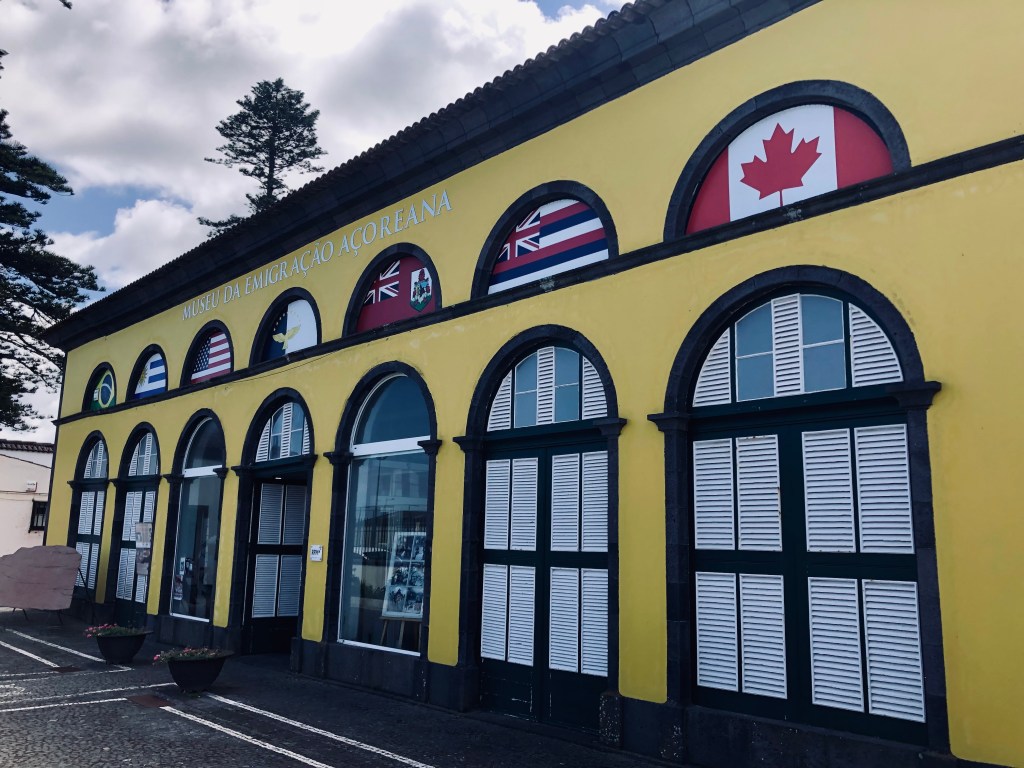
Sao Miguel has a remarkable little museum dedicated to emigration that attracts the Azorean diaspora. The flags adorning the facade of the building are those of Brazil, Uruguay, the U.S., Bermuda, Hawaii and Canada.
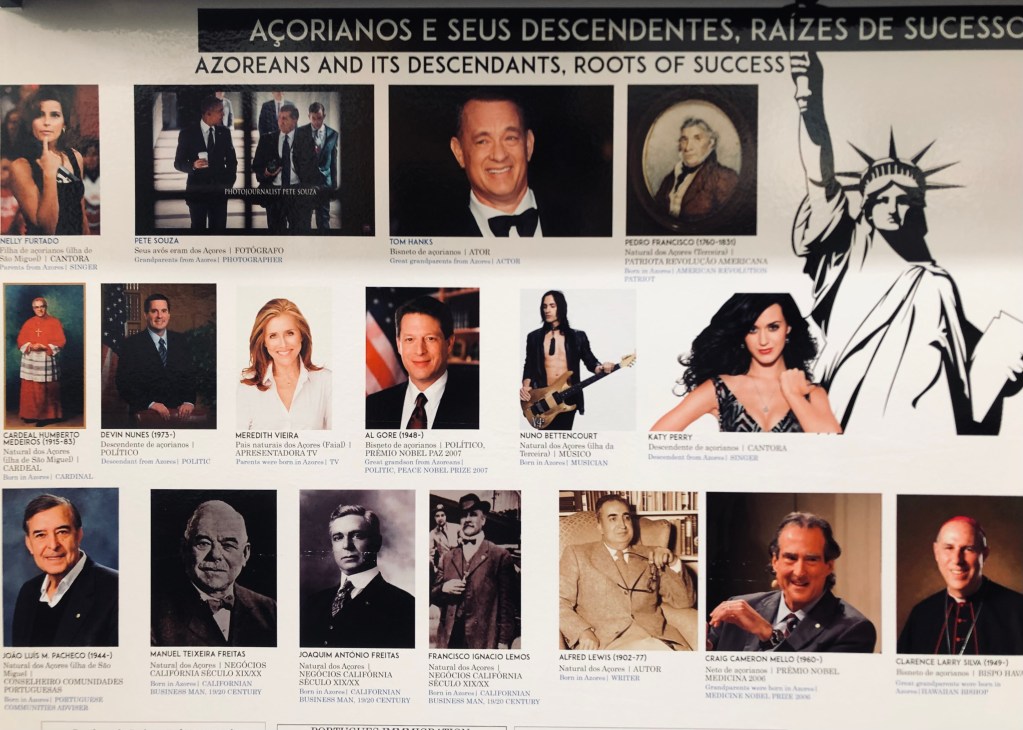
By far the most fun part of the museum is the display with notable non-Portuguese citizens with roots in the Azores. Besides Nelly Furtado, Meredith Viera and Devin Nunes, there was the “Huh, who knew?” Tom Hanks, Katie Perry and Al Gore.
I know. Tom Hanks is Portuguese?
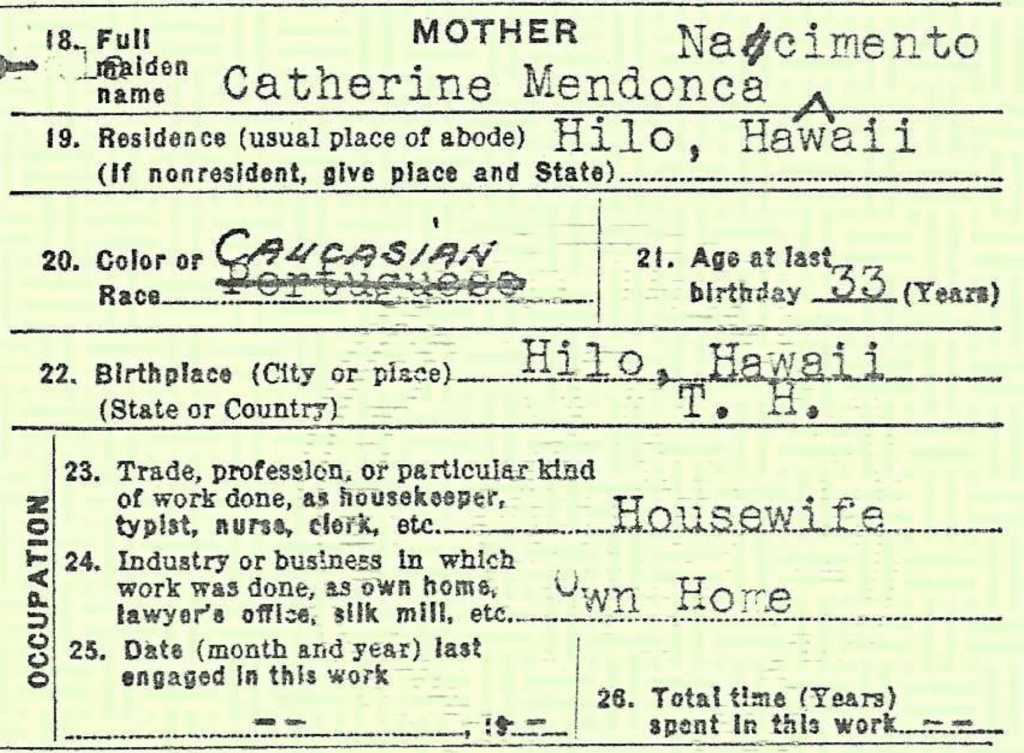
I appreciated Okamura’s column for explaining a curiosity on my father’s birth certificate. Normally when I look at his Territory of Hawaii document from 1939, the remarkable thing was that my grandfather’s Hawaiian name was scratched out, a blatant sign of the times.
But after reading the column, another curious scratch out now makes more sense. Out of administrative habit, my grandmother’s “color or race” was first typed as Portuguese (as would have been the standard for the U.S. Census until 1930) but then scratched out with “Caucasian” written in the margins.
It seems every conversation about the Portuguese in Hawaii eventually comes around to the topic of malasadas. I will not stray from the orthodoxy.
My aspirational malasadas are not today’s more common and caloric oversized pillows, but the smaller “five guys working toggedah” malasada that adorned the fingers of Willy Maunawili in “Rap’s Hawaii.”
I’ve never come close.
My weakness is getting the yeast to work right. I like to blame the cold winter weather in New York and Paris for not getting it right, but I know I’m to blame — especially for the ones that were undercooked and still doughy. I have too often made malasadas that lived up to their rough translation “badly cooked.”
I happened to bring malasadas into the newsroom the day The New York Times Rio de Janeiro correspondent was visiting. He got one of the “mal asada” (badly cooked) malasadas, but curiously told me he was unfamiliar with them though he was in from Brazil. I was under the impression that malasadas were Portugal’s gift to the world and that they would have certainly made their way there.
This malasada mystery carried over when I moved to France.
In Paris, many of the gardiens and concierges of the apartment buildings are of Portuguese ancestry. To mark my first Malasada Day in France, I was excited to share my decently made malasadas with a true Portuguese person. When I gave them to the gardien of our building, she said she wasn’t familiar with the term “malasada” but recognized the treats as “sonhos comme petit rêve” (little dreams).
I certainly hadn’t solved any great culinary origins mystery, but I better understood the difference between the islands and the continental U.S. The sweet fried balls of dough had traveled but the name hadn’t.
I’ve never heard a peep about Portugal being upset for having ukuleles or sweet bread being considered quintessentially Hawaiian. Don’t they want credit for their intellectual property? Instead it’s likely just another example of Portuguese soft power.
Another example of that soft power here in Hawaii is, of course, humor. There’s no way I’m going to share a Portagee joke here, but I do have a small story.
As a neophyte in a New York restaurant on one of the first dates with my future wife, I had the opposite experience when I ordered “sweetbreads” from the menu. I wanted her to experience the joys of a warm “Hawaiian” roll. Instead of the hoped for pao duce, what we were served was just… offal.
 Sign up for our FREE morning newsletter and face each day more informed.

Local reporting when you need it most
Support timely, accurate, independent journalism.
Honolulu Civil Beat is a nonprofit organization, and your donation helps us produce local reporting that serves all of Hawaii.
ContributeAbout the Author