Rep. Jill Tokuda: Bipartisan Farm Bill Will Reduce Hunger And Lower Costs For Farmers
Agriculture in Hawaii has never been easy, but it has always been central to our way of life.
March 19, 2024 · 5 min read

About the Author

Every five years, Congress has the opportunity to tackle key challenges agricultural producers face and, in doing so, improve the lives of millions of Americans. By renewing critical federal nutrition programs, ensuring a stable food supply, and supporting producers across the country, we determine the future of agriculture in America.

This chance to help farmers and feed families that only comes twice every decade, is known as the Farm Bill.
Last year, in anticipation of the Farm Bill, I went to five islands in five days, holding listening sessions and roundtables so I could directly hear from farmers, ranchers, producers, and everyday people who care about agriculture.
What we heard during those five days, and on many other visits and meetings since, ran the gamut of issues, but one thing came across loud and clear: they love what they do, but it’s hard.
Agriculture in Hawaii has never been easy, but it has always been central to our way of life. Whether for subsistence, trade, or industry, what we have grown and produced has shaped the financial, political, cultural, and environmental landscape of our islands.

I’m humbled and honored to be the only member of our congressional delegation to serve on an agriculture committee while the Farm Bill is up for consideration. I’m fighting to ensure Hawaii’s unique challenges, needs, and opportunities in agriculture are represented at the table, that agriculture remains a part of Hawaii’s way of life.
As a direct result of our listening sessions and roundtables, I’ve introduced 11 bills that support Hawaii agriculture and cosponsored another 104 bills that would enact real, lasting change to nutrition assistance and agricultural production in Hawaii.
Core Principles
I truly believe that the members of our House Agriculture Committee want to pass a strong, bipartisan Farm Bill. While extreme coalitions within the House Republican majority may test this assumption, I’m committed to working with our entire committee to get it done for Hawaii and our country.
An effective, bipartisan Farm Bill will reduce hunger, strengthen American producers, invest in sustainable agriculture, and lower costs for farmers and families. We cannot do so by putting large corporations before our rural communities and those in need.
To ensure we stand true to these priorities, I have core principles and lines in the sand as we negotiate.
First, this Farm Bill must reduce hunger in our nation. The pandemic showed us how fragile our food safety nets are, and investments in federal nutrition assistance programs kept keiki to kupuna in Hawaii fed, reducing child poverty and food insecurity. We must build on that success.
Instead of capping the average Supplemental Nutrition Assistance Program benefit, we should improve access to nutrition programs and support resilient local food systems. I’ve introduced bills to factor the cost of food on our neighbor islands into Hawaii’s Thrifty Food Plan calculation and ensure that kupuna are not kicked off SNAP for minor increases in their Social Security benefits. Investments in nutrition programs feed the next generation and provide markets for those who grow our food.
Second, we cannot sacrifice increased investments in conservation for corporate interests. The Inflation Reduction Act invested a historic $20 billion into National Resource Conservation Service programs. These oversubscribed programs benefit farmers who want to implement climate-friendly practices and be better stewards of the land.
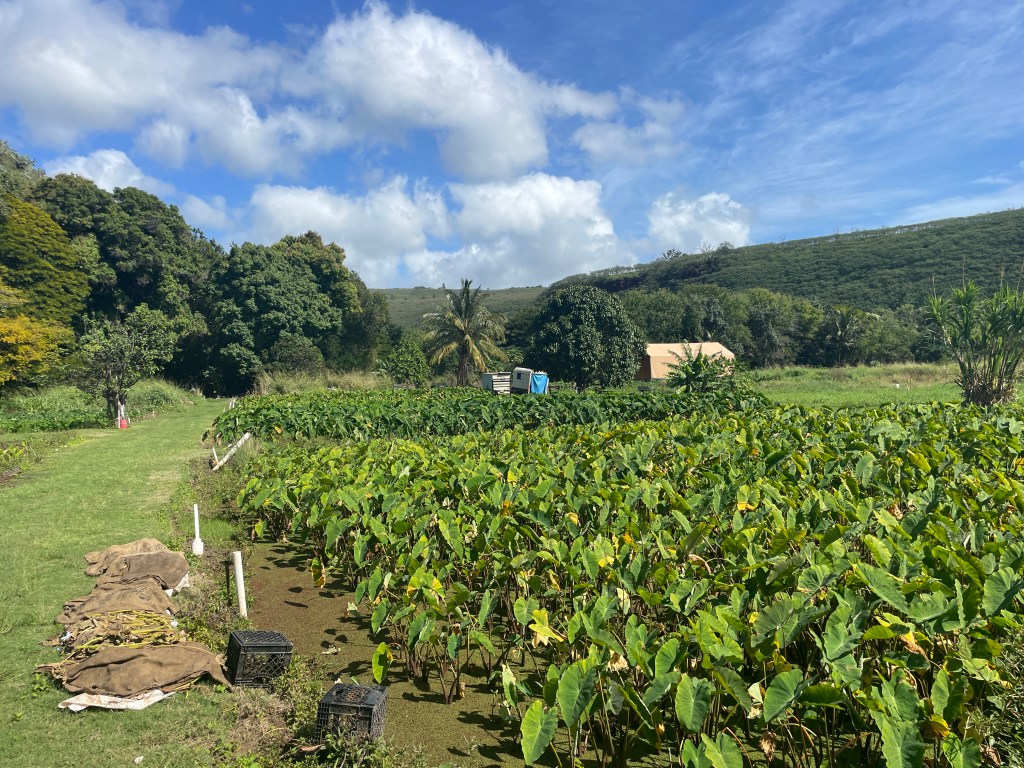
This funding is under threat to pay for higher commodity prices and increase benefits for a handful of large mono-crop commodity operations. This is unacceptable. In addition to opposing this looting of conservation funding, I’m working to improve these programs for Hawaii, including by incorporating traditional practices like loi kalo and loko ia restoration that have proven soil erosion prevention and consumer benefits.
Third, we cannot leave our rural communities behind. Our nation’s small- and mid-sized farms need access to capital and technical assistance, alongside investments in research and infrastructure needed to keep American agriculture viable amidst rapid innovation and global competition. We cannot be the only country cutting these investments at such a critical time. Food security is national security.
We cannot leave our rural communities behind.
Lastly, we must invest in the next generation of agricultural leaders through training and outreach that diversifies our agricultural workforce, including for Asian American, Native Hawaiian, and Pacific Islander farmers, so we can expand opportunity and sustain American leadership in agriculture for generations.
That’s why I’ve introduced legislation to strengthen the Alaska Native-Serving and Native Hawaiian-Serving Institutions Education Competitive Grants Program and invest in research for our canoe crops and in the next generation of Native Hawaiian farmers.
March 19th is National Agriculture Day — an opportunity for us to uplift and celebrate all those who make sure we have the food, fuel, and fiber to run this country. We owe it to them, to those who put the food on our tables, to pass a Farm Bill that supports them and keeps our farmers farming and our families fed.
 Sign up for our FREE morning newsletter and face each day more informed.
Community Voices aims to encourage broad discussion on many topics of community interest. It’s kind of a cross between Letters to the Editor and op-eds. This is your space to talk about important issues or interesting people who are making a difference in our world. Column lengths should be no more than 800 words and we need a photo of the author and a bio. We welcome video commentary and other multimedia formats. Send to news@civilbeat.org. The opinions and information expressed in Community Voices are solely those of the authors and not Civil Beat.

Local reporting when you need it most
Support timely, accurate, independent journalism.
Honolulu Civil Beat is a nonprofit organization, and your donation helps us produce local reporting that serves all of Hawaii.
ContributeAbout the Author