Neal Milner: Tradition And Innovation Collide In Unexpected Ways At A Kapolei Shopping Center
The Royal Hawaiian Band played there recently, and it was a chance to observe how island traditions are changing.
April 11, 2024 · 7 min read

About the Author

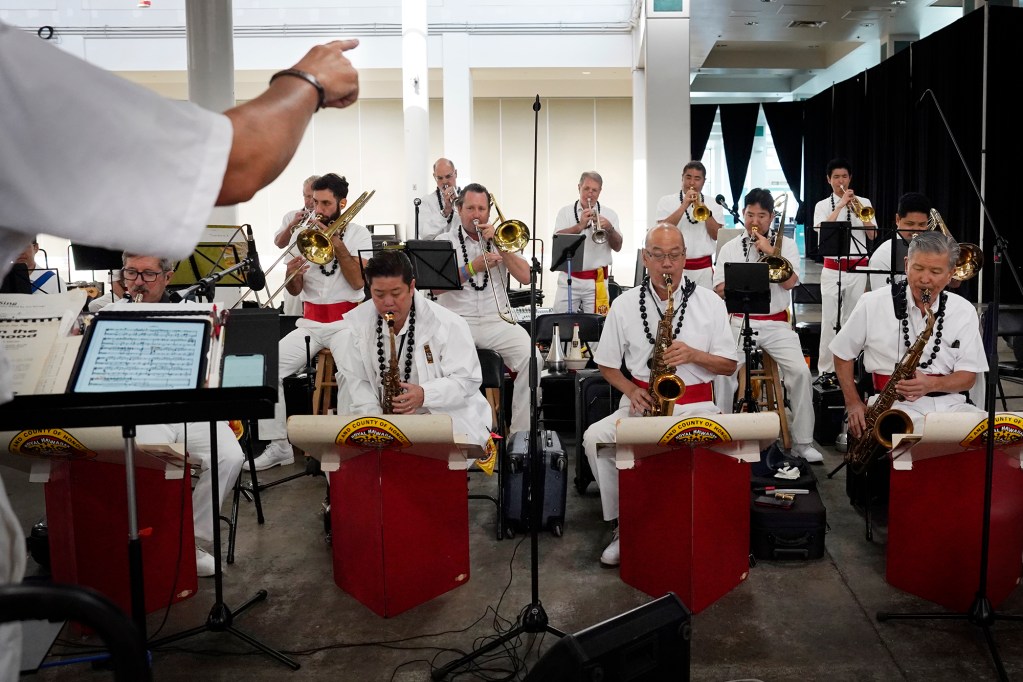
A few weeks ago, the Royal Hawaiian Band played a sunset concert at Ka Makana Ali’i Shopping Center in Kapolei. It was wonderful. The music and the venue, though, were an odd mix.

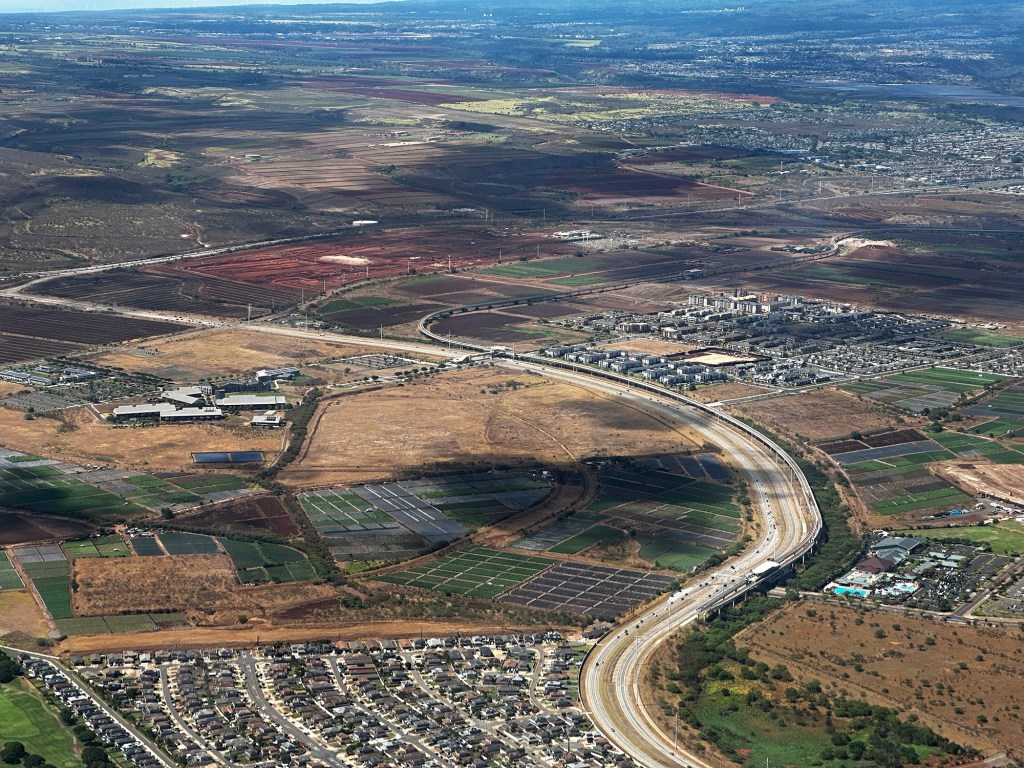
Talk about something old — the 188-year-old band — and something new, a community that only a few years ago was a cane field surrounded by scrub.
So, let’s talk more about that mix because the combination of the concert and the setting indicates something important about culture and change in Hawaii.
Think of culture and change as a combination of roots (tradition) and spread (adaptation and innovation).
Despite its deep roots, the Royal Hawaiian Band’s history is really about spread while Kapolei, on the surface so new, is more about roots than you think.
First, let’s be clear about the obvious, misleading differences. The band was founded in 1836, only 16 years after the missionaries arrived. Even politicians not subject to term limits haven’t been around that long.
The band played on a small stage at the 5-year-old Kapolei shopping center, a community that still feels like the essence of newness and seems to grow significantly by the week.
Though RHB does about 350 performances a year, we associate it with the lush, special places where they do their concerts, like Iolani Palace and the Kapiolani Park bandstand.
These venues have the feeling of old Hawaii — Gathering Places (sacred, historical, timeless) rather than just places where people gather.

Other settings that are not not so lush but equally iconic are the neighborhood Christmas parades — Yuletide rituals Hawaiian style. A sign that you are a real neighborhood.
Kapolei is manicured but not old-style lush. It is wide open and spread out, second-city newness, which is never like first-city oldness.
We don’t use the s-word in Hawaii, but Kapolei looks and feels much like a suburb.
Costco, Walmart, Target, an Ace Hardware store big enough to hold all of the other Oahu Ace stores combined. Three hotels.
And of course, populated by folks who have little or no roots in that place.
Ka Makana Ali’i’s small stage where the band played is a lovely oasis, but it abuts the back of the Hampton Inn, Kapolei’s first hotel, alongside the bright pink window trimmings of Victoria’s Secret.
Kind of what it would be like if Victoria’s Secret had a branch on the mauka corner of King and Richards streets across from the Iolani Bandstand.
Those are all visible differences that are important because people commonly use them to form their impressions about the difference between old and new Oahu.
Visible or not, the impressions are wrong because they give the wrong picture of the roots and the spread.
The Royal Hawaiian Band As A Spreader
Despite its deep roots, when it comes to culture, RHB is not simply a preserver of culture. It’s really a connector, adapter and innovator. It always has been.
Authenticity was never the band’s signpost. From its very beginning the band played a wide variety of music. Its first director, Henry Berger, whose stern appearance made him look like he conducted with a horse whip instead of baton, brought with him European concert and band music.
After that it has been wide open. The band, following the norms of musicians everywhere, has not been about preserving culture. More about playing what sounded good, from the Hilo March, which sounds like something the Band of the Coldstream Guards would march to on the Buckingham Palace parade grounds, to “Hawaiian music” of all types: hula, hapa haole, contemporary, Queen Liliuokalani’s compositions, as well as music from Asia.
At the shopping center the band played, as part of a sweeping medley of Hawaiian music, John Cruz’s “Island Style”, which I need to tell you really did swing.
“Island Style” is a great example of the way a musical group so different from Cruz and his backups tries to maintain the essence of the song but put its own stamp on it. That’s a little tradition and a little spread.

Kapolei: Creating Its Roots
The first thing to keep in mind is how places where people gather change over time. Older generations in Honolulu hung out in cane fields, plantation camps, street corners and the ocean.
Kapolei’s gathering places are more likely to be shopping centers, which has a lot to do with why Ka Makana Ali’i has that performance space, just as Ala Moana Center does, only the Kapolei stage is less formidable and more informal.
Some very iconic institutions and traditions have moved from town to Kapolei. The Department of Hawaiian Home Lands is located there, near new homestead homes, and across from the shopping mall.
Remember the annual Prince Kuhio Day Parade though Waikiki? It was one of the patterns of big-time iconic parades.
It is now held in Kapolei. Paula Akana, the executive director of Iolani Palace, former KITV anchor, and one of the earliest Kapolei residents, narrated the recent parade. You can see how different the setting was but how similar the parade was in other ways.
In fact, there’s a website with directions for how us townies who never wander out to those wide-open suburban spaces could get to the parade by, yes, rail. Nice try. Still, it’s possible to imagine it happening someday.
This bond to Prince Kuhio is even stronger. On Prince Kuhio’s birthday I saw a play commemorating his life on that same Ka Makana Ali’i stage where the RHB played. These historical plays — I’ve been in a couple — are usually performed at the old state Judiciary building and on the Iolani Palace grounds.
The center’s name Ka Makana Ali’i means “The Royal Gift” in tribute to Prince Kuhio who conceived of the Hawaiian Homes Commission.
The Mixture Of Roots And Spreads
The RHB is “traditional.” It is associated with Hawaiian and local culture and sense of place. At the same time, it has always been an innovator, experimenter and adapter that changed Hawaii.
Kapolei has a totally different history. We don’t think about it as a cultural preserver. But its links to older traditions are there, encouraging the rest of the island to lift and broaden its gaze when it looks at Hawaii’s traditions. And there is a strong desire to maintain.
The band and the shopping center, then, are active symbols of how culture works — the melding of tradition and adaptability — the old and the new and blurred borders separating them.
Sure, as John Cruz sings, we do it island style. But the island changes, which means so does island style.
 Sign up for our FREE morning newsletter and face each day more informed.

Local reporting when you need it most
Support timely, accurate, independent journalism.
Honolulu Civil Beat is a nonprofit organization, and your donation helps us produce local reporting that serves all of Hawaii.
ContributeAbout the Author