Hawaii State Spending Bills Need A Dose Of Sunshine
We are the only state in the country that does not have an independent office or process to create fiscal notes.
July 23, 2024 · 4 min read

About the Authors


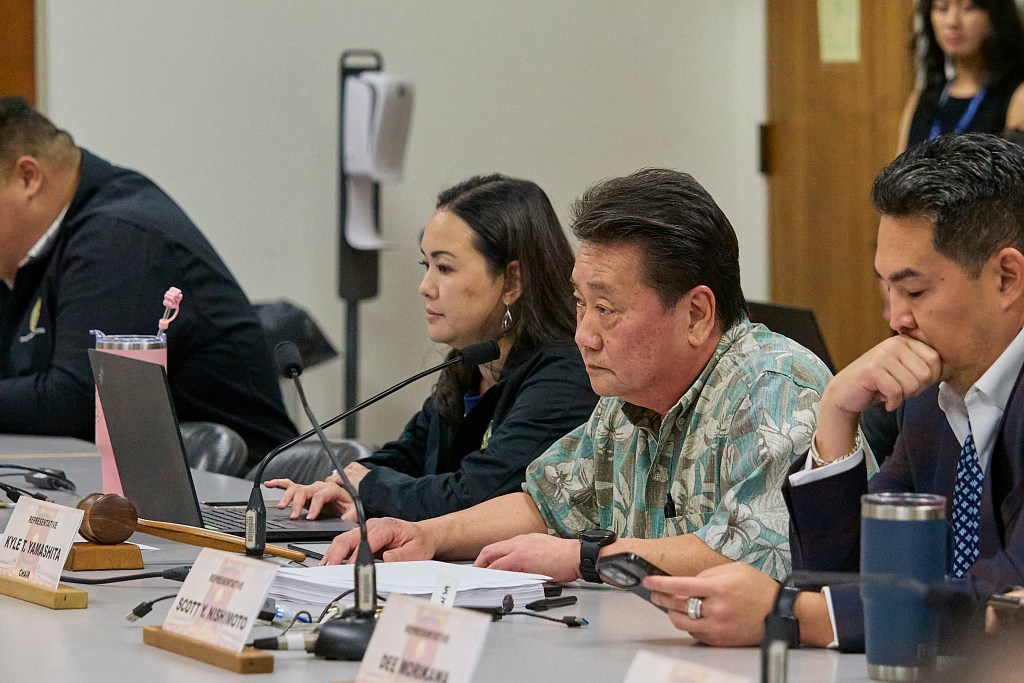
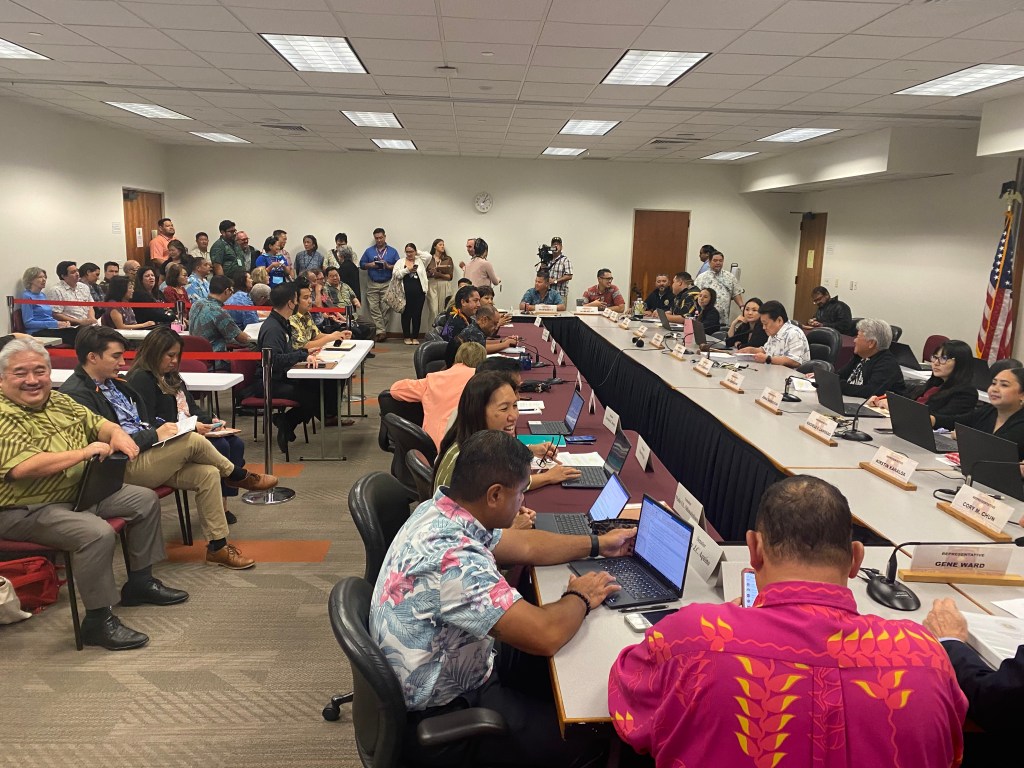
A pervasive problem has emerged at the Hawaii Legislature involving tax and spending bills that make it through to the end of session without estimates of how much they will cost or save the state and taxpayers.

Would you agree to a car repair without having an estimate of its cost? Should a business owner sign a contract with a vendor without agreeing to a price?
Yet our lawmakers regularly pass tax and spending bills without reliable estimates of how much they will cost.
There is a way to fix this. It’s a common practice called fiscal notes, which are informed estimates of how much revenue a bill might generate or cost.
According to the Council of State Governments, Hawaii is the only state in the country that does not have an independent office or process to create fiscal notes.
In some states, fiscal notes are prepared for all bills, while in others fiscal notes are required for specific bills or will be produced at the request of a bill’s introducer or the chairs of the appropriations committees.
In 2022, the Council of State Governments evaluated the use of fiscal notes by states in six categories: intent or purpose of the bill, cost involved, projected future cost, proposed source of revenue, fiscal impact on local government and “other.”
Maryland, for example, produces fiscal notes for all its legislative bills. For those that affect state revenues, it relies on spending-calculation methodology provided by the Department of Legislative Services — an arm of the General Assembly that oversees the fiscal note process and other services that in Hawaii are performed by the Legislative Reference Bureau.
Even bills that don’t touch directly on state appropriations or revenue receive a fiscal note in Maryland, which is done to promote fairness and let lawmakers know when a bill might have unexpected fiscal impacts.
These notes, including this one, are made public and can be accessed on the state General Assembly’s website.
In Hawaii, state legislators sometimes are provided with estimates of a bill’s fiscal impact via testimony from state agencies. Tax-related measures, for example, often elicit testimony from the state Department of Taxation.
However, relying on the executive branch for estimates of a bill’s fiscal impact is not ideal. Not only do executive agencies have their own biases and interests at stake, but using agency estimates can undermine the Legislature’s independence.
State lawmakers seemingly took note of this in 1990 when they passed legislation to create the Office of the Legislative Analyst. The purpose of the office was to conduct research on state revenues and expenditures and the state economy as a whole.
As the law that created the office noted: “In Hawaii, the Legislature relies on the economic and fiscal analyses of the executive branch and private sector. The Legislature believes that this dependency creates an inherent conflict of interest that precludes the Legislature from operating independently.”
Lawmakers should finally fund the Office of the Legislative Analyst.
That sounds great, but there’s just one problem: The Legislature never funded the office, so it was never established.
The idea of fiscal notes surfaced again during the recently concluded 2024 legislative session in the form of Senate Bill 2644, which would have created a Legislative Budget Office to replace the never-realized Office of the Legislative Analyst. The bill received only one hearing before being deferred indefinitely, allegedly for lack of money.
Perhaps next session, state lawmakers could reintroduce a bill like SB 2644 — or finally fund the Office of the Legislative Analyst — with a mandate that all fiscal notes be made public. This would enable our lawmakers to make more informed and fiscally responsible decisions as well as allow anyone to review the assumptions and cost estimates of each bill, and challenge or debate them, if needed.
Former state Rep. Cynthia Thielen stumped for fiscal notes in 2018 with the slogan, “Show us the price tag.” That was a while ago, but the slogan still applies.
 Sign up for our FREE morning newsletter and face each day more informed.
Community Voices aims to encourage broad discussion on many topics of community interest. It’s kind of a cross between Letters to the Editor and op-eds. This is your space to talk about important issues or interesting people who are making a difference in our world. Column lengths should be no more than 800 words and we need a photo of the author and a bio. We welcome video commentary and other multimedia formats. Send to news@civilbeat.org. The opinions and information expressed in Community Voices are solely those of the authors and not Civil Beat.
Read this next:

Local reporting when you need it most
Support timely, accurate, independent journalism.
Honolulu Civil Beat is a nonprofit organization, and your donation helps us produce local reporting that serves all of Hawaii.
ContributeAbout the Authors