‘Fighting To Keep These Programs Alive’: Art Classes Are Scarce In Some Hawaii Schools
Teachers and advocates say art is important for students’ mental health and development, but it’s not a high priority for the state.
On a Thursday afternoon at Nanakuli High and Intermediate School, students and teachers were hard at work transforming the cafeteria into a rehearsal space. They pushed lunch tables into the far corners of the room, turned on the speakers and opened the windows to combat the afternoon heat.
As the opening notes of the hit song “Timber” kicked in, 20 students took their places in the center of the cafeteria floor. For the next two hours, they ran dance numbers on repeat and diligently learned new choreography, stopping only for water breaks.
They laughed, cheered on their peers and imagined what their performances would look like by the time their musical showcase takes place in January.
The high school’s performing arts center holds rehearsals Tuesdays through Saturdays and serves students in grades 1-12 across the state. Over the past 34 years, the center’s activities have become the highlight of many kids’ week, said co-director Robin Kitsu.
“Who said learning had to be hard or unhappy?” Kitsu said. “We are challenging them as much as any math teacher or English teacher.”

For some of Kitsu’s students, dance rehearsals in the cafeteria are the only art classes they get. Hawaii doesn’t require arts as a graduation requirement, and elementary and middle schools often don’t have the budget to hire art teachers. High schools offer more electives like ceramics or band, but some students don’t have time to fit these courses into their schedules or feel pressured to focus on other classes and extracurriculars like sports.
Art classes have long been underfunded and underappreciated, but they’ve also become a harder sell since the Covid-19 pandemic, said Ashiya Carter, a professional dancer who has also taught in Maui, Kauai, Molokai and Lanai schools. As schools race to make up for lost learning time during the pandemic, art classes are often left behind.
Hawaii lacks detailed data on art classes, said Danica Rosengren, an education specialist at the State Foundation on Culture and the Arts. Last year, the Department of Education had over 500 art teachers in middle and high schools, but it hasn’t tracked how this number has changed over time.
Financial support for the arts has also become more precarious in recent years. Lawmakers considered a bill earlier this year that would have significantly cut funding for the State Foundation on Culture and the Arts, which helps place local artists in public schools. While the bill didn’t pass, concerns about sustaining art classes remain.
“Year after year, we’ve been fighting to keep these programs alive,” Carter said.
Limited Learning And Funding
In his band classes at Ilima Intermediate in Ewa Beach, Richard Akamine watches his students develop important life skills – perseverance, time management and empathy. Since the pandemic, he said, it’s been especially important for students to have a space to express themselves and learn to work with one another.
But he also knows some Hawaii music teachers who were unable to return to their jobs at elementary and middle schools after 2020. When school budgets are tight, art classes are often the first to go, said Akamine, who also serves as president-elect of the Hawaii Music Educators Association.
The State Foundation on Culture and the Arts runs an annual program allowing artists to host a series of classes in public schools. Of the 113 schools participating this year, more than half don’t employ any art teachers.

The numbers aren’t necessarily representative of the entire state, Rosengren said, but the foundation has limited data on what arts education looks like in Hawaii schools.
Outside of the school day, learning centers have played a key role in boosting participation in the arts.
DOE currently has 29 learning centers that host activities and classes for students across the state and specialize in topics like business, agriculture and the performing arts. The centers receive their own stream of funding from the department, separate from their host school’s annual budget.
At Castle High School, the performing arts learning center serves up to 300 students and hosts classes in dance, singing and play production that culminate in shows three times a year, said director Karen Meyer. But it’s hard to meet demand and run high-quality shows when her annual budget is around $17,000, Meyer said.
When the center started in 1984, funding was closer to $74,000 each year.
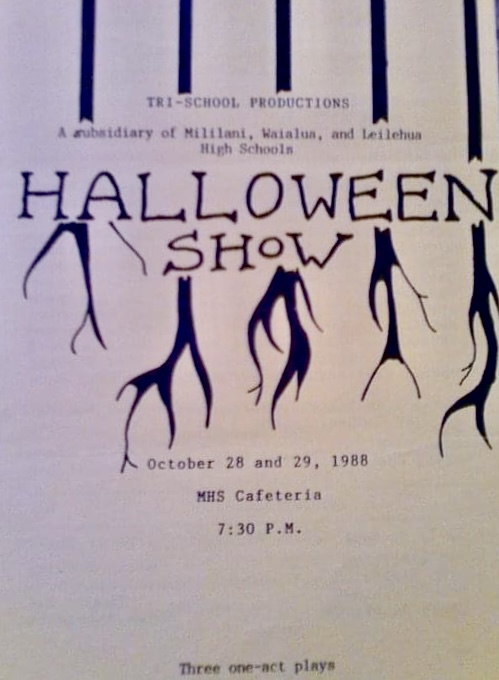
Funding cuts affect all of DOE’s learning centers, not just the ones for the arts, said Geneva Esguerra, who runs the performing arts learning center at Mililani High School. But she’s heard recent talks about cutting the half-time coordinator overseeing each school’s center, and she’s not sure if principals will be willing to use their own budgets to staff and support after school art programs.
“Sometimes, I feel like the arts are often viewed as expendable,” Esguerra said.
Even when high schools offer art elective classes, it’s difficult for students to fit the courses into their day, said Promise Jellings-Faletogo, a sophomore at Nanakuli High and Intermediate. The school follows Hawaii’s high school academy model, meaning that most of the students’ coursework aligns with a specific career path.
Jellings-Faletogo aspires to become an actress, but there’s no Nanakuli academy focused on the performing arts. Instead, she takes classes in business management and attends Nanakuli’s learning center in the afternoons to develop her singing and acting skills.
“I don’t really have any other thing like this,” Jellings-Faletogo said. “This is the only place, or class, where I’m able to show my ability.”
Local Artists Fill The Gaps
With restricted schedules and and limited funding, some schools have turned to community organizations to provide arts education.
Through the State Foundation on Culture and the Arts, local artists go into public schools and host lessons on jewelry making, ceramics, taiko drumming and more. While lawmakers attempted to slash funding for the foundation earlier this year, Rosengren said the organization’s support for the Artists in Schools program has only grown. The foundation typically serves 120 to 130 schools each year.
But the program isn’t intended to replace full-time, licensed art teachers. Artists receive $8,000 to host a handful of sessions in schools, Rosengren said, and at least $1,000 of their budgets go toward purchasing supplies for students.
On the Big Island, Prince Dance Company and Institute creates educational, interactive dance performances and puts them on tour for students across the state. The company’s current piece teaches students about astronomy through an hour-long dance performance and invites students to join performers on stage, said Angel Prince, executive and artistic director of the company.
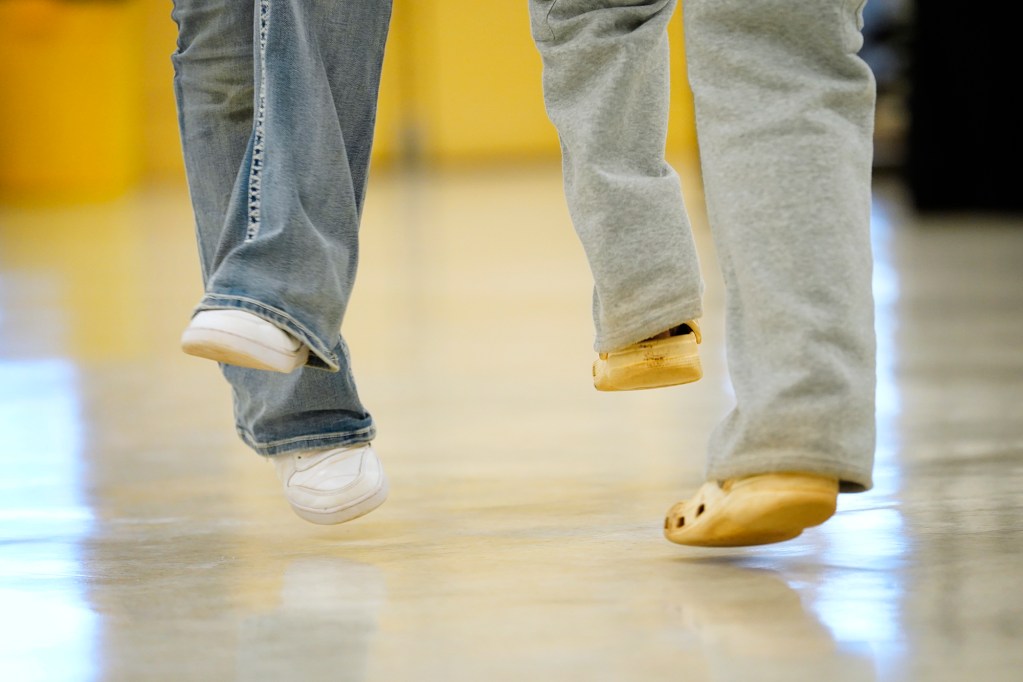
Through these dances, Prince said, she hopes to expose students to more professional art, especially in rural areas.
“At the end of the day, the important part of this is connecting with the students,” she said.
At Nanakuli High and Intermediate, students ended their rehearsal by restoring the cafeteria to its original state. Students raced to close the windows, push tables to the center of the room and pull on their shoes, since many dance barefoot.
The work at the center isn’t easy, said Haley Sakakida, a sophomore at Mililani High School. It’s intimidating to perform on stage, she said, but she’s learned to love dancing over the past seven years.
“It’s definitely helped me be more involved in school activities, make new friends and socialize,” Sakakida said. “It’s just helped me become a better leader and person.”
Civil Beat’s education reporting is supported by a grant from Chamberlin Family Philanthropy.