Beth Fukumoto: 6 Ways Legislators Can Make Life Better In Hawaiʻi
Sitting on a budget surplus, lawmakers need to make some down-payments on these initiatives.
December 25, 2024 · 5 min read


About the Author

Gov. Josh Green has released his proposed $21 billion two-year general fund budget, which offered a range of initiatives including public worker pay raises, climate change mitigation and housing programs.

Of course, the Legislature will also have priorities of its own, and like every year, neither will get everything they want. But, with a budget surplus, there’s a bit of room for negotiation.
So as the Legislature gears up for the coming session, I thought I’d put together my own wish list for priorities that would make a difference for Hawaiʻi’s residents.
As always, keep an eye on housing: The governor’s budget includes $50 million each year for the next two years to fund Kauhale tiny home developments. This initiative aims to build 30 sustainable, housing villages across the state by 2026, with a focus on providing both housing and supportive services for individuals experiencing homelessness.
These villages are designed to address not only the housing crisis but also the broader issues of economic independence and community sustainability. In 2024, Hawaiʻi’s homeless Point-In-Time count recorded 6,389 people experiencing homelessness, which underscores the urgent need for more housing solutions like this one.
Also on the topic of housing: Thousands of affordable housing units are at risk of converting to market rates when their Low-Income Housing Tax Credit periods expire. A report from AARP Hawaiʻi warns that over 11,000 affordable units could be lost in the next 20 years. While the Hawaiʻi Housing Finance and Development Corporation projects a smaller number, around 2,000 units, we can all agree that losing any affordable units is a step in the wrong direction.
To prevent this, the Legislature should fund a working group to really dive into the scope of the problem, figure out solutions like right-of-first-refusal policies, and explore ways to incentivize nonprofit organizations to take over ownership and ensure long-term affordability. While this won’t increase the number of affordable units, it would help us keep the ones we already have.

Now let’s talk about safety: Violent crime, especially in West Oʻahu, has been on the rise, and it’s clear that we need to do something about it. In September, West Oʻahu lawmakers emphasized public safety needs in their communities, calling for improvements such as better lighting, security cameras, and upgraded infrastructure in areas with rising crime.
West Oʻahu is most definitely on that list, but I’d love to see the Legislature create a statewide grant program tied to crime statistics to support similar efforts in other affected communities across Hawaiʻi.
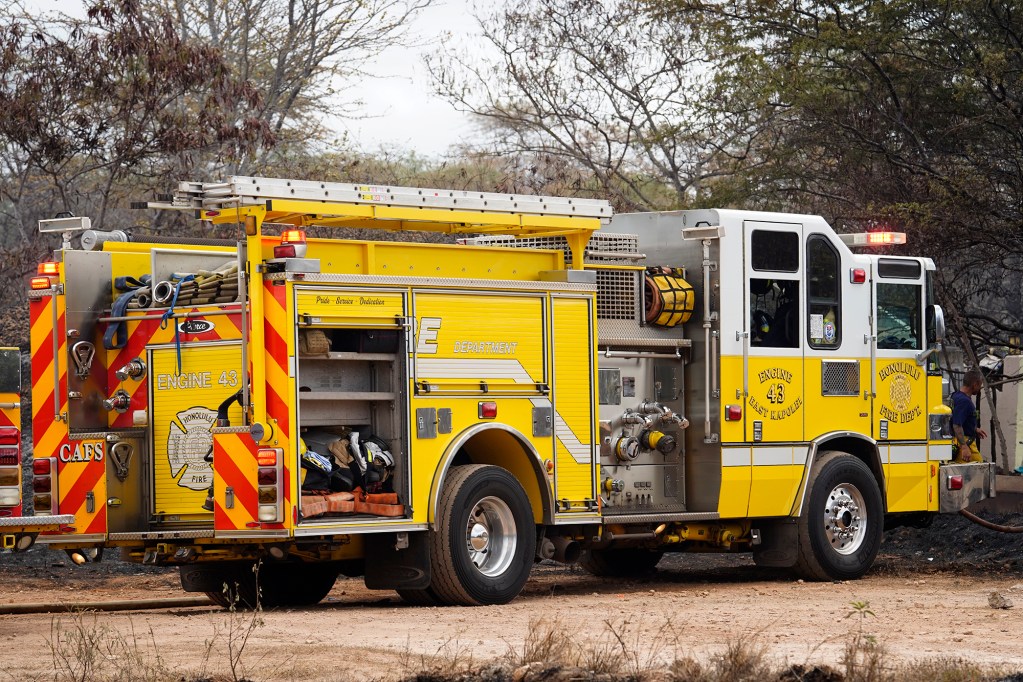
How we respond to emergencies: The Lahaina fire tragedy in 2023 exposed critical gaps in Hawaiʻi’s emergency communication systems. Residents weren’t properly warned about the growing danger, and it’s clear that we need to modernize our alert systems to ensure we’re better prepared for future disasters.
In October, Attorney General Anne Lopez listed 10 ways to protect Hawaiʻi from wildfires, echoing the Lahaina fire report that highlighted the need for real-time alert systems and increasing coordination among agencies. This year’s budget should include funding to improve those systems as well as fulfill Green’s request to fund the new fire marshal office and finance firebreaks.
A serious breakdown of Hawaiʻi’s child welfare system: This is another immediate challenge that came to the forefront this year through the Malama Ohana Working Group. One of the group’s recommendations is to create a new state entity to support struggling families before they need to get involved with Child Welfare Services. Rather than an entirely new entity, the Legislature could consider funding a new initiative within the existing department focused on prevention.
The group also called for a new ombudsman’s office to investigate any serious incidents involving children in the system. As a start, the Legislature should consider directing and funding an initiative within the current Ombudsman’s Office to investigate deaths and injuries to children who have interacted with CWS.
Take child and adolescent mental health more seriously: This month, the Department of Health’s Child and Adolescent Mental Health Division was awarded a much-needed $11.99 million federal grant to improve mental health services for children statewide. But the state needs to make its own investments too.
The Department of Education is asking for $1.7 million to continue funding two initiatives designed to address students’ growing mental health concerns. These include an electronic platform that integrates social-emotional surveys with a centralized database to track student academic performance, attendance, behavior, mental health and social-emotional needs, and a student mobile application aimed at providing guidance and support for managing mental health.
Of course, there are plenty of other issues that need attention too.
We still have a shortage of doctors. We’re constantly playing catch-up with our infrastructure needs. The Department of Agriculture could certainly use more funds to address invasive species, and we need to focus significantly more money on climate change mitigation.
But these six priorities seem like a good place to start. With the state sitting on a budget surplus, this is the time to both make targeted investments that will improve the lives of Hawaiʻi residents and add more to our rainy day fund. It won’t solve everything, but it’s a start.
 Sign up for our FREE morning newsletter and face each day more informed.

Local reporting when you need it most
Support timely, accurate, independent journalism.
Honolulu Civil Beat is a nonprofit organization, and your donation helps us produce local reporting that serves all of Hawaii.
ContributeAbout the Author