Wealthy Second-Home Owners Exploit Local Residents
Decision makers should sharply curtail permits and entitlements for developments.
January 29, 2025 · 5 min read

About the Author

If a tourist stays at a hotel, the hotel corporation will pay corporate income taxes, general excise tax, and transient accommodation tax. Similarly, if a tourist stays in a rented condominium (short-term rental), the owner must pay income, GET, and TAT taxes.

However, if a wealthy out-of–state person buys a second home to use 5-6 months a year, they may pay none of those taxes.
Multiple developers in South Maui are now applying to the Maui Planning Commission to entitle many thousands of second homes for wealthy non-Hawaiʻi residents. Why should those people get a free ride using all our state and local services and not have to pay their fair share of taxes?
Residents should be mad as developers and county decision-makers prioritize building expensive second homes instead of needed affordable residences.
To avoid having to pay for necessary infrastructure upgrades, developers even tout the fact that they are building homes almost exclusively for the second-home market. They claim that the houses will usually be unoccupied. Here are some recent statements made for South Maui projects:
Ledcor intends to build 975 homes (only 75 would be affordable) on the remaining Wailea vacant lots. They say that these homes do not justify improving Piʻilani Highway to four lanes, as required in the South Maui Community Plan, because their home will be sold as second homes to part-time residents.
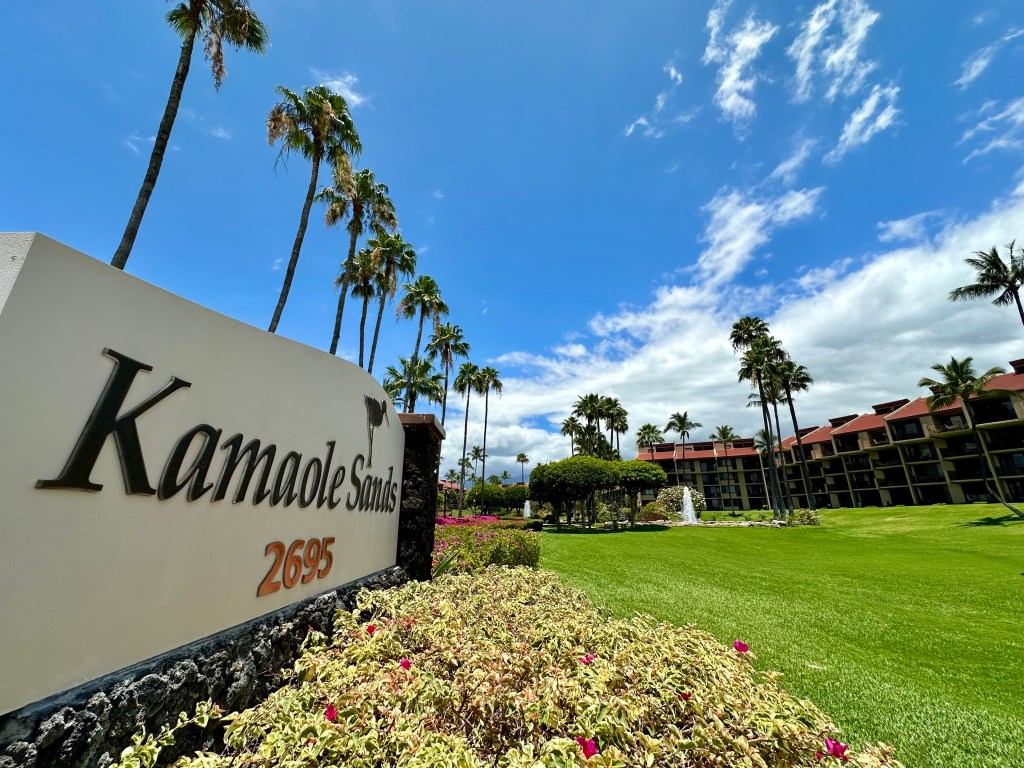
Their draft environmental impact statement explicitly and proudly states that traffic will not be impacted by this project because the houses will be owned by part-time owners.
Their application to build the 900 high-priced homes states: “As a residential community, the demographic profile of primary anticipated buyers are off-island residents that will use the units as part-time residences. Based on the Applicant’s experience in developing similar projects, it is anticipated that approximately 90% of the for-sale units will be utilized as part time residences which minimizes the long-term impact on surrounding infrastructure and public services.”
Unsaid is that “part-time owners” will probably allow their friends to stay when owners are absent, i.e., more traffic.
More Nonresident Maui Homes Planned
A second large development is Mākena Golf & Beach Resort, which plans to build about 900 units, mostly for the second-home market.
Their EIS Prep Notice states on page 37, “As a resort community, the expected buyer demographic profile includes a few local residents, with the majority of buyers being from off-island. Based on the Applicant’s experience in developing similar projects, it is anticipated that the majority of market rate housing will be utilized as part-time residences that are not anticipated to be rented.”
According to a recent report by Pacaso, a real estate firm, Maui’s second-home ownership numbers equal 42.9% of resident-owned homes. In other words, there are already thousands of homes on Maui owned by nonresident, second-home owners!
Why should those people get a free ride using all our state and local services?
Why is this important and how will these projects place a greater burden on local Hawaiʻi residents?
If the wealthy mainland second-home owners use their homes for less than 200 days a year, they do not pay any state income tax if they rely on income earned at their mainland domicile. They do not have to file a non-resident tax form if they have no Hawaiʻi income!
However, Hawaiʻi local “residents” must pay income taxes to support state services, even those services that benefit nonresident second-home owners.
Why do we need those tax revenues?
They finance our judiciary (court) system, the Department of Land and Natural Resources protects our environment, the state health department maintains safe restaurants, clean water and air, our airports, harbors and highway; our prison system; our K-12 and university systems; and so much more. Second-home owners may avoid paying income taxes that provide these functions while the burden falls on our residents.
What are the policy implications?
Decision makers should sharply curtail permits and entitlements for developments primarily producing second homes and prioritize having the construction industry and union members produce needed, affordable homes.
Furthermore, the state Legislature should rewrite its nonresident income tax policies to require second-home owners to pay taxes/fees for services they receive for free: a clean and safe environment, an educated workforce, easy transportation, etc.
The Legislature could require a sizable annual fee on all properties worth over the state medium property assessment owned by people or companies not paying a state income tax. For example, we already have special fees for car rentals.
At the county level, three decision-making units must make better decisions. County planning departments need to evaluate the impacts on residents and communities from additional second homes.
Planning commissions should consider the total financial impacts from projects, not just on county property taxes, but also on the considerable fiscal burden placed by second-home developments.
County councils should raise property tax rates on non-owner occupied properties and carefully screen proposed land uses.
 Sign up for our FREE morning newsletter and face each day more informed.
Community Voices aims to encourage broad discussion on many topics of community interest. It’s kind of a cross between Letters to the Editor and op-eds. This is your space to talk about important issues or interesting people who are making a difference in our world. Column lengths should be no more than 800 words and we need a photo of the author and a bio. We welcome video commentary and other multimedia formats. Send to news@civilbeat.org. The opinions and information expressed in Community Voices are solely those of the authors and not Civil Beat.
Read this next:
Local reporting when you need it most
Support timely, accurate, independent journalism.
Honolulu Civil Beat is a nonprofit organization, and your donation helps us produce local reporting that serves all of Hawaii.
ContributeAbout the Author