Why Civil Beat Is Using Diacritical Marks In Our Stories Now
With logistical issues solved by newer technology, the only question for us was this one: Could we be consistent? That’s where we need your help.
January 21, 2025 · 4 min read

About the Author

When I interviewed to lead Civil Beat last summer, a panel of reporters and editors asked me a question I couldn’t answer: “Would you support the use of diacritical marks at Civil Beat?” I was aware of the ʻokina and kahakō from many previous trips to Hawaiʻi and I had dealt with similar issues back in California related to English-language media using the Spanish tilde and accents. But I didn’t know nearly enough about the origins of diacriticals in the Hawaiian language to respond yes or no that July afternoon.
So I chose a classic job candidate middle ground, telling them I was open to considering it but needed to learn more.
That research took me down some fascinating paths related not just to language but history, not just punctuation but pronunciation and, on the logistics level, tricky issues about the way search engines work, since we want to be sure people can find our stories whether or not they type diacritical marks into their Google search box.
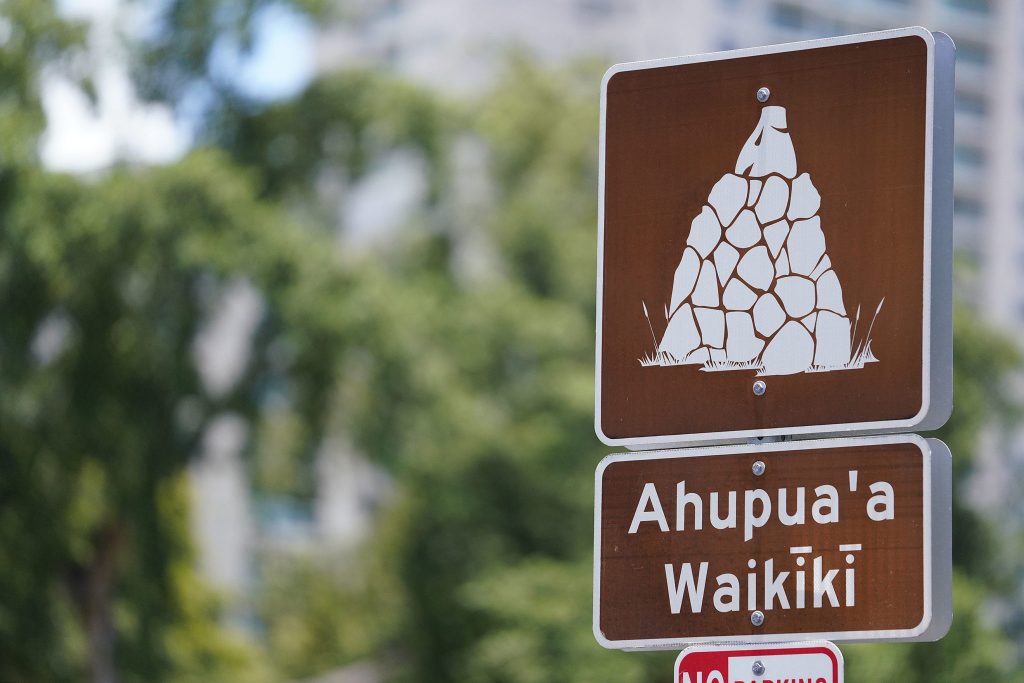
I now know that while Spanish accents began with Latin and the eñe dates back to monk scribes in the Middle Ages, diacritical marks in Hawaiian are far more modern and aimed at helping non-Hawaiian speakers pronounce words correctly. Many of the explanations for why correct pronunciation matters use “pau” as an example: pau (finished), paʻu (spot; smudge), paʻū (moist; damp), pāʻū (skirt).
That alone seemed a strong argument for moving forward.
But the logistical issues have been bona fide barriers in the past, with some online publishing systems throwing out code instead of the carefully placed marks once a story is published. So I took a closer look and it turns out that today, technology is our friend: ʻOkina and kahakō don’t seem to stump searches anymore and our content management system accommodates them all the way from our keyboards to your cellphones and computers.
Five months after that July interview, I had an answer: Yes, we absolutely need to do this. Many have paved the way, ranging from Hawaiʻi Magazine to the University of Hawaiʻi to the state Department of Transportation. We also have been using them since 2021 in our Ka Ulana Pilina initiative, under which we regularly translate a subset of Civil Beat stories into ʻŌlelo Hawaiʻi.
In fact, you may have noticed us using diacritical marks more in all of our English-language stories in recent weeks as a few staff members took a test drive. Not everyone uses diacriticals in their name, so we will defer to the individual choices of people and institutions. We’ll also continue to translate Hawaiian words in our stories as needed for clarity.
So, the only remaining obstacle to full deployment is a human one: We pride ourselves on accuracy at Civil Beat. Can we be consistent in our use of diacritical marks?
This is where we need your help. When you see us make a mistake or even what you think might be an error, get in touch — the sooner, the better. The beauty of an all-online publication is we can fix it on the spot, while also adding it to the list of things we’ll doublecheck in the future. Use our tips@civilbeat.org email, writing “Diacriticals check” in the subject line.
All I ask is that you communicate rather than criticize. We know we won’t always get it right, especially at the beginning, but it won’t be for lack of trying, together.
 Sign up for our FREE morning newsletter and face each day more informed.

Local reporting when you need it most
Support timely, accurate, independent journalism.
Honolulu Civil Beat is a nonprofit organization, and your donation helps us produce local reporting that serves all of Hawaii.
ContributeAbout the Author