Carbon Cashback Is Hawaiʻi’s Best Option For Cutting Emissions
It’s a carbon-pricing policy that would tax fossil fuel pollution, disincentivizing fossil fuel use.
February 10, 2025 · 5 min read

About the Authors



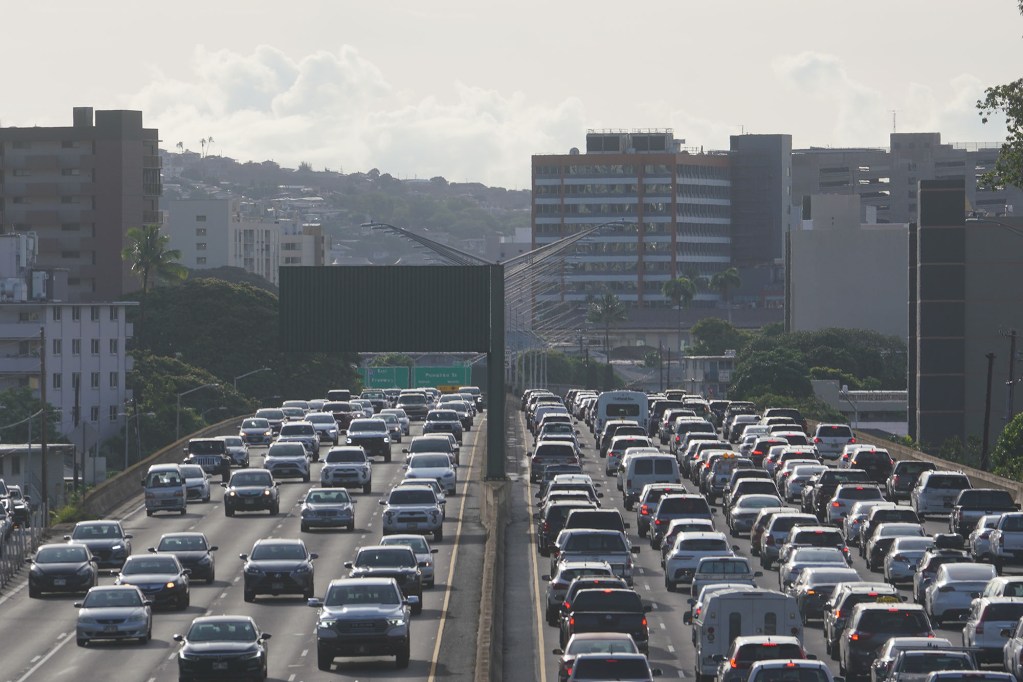
Earth’s climate future hinges on humanity’s ability to reduce carbon emissions. Unfortunately, Hawaiʻi’s current climate policies — like the renewable portfolio standards — fall short of addressing the biggest source of pollution: transportation.

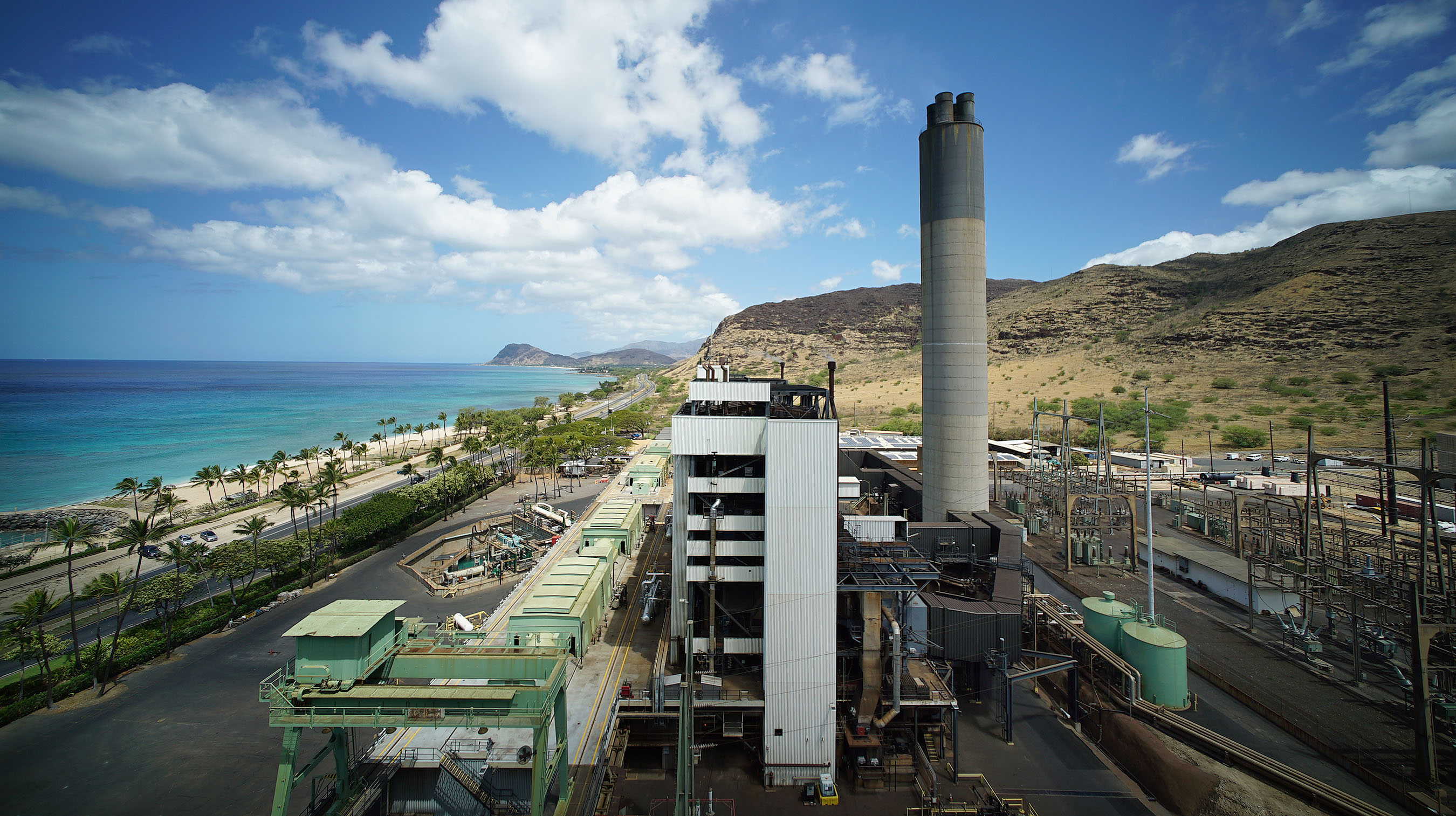
The RPS sets renewable energy targets for Hawaiʻi’s electric utilities and has done a good job reducing emissions from the economy’s electricity sector. Gov. Josh Green recently signed an executive order moving up the RPS renewable energy targets and should be credited for that.
While effective, the RPS does little to tackle the 60% of the economy’s emissions from cars, trucks, airplanes, and other vehicles that run on fossil fuels. The RPS may worsen the problem by pushing up the price of electricity, thereby reducing demand for it while leaving gasoline prices unchanged.
Carbon cashback bills at the Legislature this session (House Bill 760, House Bill 1375, Senate Bill 634, and Senate Bill 685) will reduce transportation emissions. Unlike RPS, which affects only the electricity sector, carbon cashback directly impacts the transportation sector — along with the entire economy — by addressing the pollution emitted by the combustion of gasoline and other fossil fuels.
In brief, carbon cashback is a carbon-pricing policy that would tax fossil fuel pollution, disincentivizing fossil fuel use in Hawaiʻi. The bill would also distribute the revenue from the pollution tax to people as a refundable tax credit.
A University of Hawaiʻi study shows that the majority of low- and moderate-income families would enjoy a net financial benefit because their refundable tax credit would more than compensate them from the higher prices resulting from the pollution tax.
In that manner, carbon cashback would financially support one-third of Hawaiʻi’s families whose wages do not cover all the necessities of daily living. Aloha United Way refers to them as ALICE families because they are Asset-Limited, Income-Constrained, and Employed.
Fortunately, Hawaiʻi’s Department of Transportation has begun to improve the transportation infrastructure to reduce emissions and is responding further as a result of the Navahine settlement agreement. The agreement was reached after several of Hawaiʻi’s youth sued DOT because Hawaiʻi’s existing transportation system does not reduce emissions and is inconsistent with their constitutional right to a clean, healthy environment.
Both parties settled, avoiding a court decision. The settlement agreement requires DOT to adopt a greenhouse gas reduction plan that includes actions to achieve zero emissions by 2045 for ground transportation and inter-island (marine and air) transportation.
However, unlike in the electricity sector, where the state may use the RPS and other mandates, DOT’s options are limited. For example, federal law prohibits DOT or any other state agency from mandating that all motor vehicles sold be electric.
DOT’s Greenhouse Gas Reduction Plan is expected to include infrastructure projects that reduce emissions, such as walkable streets, public transportation improvements, and an expanded electric vehicle charging network. Carbon cashback would improve the effectiveness of these projects by nudging people toward lower-carbon transportation alternatives.
Carbon pricing was one of the 1,500 emissions reduction policies examined by a study published in Science last year. Only 63 were effective, and carbon pricing was one of them.
In addition, the study found that carbon pricing worked synergistically with other emissions reduction policies to make them more effective.
Thus, while carbon cashback alone would effectively reduce emissions, it would also make other efforts, such as DOT’s clean infrastructure projects, more effective. Carbon cashback would supercharge DOT’s Greenhouse Gas Reduction Plan.
As noted previously, carbon cashback’s impact extends beyond the transportation sector. It would shift the entire economy away from fossil fuels.
It is estimated that carbon cashback would reduce emissions throughout the economy by the same amount emitted annually by 400,000 gasoline-powered vehicles.
Other bills introduced in the Legislature would also reduce carbon emissions. Although the impact of each has not been thoroughly examined, rough estimates indicate that carbon cashback would have the greatest effect.
Carbon cashback isn’t perfect — it’s not a “silver bullet” for climate action and would not eliminate all fossil fuels. However, neither does the RPS nor any other emissions reduction policy; no policy can do it alone. We must use a combination of synergistic options to ensure our collective efforts are effective and timely.
Carbon cashback offers a clear advantage over other emissions reduction policies because it does not require State funding. It funds itself.
Carbon cashback is not a “silver bullet” for climate action.
By contrast, the tax system typically funds existing state emissions reduction policies, such as the solar tax credit. Those policies are regressive, resulting in low-to-moderate-income families contributing a higher proportion of their income to fund those programs than high-income families.
Carbon cashback would benefit most low-to-moderate-income families because their refundable tax credit would be larger than the higher prices they would pay due to carbon pricing.
The time to act is now. Reduce polluting fossil fuel emissions. Embrace a clean, renewable energy future. Preserve Hawaiʻi for future generations. Enact carbon cashback.
 Sign up for our FREE morning newsletter and face each day more informed.
Community Voices aims to encourage broad discussion on many topics of community interest. It’s kind of a cross between Letters to the Editor and op-eds. This is your space to talk about important issues or interesting people who are making a difference in our world. Column lengths should be no more than 800 words and we need a photo of the author and a bio. We welcome video commentary and other multimedia formats. Send to news@civilbeat.org. The opinions and information expressed in Community Voices are solely those of the authors and not Civil Beat.

Local reporting when you need it most
Support timely, accurate, independent journalism.
Honolulu Civil Beat is a nonprofit organization, and your donation helps us produce local reporting that serves all of Hawaii.
ContributeAbout the Authors