Beth Fukumoto: Why Hawaiʻiʻs Housing Market Keeps Slipping Away From Locals
The state House killed a bill that went after big investors in residential real estate. There are other options to explore.
March 30, 2025 · 6 min read


About the Author

When the state Senate passed a bill to tax hedge funds buying up local homes, it wasn’t just making a policy argument. It was making a point.

Senate Bill 1033 targeted large institutional investors managing at least $50 million in assets — the kind of entities that might purchase dozens of single-family homes to rent out or hold for appreciation. It proposed a steep excise tax on newly acquired homes and financial penalties for exceeding a set number of properties. It wasn’t aimed at individuals or mom-and-pop landlords but at big-money buyers like hedge funds and real estate investment pools buying homes as part of a national trend.
The bill passed the Senate, then quietly stalled in the House.
Housing Committee Chair Luke Evslin, who declined to hear it, cited concerns from the Department of Taxation that the measure would be difficult to implement. Additionally, he said, “There isn’t evidence to show that these types of entities own a significant share of homes in Hawaiʻi.”
In his view, the real problem is underproduction, not over-speculation.
He’s not wrong. Most economists and housing advocates agree that Hawaiʻi hasn’t built enough homes. Infrastructure costs, restrictive zoning and lengthy permitting delays have made new development hard and expensive. Gov. Josh Green’s emergency proclamation on housing, which I wrote about previously, was the boldest attempt in years to cut through that red tape. But it was short-lived and controversial.
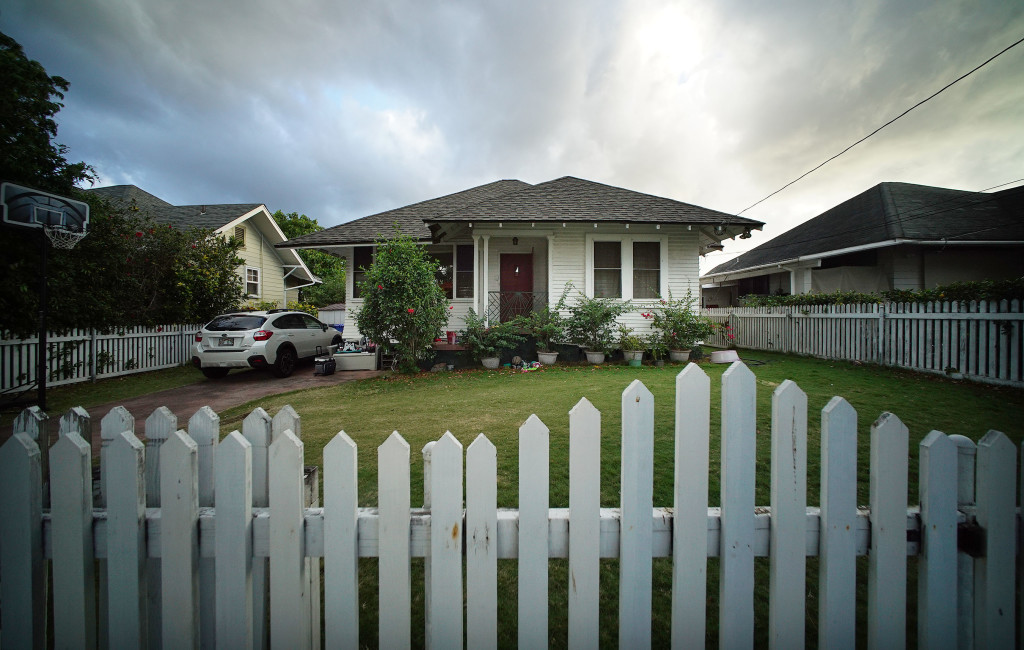
The truth is, we’ve made it purposely difficult to build in this state because we rightfully value the land for more than just housing. We haven’t figured out how to balance that cultural and environmental value with the need to shelter our communities. And that’s a major part of the problem.
Still, that doesn’t mean investor ownership should be dismissed out of hand. Across the country, there’s growing anxiety about the impact of institutional investors in the housing market. Large firms are consolidating residential properties in already strained markets. Whether their ownership is widespread or simply rising, the perception has power, especially in Hawaiʻi, where generational families compete with cash offers from out-of-state buyers.
Even if the data isn’t conclusive, the sense of being priced out by someone who’s never set foot in the neighborhood is real.
Tinkering With Property Taxes
Efforts to limit investment ownership aren’t new here. In 2019, the Legislature passed a bill to disallow the dividends-paid deduction for Real Estate Investment Trusts, effectively increasing their state tax burden. Then-Gov. David Ige vetoed it, citing concerns that it would chill development. REITs had helped fund both workforce housing, such as Moanalua Hillside, and luxury projects, like Park Lane.
Supporters of the veto warned that taxing REITs would stall future projects and threaten construction jobs. Critics of the veto pointed to tax-free profits leaving the state.
SB 1033 raised the same tension: Are we protecting local families from unfair competition or scaring off capital we need for housing?
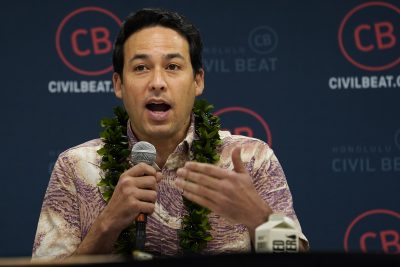
Sen. Chris Lee, who introduced the bill, said its goal was to “keep local homes for local families by making it harder for big mainland hedge funds to buy up Hawaiʻi houses.” After it stalled, Lee said the next step is to gather better data from agencies and real estate stakeholders to fully understand who is buying up local homes and what it means for the market.
That’s a good step. Currently, we’re trying to address a problem that we haven’t fully understood.
In the meantime, there are other ways to rethink our tax structure without immediately driving away investors. Hawaiʻi has the lowest effective property tax rate in the nation — just 0.26% of owner-occupied home value, according to the Tax Foundation. That’s often touted as a cost-of-living benefit. But it also means holding property here, even sitting on it vacant, is a low-cost way to store wealth.

This has consequences. It increases demand on our already limited supply. And we haven’t done much to distinguish between homes for local families and homes that sit empty.
Evslin supports taxing vacant properties at a higher rate, which is an idea that could help reduce speculation while avoiding the complexities of ownership-based taxation.
“If the goal is to bring prices down, then what we should care about is how a property is used, not who owns it,” Evslin said.
Currently, property taxes are within counties’ control, but some lawmakers have suggested withholding state funding to push counties to reform their property tax systems. In fact, House Finance Chair Kyle Yamashita floated the idea just last year.
For Locals, The Issue Is Personal
None of those ideas are simple. All have trade-offs. And most run into the same wall: a deeply rooted fear that any change could make things worse.
But change doesn’t always have to mean disruption. Across the country, governments have used tools like circuit breakers, which are tax credits for homeowners when their property tax burden exceeds a set percentage of their income, to protect working families without distorting the broader market.
They want to believe that if they work hard and save, they’ll be able to live near their parents, raise their kids and age in place.
Hawaiʻi counties already offer some forms of property tax relief through exemptions and income-based caps, but these vary by county and often don’t go far enough. If we’re serious about helping local people stay in their homes or aquire new ones, especially amid rising valuations, these kinds of tools should be part of the conversation.
And that’s the point: We need to have the conversation. Because Hawaiʻi’s housing crisis isn’t just about economics, it’s personal. People don’t just want homes. They want fairness. They want to believe that if they work hard and save, they’ll be able to live near their parents, raise their kids and age in place. When homes are treated like stocks in a portfolio, that promise starts to unravel.
SB 1033 wasn’t a silver bullet. But it raised questions that are worth answering.
The real problem is that we keep circling the same debates without deciding what kind of housing market we want and who we want it to serve. Until we do that, no tax policy, permit reform or zoning change will solve the deeper issue.

 Sign up for our FREE morning newsletter and face each day more informed.
Read this next:

Local reporting when you need it most
Support timely, accurate, independent journalism.
Honolulu Civil Beat is a nonprofit organization, and your donation helps us produce local reporting that serves all of Hawaii.
ContributeAbout the Author