Less than 3 days left to help us reach 250 donors by May 15. Make a gift of any amount today!
It’s Colorectal Cancer Awareness Month: How About Trying A Plant-Based Diet?
High-fiber plant foods quickly move through the colon reducing the contact between carcinogens and the digestive tract.
March 24, 2025 · 3 min read

About the Author

As a physician in Honolulu, I see the impact of poor diet on the lives of patients during every shift in the emergency room. The food we eat is taking a toll on our collective health, leading to conditions from obesity and diabetes to heart attacks and strokes caused by atherosclerosis.

Study after study has linked diets rich in meat, dairy, and processed foods to chronic health problems, and new research out of Wuhan, China, shows excessive processed meat consumption, and insufficient fruit and whole grain intake, have become the most significant dietary risk factors for gastrointestinal cancers.
What’s even more concerning is the number of younger adults being diagnosed. This is a nationwide trend. Adults born around 1990 have twice the risk of colon cancer and four times the risk of rectal cancer compared with those born around 1950, according to a study published by the National Cancer Institute, and colorectal cancer has become the deadliest cancer in men ages 20 to 49.
Here in Hawaiʻi, our overall colorectal cancer rates are higher than in the United States as a whole. According to the Hawaiʻi Department of Health, colon cancer is the second-leading cancer killer here with 700 men and women being diagnosed with it and 225 people dying from it each year.

While these data are disheartening, the news is not all bad. The risk factors for gastrointestinal cancers are modifiable. The new study from Wuhan, China, confirms this. We can change the trajectory of the numbers starting with what we put on our forks.
This month, which is Colorectal Cancer Awareness Month, I encourage Hawaiʻi residents to get screened for colorectal cancer and also to spend some time contemplating their diets. Consider giving up meat, dairy, and processed foods. Instead, focus on a whole food, plant-based diet, which is a powerful tool for disease prevention and management.
According to the World Health Organization, processed meat is a major contributor to colorectal cancer. Just 50 grams — a hot dog or a few strips of bacon — consumed daily increases the risk of it by 18%.
A plant-based diet, on the other hand, provides strong colon cancer prevention. For example, this study, published online in BMC Medicine, showed men who ate a healthful plant-based diet had a lower risk of colorectal cancer.
Processed meat is a major contributor to colorectal cancer.
High-fiber plant foods quickly move through the colon reducing the contact between carcinogens and the digestive tract. Plant foods also are high in phytonutrients and antioxidants.
For those new to plant-based eating, the Physicians Committee for Responsible Medicine has some tips for getting started.
The health advocacy organization recommends keeping it simple when it comes to transitioning to a vegan diet. Focus on minimally processed plant foods, avoid animal products, limit saturated fats, and minimize the use of cooking oils.
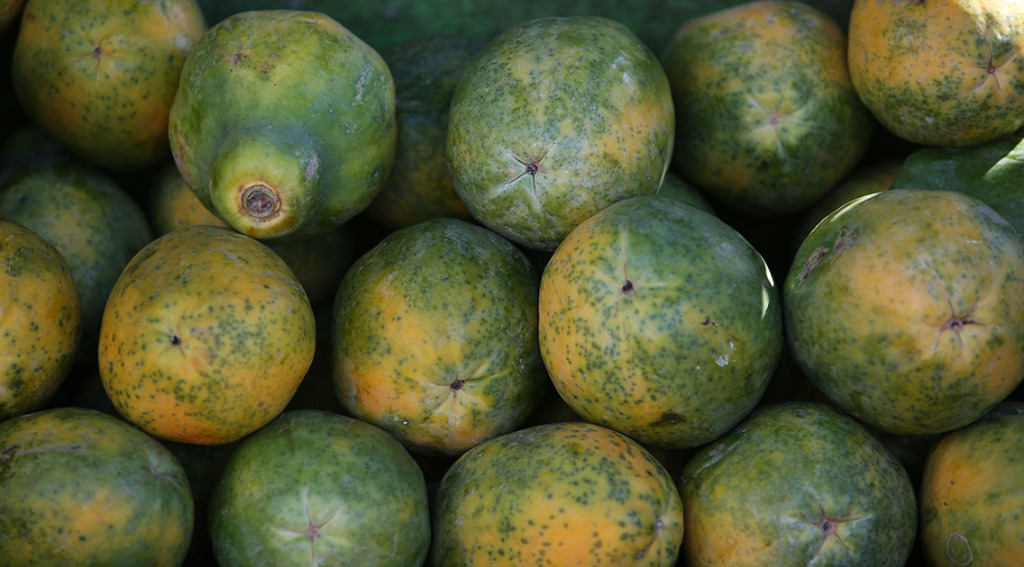
I encourage fellow residents of Hawaiʻi to stop eating processed meat like Spam, bacon, and hot dogs. Instead, take advantage of the plethora of tropical fruits available here, including papaya, pineapple, and mango, along with vegetables like sweet potato, taro, and leafy greens, all of which are grown year round.
These foods will make you feel better, help protect you from colorectal cancer and other chronic diseases, and potentially keep you out of the emergency department where I work.
 Sign up for our FREE morning newsletter and face each day more informed.
Community Voices aims to encourage broad discussion on many topics of community interest. It’s kind of a cross between Letters to the Editor and op-eds. This is your space to talk about important issues or interesting people who are making a difference in our world. Column lengths should be no more than 800 words and we need a photo of the author and a bio. We welcome video commentary and other multimedia formats. Send to news@civilbeat.org. The opinions and information expressed in Community Voices are solely those of the authors and not Civil Beat.

Local reporting when you need it most
Support timely, accurate, independent journalism.
Honolulu Civil Beat is a nonprofit organization, and your donation helps us produce local reporting that serves all of Hawaii.
ContributeAbout the Author