We Must Preserve The Human Rights Of Children Who Commit Crimes
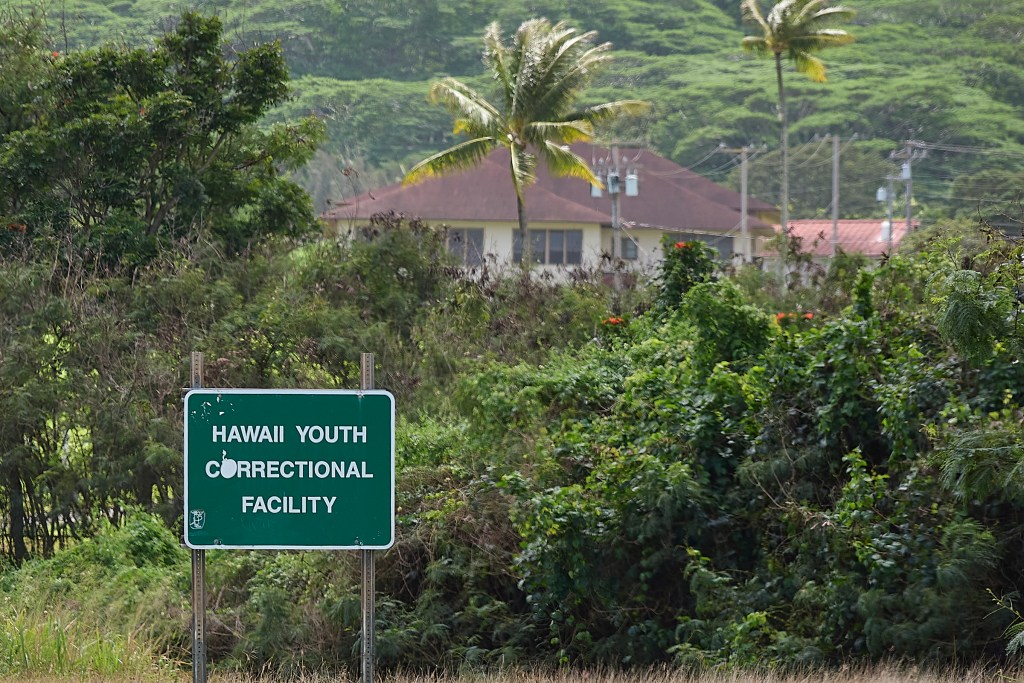
The Hawaiʻi Legislature just passed bills that will lead to greater human rights protections for system-involved youth in Hawaiʻi.
May 16, 2025 · 4 min read

About the Authors

Too often vulnerable and abused children end up in our juvenile and adult criminal justice systems where they are subject to practices that run afoul of human rights norms.

In Hawaiʻi, for example, there is no minimum age for when a child can be prosecuted in juvenile court.
Older kids who end up in the adult criminal justice system also experience human rights violations. Children facing serious charges can be held in adult jails, which is no place any child should ever be. If convicted, these youth face the exact same punishment as an adult without regard for why they came into the system in the first place.
A report published in 2023 by Human Rights for Kids found there are more than 32,000 people confined in U.S. prisons for crimes they committed as children.
Research on the prevalence of childhood trauma among this population has been conducted in states across the country including California, Louisiana, Maryland, Wisconsin, South Carolina, Arkansas, and Oklahoma. The results are distressingly consistent across all of these states: over 70% of children prosecuted as adults experienced physical or emotional abuse, and nearly 40% were victims of sexual abuse prior to entering the justice system.
For girls it’s even worse with more than 84% being victims of physical, emotional, and sexual abuse prior to committing their offense. Most children also experience trauma in their homes including parental separation (83%), neglect (70%), domestic violence (53%), substance abuse (75%), mental illness (54%), and incarceration (64%).
Even kids in juvenile or family courts contend with high rates of childhood trauma. A 2014 DOJ study of youth in juvenile court, for example, found that 90% of youth experienced at least two adverse childhood experiences and more than half experienced at least four. High levels of severe childhood trauma have been causally linked to adverse brain development in children.
Legislature Passes Reforms
The science behind childhood brain and behavioral development forms the foundation for why we must treat children differently when they commit crimes.
But there is hope. The Legislature just passed Senate Bill 694, Senate Bill 691 and Senate Bill 544 which will lead to greater human rights protections for system-involved youth in Hawaiʻi.
These reforms will establish a minimum age of 12 before a child can be adjudicated delinquent in the juvenile system and give judges greater flexibility by allowing them to deviate from mandatory minimums when sentencing youth convicted in adult court. The reforms also require judges to consider the impact of childhood trauma and the status of the child as a victim of sexual abuse or human trafficking prior to imposing a sentence.
Similar reforms were just signed into law by Gov. Sarah Huckabee Sanders in Arkansas. These reforms are bipartisan and reflect the reality that kids in elementary school should not be in our justice system and that kids tried in the adult system should not be sentenced like adults.
Equally important is eliminating the placement of children in adult jails and prisons. Children are five times more likely to be sexually and physically assaulted in adult prisons. The suicide rate of juveniles in adult jails is almost 7.7 times larger than that of juvenile detention centers.
Just last year a 16-year-old girl committed suicide while being detained in an adult jail in Mississippi. This followed the suicide of a young man in New York, after he was released from the notorious Riker’s Island Jail where he was held in solitary confinement for two years starting when he was 16 years old.
While we must hold youth accountable for crimes they commit, we must do so in a developmentally appropriate way that respects their human rights. These reforms are morally right and will lead to better outcomes for system-involved youth in Hawaiʻi.
 Sign up for our FREE morning newsletter and face each day more informed.
Community Voices aims to encourage broad discussion on many topics of community interest. It’s kind of a cross between Letters to the Editor and op-eds. This is your space to talk about important issues or interesting people who are making a difference in our world. Column lengths should be no more than 800 words and we need a photo of the author and a bio. We welcome video commentary and other multimedia formats. Send to news@civilbeat.org. The opinions and information expressed in Community Voices are solely those of the authors and not Civil Beat.
Read this next:

Local reporting when you need it most
Support timely, accurate, independent journalism.
Honolulu Civil Beat is a nonprofit organization, and your donation helps us produce local reporting that serves all of Hawaii.
ContributeAbout the Authors