City Council Chair Tommy Waters: Fix Sewers Without Drowning Families In New Costs
Instead of asking ratepayers to absorb the full 115% increase over 10 years, we’re proposing a more strategic and balanced plan.
May 8, 2025 · 5 min read

About the Author

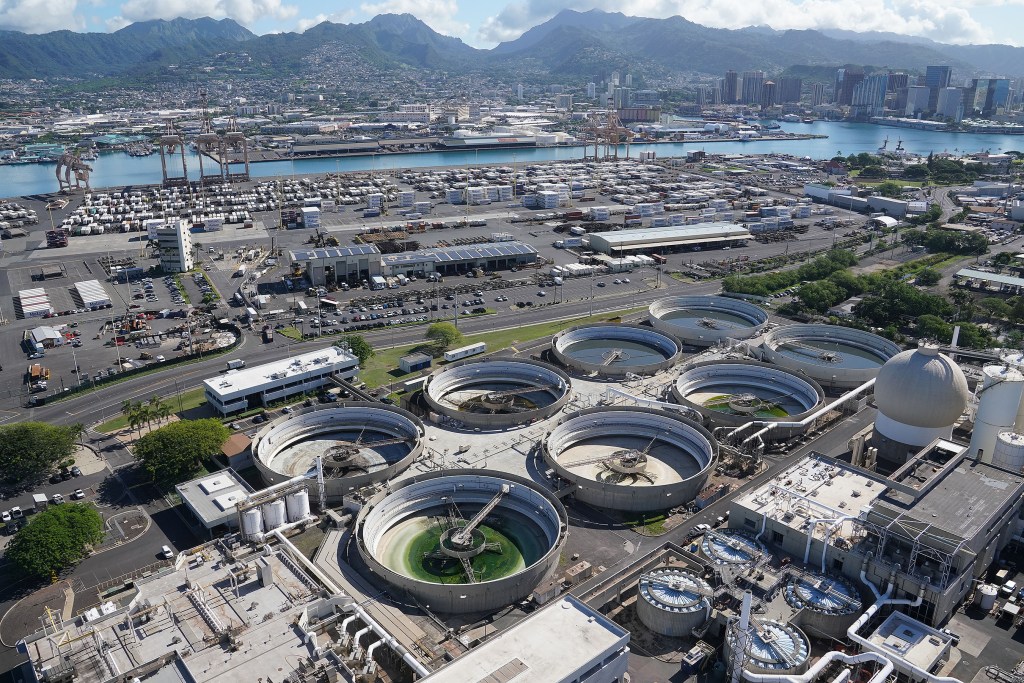
In 2010, then Mayor Mufi Hannemann signed the EPA Consent Decree, requiring the upgrade to secondary treatment for Honolulu’s two largest wastewater treatment plants. The remaining obligations of this Consent Decree have necessitated a $2.5 billion upgrade to the Sand Island Wastewater Treatment Plant.

Initially envisioned as a self-sustaining system, the City’s Department of Environmental Services is now asking ratepayers to shoulder a 115% increase in fees, but to do so — without exploring smarter funding alternatives — is a disservice to our residents.
Let’s be honest about how we got here: The failure of past administrations to plan to meet these requirements, have backed us into a corner.
This proposal isn’t just about today’s needs. It’s a bill coming due — not for what we’re building now, but for what wasn’t addressed years ago.
But that doesn’t mean the burden should fall squarely on the shoulders of today’s working families.
We believe there’s a better way forward — one that ensures long-term fiscal health, meets federal mandates, and still honors our responsibility to protect residents from unnecessary financial harm.
A More Balanced Solution
Instead of asking ratepayers to absorb the full 115% increase over 10 years, we’re proposing a more strategic and balanced plan:
- Use visitor-generated revenue from the city’s new Oʻahu Tourism Impact Fee to support sewer upgrades.
- Inject $30.9 million in upfront capital to stabilize the Sewer Fund and strengthen liquidity.
Gradual, predictable rate increases — not a steep hike — to ease the impact on households and businesses. - Reduce reliance on future debt by up to $783.5 million, resulting in lower long-term borrowing costs and millions of dollars saved for taxpayers.
- Protect and potentially improve our bond ratings, which directly impact the affordability of all capital projects, not just those related to sewers.
This plan isn’t just financial gymnastics — it’s about protecting the fiscal health of our city while safeguarding the financial well-being of residents. And it’s not just about pipes and pump stations — it’s about building trust in how we govern.
Why Bond Ratings Matter
A city’s bond rating is like a credit score. The higher our rating, the lower the cost of borrowing money. And when it comes to massive infrastructure investments — like replacing century-old sewer lines — those savings are no small thing.
By reducing the need for expensive borrowing, our plan avoids burdening future generations with unnecessary interest costs. Every dollar we save in bond payments is a dollar we can reinvest into community services, affordable housing, public safety, and climate resilience.
Moreover, demonstrating financial discipline through this balanced approach sends a strong signal to credit agencies: Honolulu is serious about its commitments and capable of managing its finances with integrity. That translates into lower risk, better ratings, and long-term savings for everyone.
Everyone On Oʻahu Has a Stake
Some may assume that if they live in communities with a private wastewater system or with home septic systems, they won’t be affected by city sewer upgrades. But that simply isn’t true.
Oʻahu is one interconnected island. Whether you’re directly tied to the municipal sewer grid or not, the environmental protection these systems provide benefits us all.
City-run wastewater systems handle a significant share of the island’s sewage, and their failure — due to underinvestment or inadequate maintenance — can result in raw sewage spills, environmental contamination, beach closures, and long-term harm to our ocean ecosystems.
And in a state that relies heavily on tourism and access to clean water, even isolated failures can have a ripple effect across communities and industries. Protecting our water quality and marine environment isn’t a luxury — it’s a necessity. Our sewer system is one of our first lines of defense.
This is also about equity. Private systems often serve higher-income communities or luxury developments.
The public system, meanwhile, is the backbone for thousands of working-class households, small businesses, and aging neighborhoods. Ensuring it remains functional, safe, and compliant with federal regulations is a moral and environmental imperative.
Stronger Infrastructure Benefits All
The proposed solution isn’t about sidestepping responsibility — it’s about sharing it wisely.
Yes, ratepayers should contribute. But so should visitors who rely on our public infrastructure while vacationing here. And so should the city itself, through general fund support and sound financial management.
We’re not dodging tough choices. We’re making the responsible ones.
This proposal allows us to maintain progress on our federally mandated consent decrees, avoid the devastating costs of noncompliance, and deliver cleaner water and safer communities for all.
At the same time, we are protecting working families from unaffordable shocks and ensuring that rate hikes are gradual, measured, and supported by sound fiscal planning.
What Responsible Leadership Looks Like
Leadership is not just about cutting ribbons or issuing press releases — it’s about making difficult, strategic choices that will pay off not just next year, but for the next generation.
By diversifying funding sources, reducing our debt load, and protecting ratepayers from unpredictable spikes, this plan puts Oʻahu on a firmer financial and environmental footing.
And it does so in a manner that is fair, forward-looking, and rooted in shared responsibility.
My colleagues at the City Council as well as the City administration must recognize that we are working under a set of unique and extreme circumstances, and failure to act accordingly — whether consciously or unconsciously — is a decision.
 Sign up for our FREE morning newsletter and face each day more informed.
Community Voices aims to encourage broad discussion on many topics of community interest. It’s kind of a cross between Letters to the Editor and op-eds. This is your space to talk about important issues or interesting people who are making a difference in our world. Column lengths should be no more than 800 words and we need a photo of the author and a bio. We welcome video commentary and other multimedia formats. Send to news@civilbeat.org. The opinions and information expressed in Community Voices are solely those of the authors and not Civil Beat.

Local reporting when you need it most
Support timely, accurate, independent journalism.
Honolulu Civil Beat is a nonprofit organization, and your donation helps us produce local reporting that serves all of Hawaii.
ContributeAbout the Author