Why DHHL Deserves Support, Not Scrutiny
A Hawaiʻi lawmaker says the state needs to honor the commitment to Native Hawaiian housing even if it’s costly.
May 27, 2025 · 2 min read

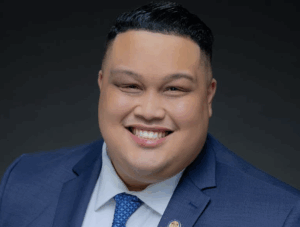
About the Author
The Native Hawaiian Housing Block Grant program exists because of an obligation. The Department of Hawaiian Home Lands was established by the Hawaiian Homes Commission Act of 1920, a congressional act rooted in the recognition that Native Hawaiians were — and remain — entitled to the land, resources, and support necessary to restore their well-being and self-determination.

When we frame support for DHHL as something that must be “earned,” we ignore history, law and justice.
That’s not to say the department hasn’t faced internal challenges. DHHL has publicly acknowledged delays in spending funds and is actively working to correct them.
But let’s be clear: slow expenditure is not mismanagement — it’s often the product of complex permitting, procurement barriers and chronic underfunding that have made timely delivery difficult for decades.
In fact, the department is now moving with greater urgency and transparency than ever before. The passage of Act 279 and recent strategic plans signal a stronger commitment to progress and accountability.
We must also remember that the demand has never gone away. More than 28,000 Native Hawaiian families remain on the waitlist for homestead lands — thousands of them in urgent need of housing. Any delay in federal support risks pushing those families further into crisis.
With rising costs, shrinking inventory and generational inequities, the stakes are simply too high to treat this as a matter of bureaucratic performance. Instead of questioning whether DHHL “deserves” its funding, we should be asking how we can strengthen it. That includes streamlining interagency collaboration, supporting housing infrastructure and holding the federal government accountable to its trust obligation — not just in principle, but in practice.
This is not a Native Hawaiian issue alone. It is a Hawai‘i issue. It is about honoring our commitments, recognizing the historical injustices that shaped today’s housing crisis, and standing in solidarity with a department charged with a sacred kuleana.
We should not be tearing DHHL down — we should be building it up. And that means defending its funding, its mission, and most importantly, the lāhui it was created to serve.
 Sign up for our FREE morning newsletter and face each day more informed.
Community Voices aims to encourage broad discussion on many topics of community interest. It’s kind of a cross between Letters to the Editor and op-eds. This is your space to talk about important issues or interesting people who are making a difference in our world. Column lengths should be no more than 800 words and we need a photo of the author and a bio. We welcome video commentary and other multimedia formats. Send to news@civilbeat.org. The opinions and information expressed in Community Voices are solely those of the authors and not Civil Beat.
Read this next:
Local reporting when you need it most
Support timely, accurate, independent journalism.
Honolulu Civil Beat is a nonprofit organization, and your donation helps us produce local reporting that serves all of Hawaii.
ContributeAbout the Author