Why Climate Change Is A Public Health Emergency
A survivor of the Lahaina wildfire says the tragedy was not an isolated incident.
June 5, 2025 · 5 min read


About the Author

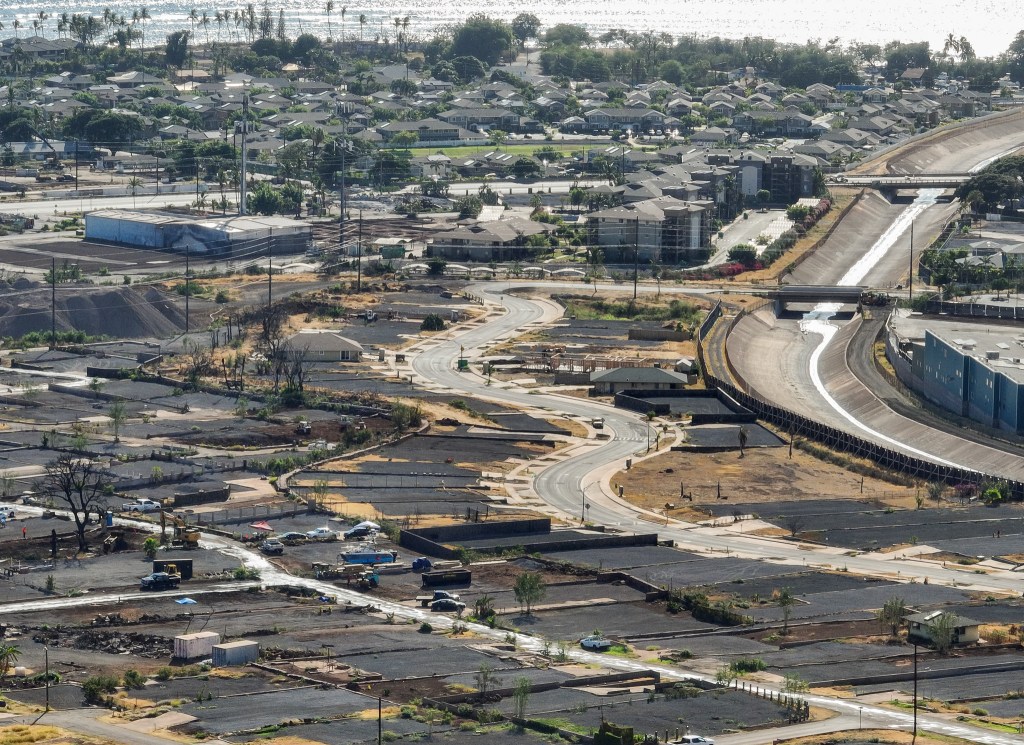
On Aug. 8, 2023, I lost my home in the Lahaina wildfire. It was a terrifying, heartbreaking day that changed my life and the lives of thousands of others.

In just a few hours, fire swept through our historic town, taking more than 100 lives, displacing families, and leaving us to breathe in toxic ash as we grieved the unthinkable.
This was not a freak event. It was a climate disaster, fueled by rising temperatures, dry conditions and high winds. And it was, above all, a public health crisis.
That is why Hawaiʻi’s recent declaration of climate change as a public health emergency matters so much to me.
Senate Concurrent Resolution 111, passed on April 21, makes Hawaiʻi the first state to formally recognize what many of us already know: climate change is not just an environmental issue. It is a direct and growing threat to our physical, mental and emotional well-being.
The resolution urges state agencies to integrate climate-related health risks into their planning and response efforts. It is an important step toward protecting our communities before the next disaster strikes.
Living With Reality
I am part of a coalition of doctors, nurses, public health researchers, students and community members who are working to make sure this truth is acknowledged and acted on. Many of us live and work in the communities most affected.
Some provided emergency care in the wake of the wildfire, treating burns and respiratory illness, delivering inhalers, and comforting children waking from night terrors. Others, like me, have carried the trauma into our daily lives, struggling to rebuild and to breathe.
According to the 2024 Yale Climate Opinion Maps, only 51% of Hawaiʻi residents believe climate change will harm them personally. That number does not reflect the reality I have lived. The health effects of climate change are already here — in the air, the water and the rising anxiety so many of us feel.
In the aftermath of the 2023 Maui wildfires, 46% of surveyed residents reported a decline in their overall health. Emergency rooms saw spikes in respiratory illness, and mental health providers reported a surge in cases of anxiety, grief and trauma-related symptoms.
These are not projections. They are the lived consequences of a climate-fueled disaster.
From heat waves to poor air quality, from the spread of vector borne diseases to the rising toll on mental health, the impacts are widespread and unequal. Native Hawaiian communities, children, kūpuna and people with chronic illness already burdened by health disparities face the greatest risks.
And the threats go beyond physical harm. In Hawaiʻi, losing land means losing ʻāina, our source of identity, culture and spiritual connection. When homes are destroyed and communities are scattered, we do not just lose shelter. We lose meaning, memory and our sense of place.
Across Hawaiʻi, the hottest neighborhoods are often the poorest, where residents face impossible choices between cooling their homes and paying rent. On Oʻahu, urban heat islands intensify these risks in dense city areas, while some rural communities also face limited access and heightened vulnerability.
On neighbor islands, and in parts of rural Oʻahu, families live in fire-prone areas with only one road in or out. When disaster strikes, clean water, medical supplies and care are suddenly out of reach. And with Hawaiʻi’s ports and airports sitting at sea level, a future hurricane or flood could cut off vital supplies.
We cannot wait for another crisis to show us how unprepared we are. This declaration is not about assigning blame. It is a call to action. It asks every agency, from transportation to housing to education, to look closely at how climate change intersects with their mission and respond with urgency.
What would it mean to treat climate change as the public health crisis it is?
It might look like shaded bus stops to prevent heatstroke. Schools that cancel sports practices during extreme heat. Backup power systems to keep medication cold, especially for patients who rely on insulin and other temperature sensitive treatments. Stockpiles of essential supplies, including medications, and access to emergency shelters with basic medical care.
Clear evacuation routes, along with clear and accessible instructions for what to do when danger strikes, supported by multiple reliable emergency communication systems. And culturally informed care that addresses the trauma of displacement and loss.
A Senate resolution recognizes climate change is not just an environmental issue.
Some may say we can’t afford to focus on climate change while also dealing with crises like homelessness, addiction or housing affordability.
But the truth is, climate change makes all of those challenges harder to solve. It places even more pressure on already strained systems, displacing families, disrupting services, and deepening inequality. It does not take attention away from these problems. It intensifies them.
After the fire, I found healing through service, community and purpose. I also found myself advocating for policies that would help others avoid the same fate. This resolution gives me hope. It says: We see you, we hear you, and we are preparing for the world we now live in.
Caring for one another means looking ahead. It means seeing climate change not just as an environmental issue but as a human one. And it means building a future where health, dignity, and resilience are protected for all of us and for the generations to come.
This work is already beginning in our communities, but it needs all of us. Speak up. Get involved. Let decision makers know that protecting public health in a changing climate must be a priority.
 Sign up for our FREE morning newsletter and face each day more informed.
Community Voices aims to encourage broad discussion on many topics of community interest. It’s kind of a cross between Letters to the Editor and op-eds. This is your space to talk about important issues or interesting people who are making a difference in our world. Column lengths should be no more than 800 words and we need a photo of the author and a bio. We welcome video commentary and other multimedia formats. Send to news@civilbeat.org. The opinions and information expressed in Community Voices are solely those of the authors and not Civil Beat.
Read this next:

Local reporting when you need it most
Support timely, accurate, independent journalism.
Honolulu Civil Beat is a nonprofit organization, and your donation helps us produce local reporting that serves all of Hawaii.
ContributeAbout the Author