Hawaiʻi Cannot Wait. It's Time To Raise The Minimum Wage
Scheduled increases in the minimum wage will come too late now that Congress has passed Trump’s tax and budget bill.
July 6, 2025 · 3 min read

About the Author

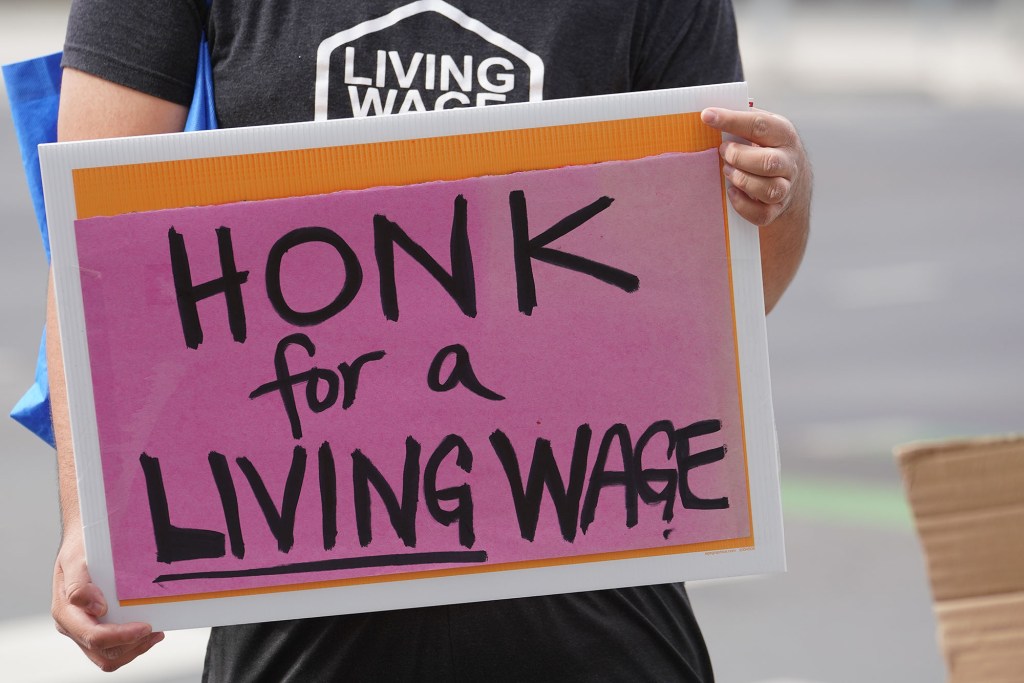
Hawaiʻi stands at a crossroads. With the recent passage of the so-called “big beautiful bill,” coupled with federal cutbacks and rising tariffs, the burden on local families will only grow heavier. We can no longer ignore the painfully obvious truth: Hawaiʻi’s minimum wage is far too low to support the basic dignity of work and the cost of living in our islands.

Even with scheduled increases, the current minimum wage leaves tens of thousands of workers struggling to make ends meet. The math is impossible. Rents in Hawaiʻi rival — and often surpass — those of West Coast cities like Seattle and San Francisco, yet our wage floor is far behind.
If we adjusted for cost of living, Hawaiʻi’s minimum wage today should be in the range of $25 to $27 per hour, and even higher if compared to cities like Denver and Portland.
We cannot fix Hawaiʻi’s housing crisis by building alone. While we absolutely must increase our housing supply, the crisis is equally an income problem. Even if we could build 50,000 new units tomorrow, many residents still could not afford them on current wages. Raising the minimum wage is a faster, more efficient way to stabilize working families, reduce homelessness, and ease the strain on public assistance programs.
Of course, higher wages have consequences. Some businesses, particularly smaller ones, will struggle to absorb higher labor costs. But higher wages also mean more customers with money to spend, a healthier economy and more resilient communities. The state and counties can play a role in helping small businesses adjust, offering transition support or targeted incentives.
What is the alternative? The status quo means thousands of Hawaiʻi residents living paycheck to paycheck, one rent hike away from homelessness. It means children growing up hungry, parents forced to work multiple jobs, and families unable to save for the future. It means a community where the promise of hard work delivering a fair wage is broken.
A predictable, phased-in increase — for example, moving to $25 in 2025 dollars, indexed to inflation (4.5%) thereafter by 2030 the minimum wage would be $31 — an aggressive but reasonable path forward. Research shows moderate, steady wage increases generally do not harm local economies. Instead, they reduce poverty, lower reliance on public assistance, and build healthier, more equitable communities.
Ultimately, raising the minimum wage is about values. It is about preserving the spirit of aloha by ensuring that no one working full-time in Hawaiʻi lives in poverty. It is about giving our residents a fighting chance to stay rooted in the place they love, rather than being priced out.
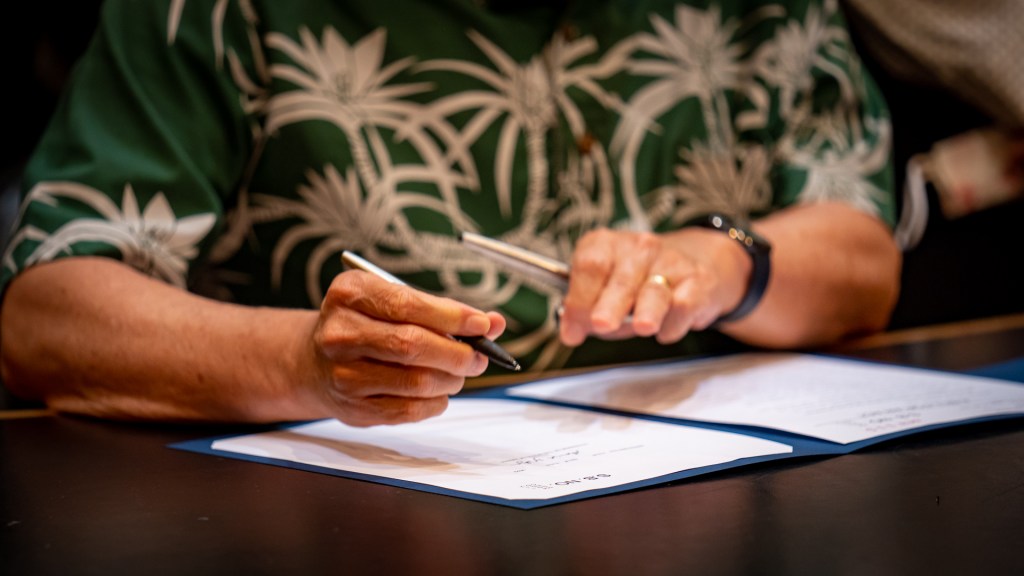
The time for leadership by the governor and Legislature is now to solve this inequality. The disparity between the beneficiaries of the big beautiful bill and working family and individual is unconscionable.
 Sign up for our FREE morning newsletter and face each day more informed.
Community Voices aims to encourage broad discussion on many topics of community interest. It’s kind of a cross between Letters to the Editor and op-eds. This is your space to talk about important issues or interesting people who are making a difference in our world. Column lengths should be no more than 800 words and we need a photo of the author and a bio. We welcome video commentary and other multimedia formats. Send to news@civilbeat.org. The opinions and information expressed in Community Voices are solely those of the authors and not Civil Beat.

Local reporting when you need it most
Support timely, accurate, independent journalism.
Honolulu Civil Beat is a nonprofit organization, and your donation helps us produce local reporting that serves all of Hawaii.
ContributeAbout the Author