Lee Cataluna: Knowing A Place And Its People Is Critical To Protecting It
When disaster strikes, we’re often left to wonder why people don’t evacuate or take precautions. But we’re not the ones who live there.
July 13, 2025 · 5 min read

About the Author

Next month will make two years since the tragic Lahaina fire. We’ve all heard stories of what it was like from those who survived and have, to some extent, imagined what happened to those who died. We’ve heard community leaders say, “Never again.” We probably made that pledge ourselves.
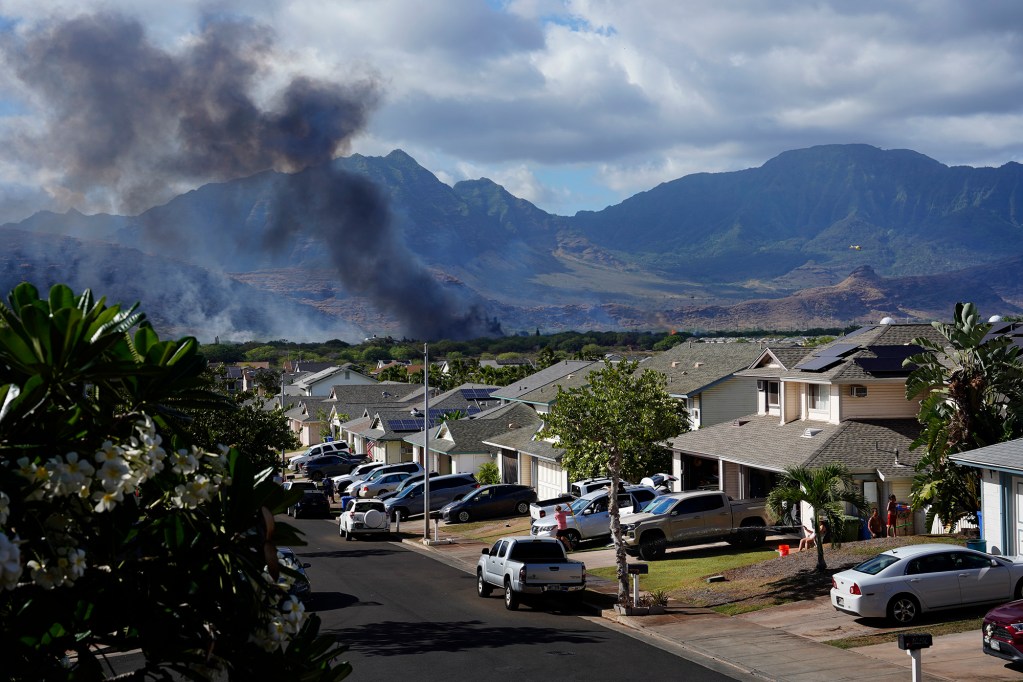
Yet, when there was a large brush fire in Māʻili this week, some people chose not to evacuate.
You’d think that after being inundated with stories about how people couldn’t get out of Lahaina in time, everyone in the vicinity of a fire would grab their go-bags and leave without having to be convinced by an official evacuation order.
But the Westside of Oʻahu is a community unto itself, with its own sense of rules and best practices. Some didn’t evacuate because they worried about looters coming around and taking all their stuff while they were gone. Some just felt, from years of experience, that the that the evacuation area was drawn too wide out of an abundance of caution and that the flames would not reach their homes. Some didn’t leave because they were worried about their animals.
This points to a truth about any community in Hawaiʻi, and probably in all the world: you have to understand it to protect it. You have to be in it to help.
All this brings us to the heartbreaking situation in Kerr County, Texas, where more than 100 people lost their lives in a raging flood. No one could have stopped those waters, but someone could have warned all those people to get to higher ground.
According to reporting in The New York Times, up to a few weeks ago that someone was Paul Yura, a meteorologist who had been with the National Weather Service in that area for 30 years. Yura accepted early retirement when the Trump administration was busy slashing jobs and offering buyouts and retirement packages for hundreds of thousands of federal employees. “Accepted early retirement” is code for “left before he got fired in the mayhem that has been wrought upon federally funded science in this country.”
Yura was the guy who bridged the science-heavy communication from the National Weather Service to the practical information that people needed in a place he knew very well. Check out this news story from April of this year where a TV weatherman at a local station in Texas describes Yura’s retirement and just about eulogizes Yura’s impact on the safety of the community.
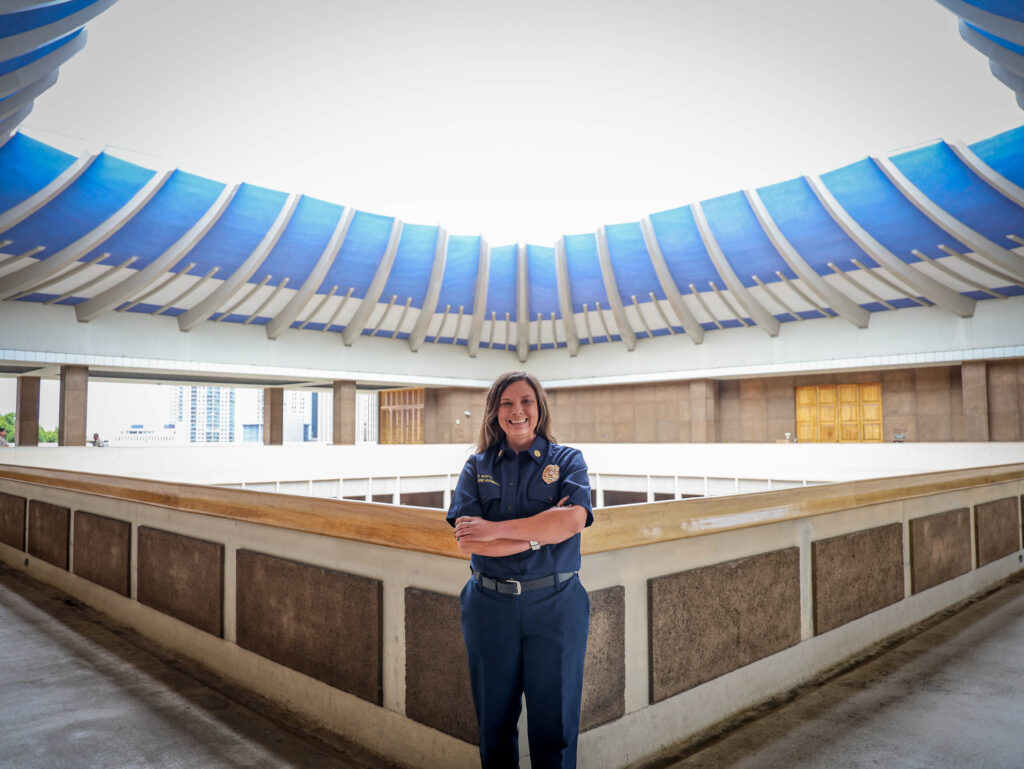
Here at home, the new State Fire Marshal Dori Booth has been on the scene of the recent Westside brushfires — a good sign that she will prioritize getting to know the islands’ specific and sometimes idiosyncratic topography, wind patterns, traffic routes, housing tracts and the values and practices of people in different communities. Her years of experience in Arizona and degrees in fire science are crucial, but just as important is knowing the place and the people.
One quote from news coverage of her first official day on the job was curious though:
“We will now have an office and someone in charge for 40 hours a week that’s able to go and focus on the issues that are prevalent on the state level and solve those problems.”
That was a statement from a member of the State Fire Council, and I get that it was meant to be positive, but if the fire marshal is pulling a 9 to 5, 40-hour week, that’s a big mistake waiting to happen. Sen. Ted Cruz and former Maui Emergency Management Agency head Herman Andaya could tell you, things don’t go bad when you’re sitting at your desk at work ready to answer the call. They fall apart when you’re out of town.
Our kūpuna and their kūpuna never took days off or out-of-town vacations. That stuff was saved for retirement. Even when they were off the clock, they knew to jump at a moment’s notice if there was a fire, flood or storm. They knew the shape of the land, the sound of the wind, all the elements that contribute to a natural disaster. They knew what to check and who to tell. They relied on government officials and they also took care of their own and their neighbors.
They knew to make and distribute sand bags, cut a fire break, check on elders who needed help getting to safety, clear storm drains before the rains came, check upstream gauges, bring blankets to the high school gym, put coffee in thermos containers for the first responders.
Things are so different now. We are so disconnected from the natural world yet more at the mercy of catastrophic weather events and natural disasters. Hawaiʻi now has a wildfire season when we used to only have dry season and rainy season and mango season. We talk about years having an “average” number of hurricanes, and that average is not zero hurricanes.
We’re going to need our own Paul Yuras to protect us, those learned and experienced people who know a place and its people, who know what to in a crisis, who don’t like to leave town much, will answer a text in the middle of the night, and who don’t plan on taking early retirement come what may.
 Sign up for our FREE morning newsletter and face each day more informed.
Local reporting when you need it most
Support timely, accurate, independent journalism.
Honolulu Civil Beat is a nonprofit organization, and your donation helps us produce local reporting that serves all of Hawaii.
ContributeAbout the Author