Media Access To Police Scanners Essential For Public Safety
Law enforcement and journalists share the same goals during a crisis — protect lives, preserve safety, maintain public trust.
July 22, 2025 · 4 min read

About the Author

Across the country, local newsrooms act as early warning systems for the communities they serve. In Hawaiʻi, this role is especially critical. Geography, weather, and limited infrastructure mean that when something goes wrong, timely and accurate information becomes a lifeline, not a luxury.

That’s why the recent closure of police scanner access to media outlets in Hawaiʻi is a setback for public safety. Without real-time access to public safety scanner traffic, journalists are delayed in informing the public — and in emergencies, every minute counts.
Why Scanner Access Matters
Police, fire, and EMS radio traffic often indicates the first alert of a major incident: a fast-moving brush fire, a multi-car crash, a missing kupuna or child, or a hazardous materials spill.
Journalists don’t simply broadcast what they hear — they use scanner traffic to mobilize teams, verify facts, and prepare accurate bulletins. This head start can help families avoid danger, reroute around closures, or assist in locating someone in distress.
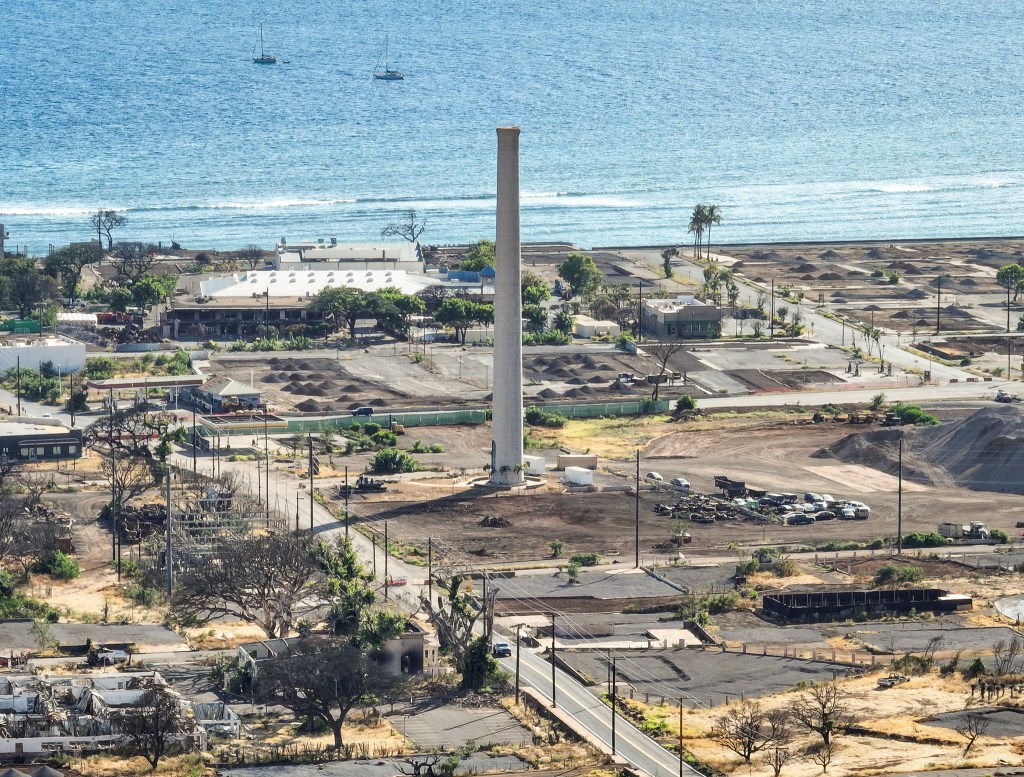
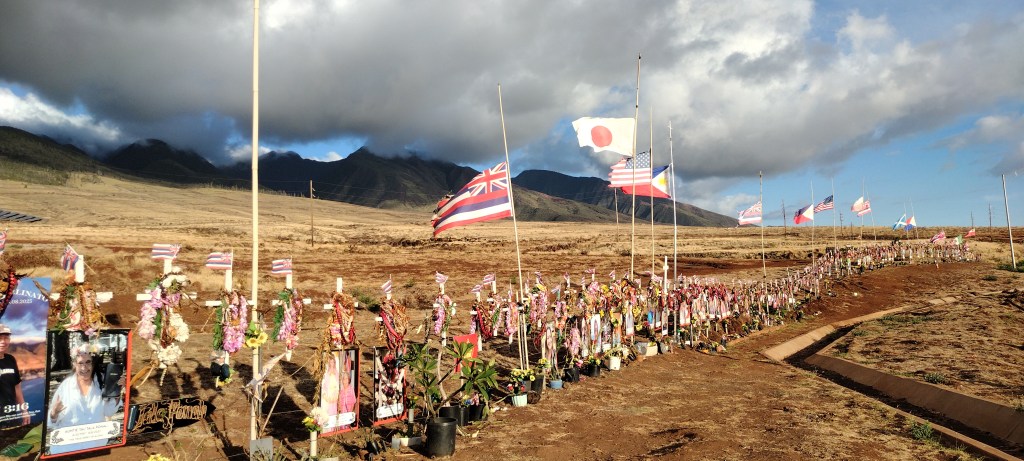
Recent disasters have shown how fragmented communication can fuel confusion. During the 2023 Maui wildfires, rapidly changing conditions and delayed official updates left the public uncertain. While many factors contributed to that tragedy, one lesson stands out — fast, redundant information channels save lives. Scanner access is one of those vital channels.
Responsible Reporting Is The Norm
Hawaiʻi broadcasters understand the sensitivity of public-safety communications. Journalists are trained to verify and contextualize scanner information, and to withhold operational details until law enforcement confirms it’s safe to share.
Newsrooms routinely avoid airing tactical positions, officer identities, or victim names before families are notified. Far from being reckless, most local journalists err on the side of caution — sometimes frustrating audiences who want more, faster.
Importantly, law enforcement and media share the same goals during a crisis — protect lives, preserve safety, and maintain public trust. Treating media as partners acknowledges their role in reaching hundreds of thousands of residents across islands — via TV, radio, websites, streaming push alerts and social media.
Addressing Law Enforcement Concerns
Concerns about officer safety, tactical security, and misinformation are valid and solvable. The City and County of Honolulu could consider several policy options:
- Credentialed access for vetted news organizations under user agreements.
- Tiered talk groups that keep investigative, tactical and transmissions of personally identifiable information (PII) channels encrypted while allowing access to dispatch and incident-management traffic.
- Joint training between HPD and media to clarify boundaries and best practices.
- Audit logs and revocation policies to ensure accountability and responsible use.
These solutions balance operational control with the need for situational awareness that benefits the public without compromising safety.
Transparency Builds Trust
When official channels go silent, rumors fill the void. Social media can spread half-truths in seconds, creating unnecessary panic or undermining confidence in authorities. Shared access to basic incident information allows journalists to confirm or debunk misinformation quickly.
In our tight-knit communities, that trust is invaluable. People are more likely to follow evacuation orders, heed road closures, or avoid danger when information comes from consistent, credible sources.
Support Bill 46
The Hawaiʻi Association of Broadcasters urges residents, organizations, and civic leaders to support Honolulu City Council Bill 46, which has a committee hearing Thursday. This measure would enable structured collaboration between HPD and media to restore timely access to public-safety information while preserving security.
This isn’t about curiosity, it’s about the public’s right to know and the need to keep our communities safe.
Submitting testimony is easy. Visit the Honolulu City Council’s online portal, find Bill 46, and share why rapid, reliable information matters to you.
Personal stories are powerful — the time a radio alert helped you avoid a flooded road, a wildfire update that let you warn a loved one, or an Amber/Maile alert mobilized your neighborhood. Decision-makers listen when real people speak up.
Let’s Move Forward Together
Hawaiʻi’s strength lies in its sense of community. Broadcasters, first responders, and residents are most effective when they work as a team. Reopening scanner access under responsible guidelines would restore a vital tool, improve situational awareness, and reinforce the trust that underpins public safety.
Let’s move forward together for safety, transparency, and the people of Hawaiʻi.
 Sign up for our FREE morning newsletter and face each day more informed.
Community Voices aims to encourage broad discussion on many topics of community interest. It’s kind of a cross between Letters to the Editor and op-eds. This is your space to talk about important issues or interesting people who are making a difference in our world. Column lengths should be no more than 800 words and we need a photo of the author and a bio. We welcome video commentary and other multimedia formats. Send to news@civilbeat.org. The opinions and information expressed in Community Voices are solely those of the authors and not Civil Beat.
Read this next:

Local reporting when you need it most
Support timely, accurate, independent journalism.
Honolulu Civil Beat is a nonprofit organization, and your donation helps us produce local reporting that serves all of Hawaii.
ContributeAbout the Author