Preparing Hawai‘i For The Impacts Of Trump’s Budget Bill
By coming together across public, private and community sectors, we can rebuild a more resilient social safety net.
July 14, 2025 · 5 min read


About the Authors


On July 3, Congress passed the sweeping “One Big Beautiful Bill,” and President Trump signed it into law on July 4. While the legislation delivers tax breaks, primarily for the wealthy, and increases defense spending, it comes at a staggering cost: the dismantling of the American social safety net.

In Hawaiʻi — where 30% of households, or approximately 431,000 people, are chronically food-insecure — the consequences will be immediate and devastating. This federal budget slashes funding for SNAP and Medicaid, two programs foundational to health, stability, and opportunity in Hawai’i.
And Americans know it: a June Pew Research Center poll found only 29% of U.S. adults support the bill, while 49% oppose it, and 21% remain unsure. A Washington Post-Ipsos poll confirmed these findings, with 42% opposed and just 23% in support.
Among respondents familiar with the bill’s details — especially the cuts to SNAP and Medicaid — opposition rises to nearly two-thirds. With the bill now law, Hawai‘i must act quickly to mitigate the damage and protect the well-being of our residents.
Frontline Defense Against Hunger
In federal fiscal year 2024, SNAP delivered $731 million in grocery-buying power to more than 161,000 residents. That equates to 167 million meals — six times the number of meals provided by Hawai‘i’s food bank network.
SNAP’s reach and impact are unmatched. Without it, the food insecurity crisis here will deepen beyond what any nonprofit or charitable system can absorb.
Kūpuna and families with keiki are most at risk.
The bill imposes harsh new work requirements on older adults and parents.
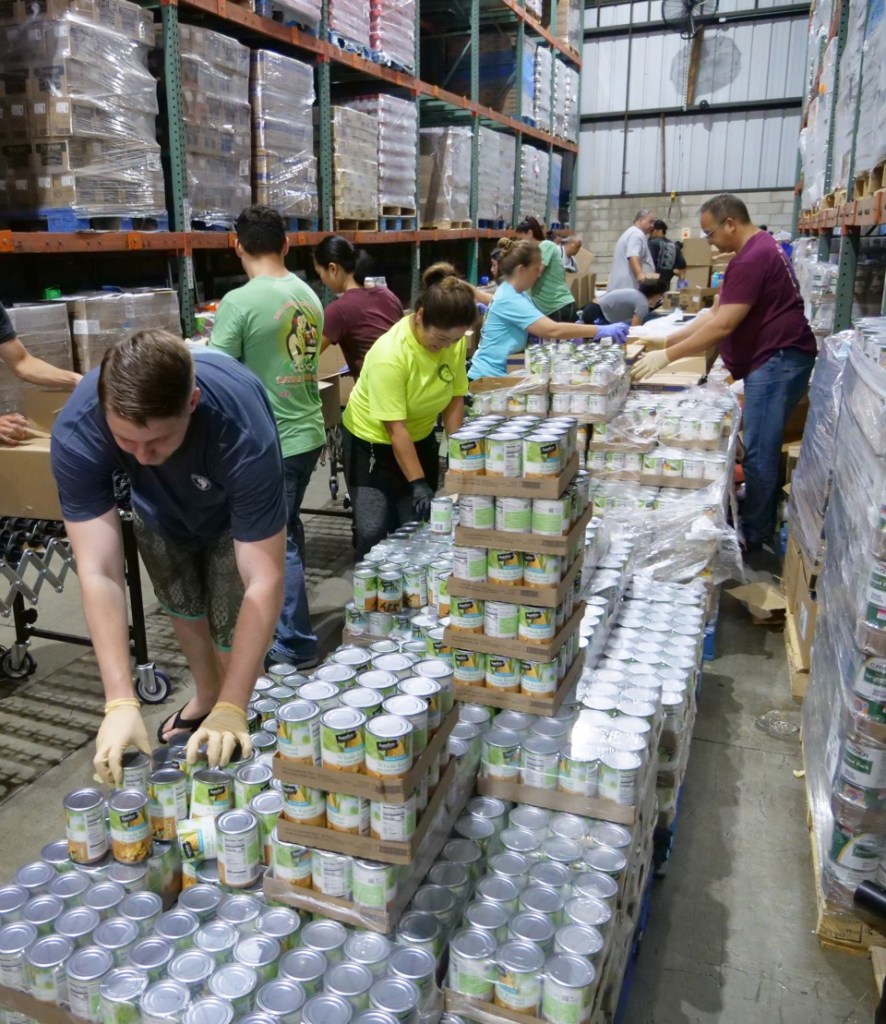
These are not idle individuals — they are working, caregiving, or managing serious health conditions. Denying them access to food is both punitive and dangerous. The ripple effect is even more troubling: Children in SNAP households are automatically eligible for free school meals. When families lose SNAP, keiki lose food security at both the dinner table and the school breakfast and lunch.
Taxpayers Will Bear The Burden
The bill doesn’t just cut federal services — it shifts key costs to the states.
Due to federal error rate rules and administrative mandates, Hawai‘i could face $13 million in new annual administrative costs and more than $36 million in liability penalties. That’s nearly $50 million in state funds diverted from housing, education, and healthcare—at a time of intense fiscal pressure.
SNAP Is An Investment, Not A Handout
Every dollar spent on SNAP returns $1.73 to $1.84 in local economic activity. It supports farmers, grocers, school meal programs, and health providers. It reduces emergency food demand, helps prevent chronic disease, and keeps working families afloat. Gutting SNAP doesn’t save money — it shifts the cost to hospitals, clinics, and emergency food providers already stretched thin.
These are not numbers. These are lives.
“Without SNAP, you’d be talking to a dead man,” said Kawohi, 59, who is permanently injured and still awaiting disability assistance.
“If SNAP benefits go away, my wife and I would be homeless,” said Brandon, 43, a father of four living with bipolar disorder. They’re not alone. The estimated 431,000 food-insecure people in Hawai‘i include kūpuna on fixed incomes, children in low-income households, and neighbors working multiple jobs just to survive.
In addition to unprecedented cuts to SNAP and Medicaid, the Trump administration’s new budget slashes funding for scientific research, veterans, climate change adaptation and mitigation, and weather forecasting — critical tools for protecting public health and safety.
This simultaneous divestment from both social welfare and climate change resilience compounds systemic risk, leaving communities more vulnerable to the accelerating impacts of global environmental change.
What Hawai‘i Must Do Now
To prepare for the fall-out, we must take immediate and coordinated action:
- State and county policymakers must immediately allocate emergency funding to expand food access programs, including school meals, senior nutrition, and food banks.
- Hawai‘i’s Department of Human Services should launch a public information campaign to help kūpuna and low-income residents understand the new SNAP rules, maintain eligibility, and access support services.
- Community organizations, schools, and health centers must coordinate efforts to address widening gaps in nutrition, healthcare, and family support.
- Local businesses and philanthropic institutions should be mobilized to seed a statewide emergency food relief and housing stability fund.
- State support must continue for county- and state-level food system planning to align policies around food security, public health and nutrition, sustainable agriculture and economic resilience.
- Hawai‘i’s congressional delegation must fight to reverse or mitigate these cuts in future appropriations and budget negotiations.
- Residents of Hawai‘i must stay engaged, informed, and vocal — this is a defining moment for how we uphold aloha and care for one another.
This regressive law is signed, but Hawai‘i is not powerless. We can still choose to act with urgency, compassion, and foresight. By coming together across public, private, and community sectors, we can protect those most vulnerable and rebuild a more resilient social safety net.
Let’s rise to meet this moment — together.
Note: For those experiencing basic needs insecurity, you can find free or reduced-cost resources like food, housing, financial assistance, health care, and more at Findhelp.org.
 Sign up for our FREE morning newsletter and face each day more informed.
Community Voices aims to encourage broad discussion on many topics of community interest. It’s kind of a cross between Letters to the Editor and op-eds. This is your space to talk about important issues or interesting people who are making a difference in our world. Column lengths should be no more than 800 words and we need a photo of the author and a bio. We welcome video commentary and other multimedia formats. Send to news@civilbeat.org. The opinions and information expressed in Community Voices are solely those of the authors and not Civil Beat.
Read this next:

Local reporting when you need it most
Support timely, accurate, independent journalism.
Honolulu Civil Beat is a nonprofit organization, and your donation helps us produce local reporting that serves all of Hawaii.
ContributeAbout the Authors