Will Bailey: Puna's Long Wait After Lava Cut Off Pohoiki Boat Ramp
The state has finally started dredging, but it shouldn’t have taken this long to restore a heartbeat of the community.
July 9, 2025 · 5 min read

About the Author

The lava stopped. The people didn’t. But the help was a long time coming.

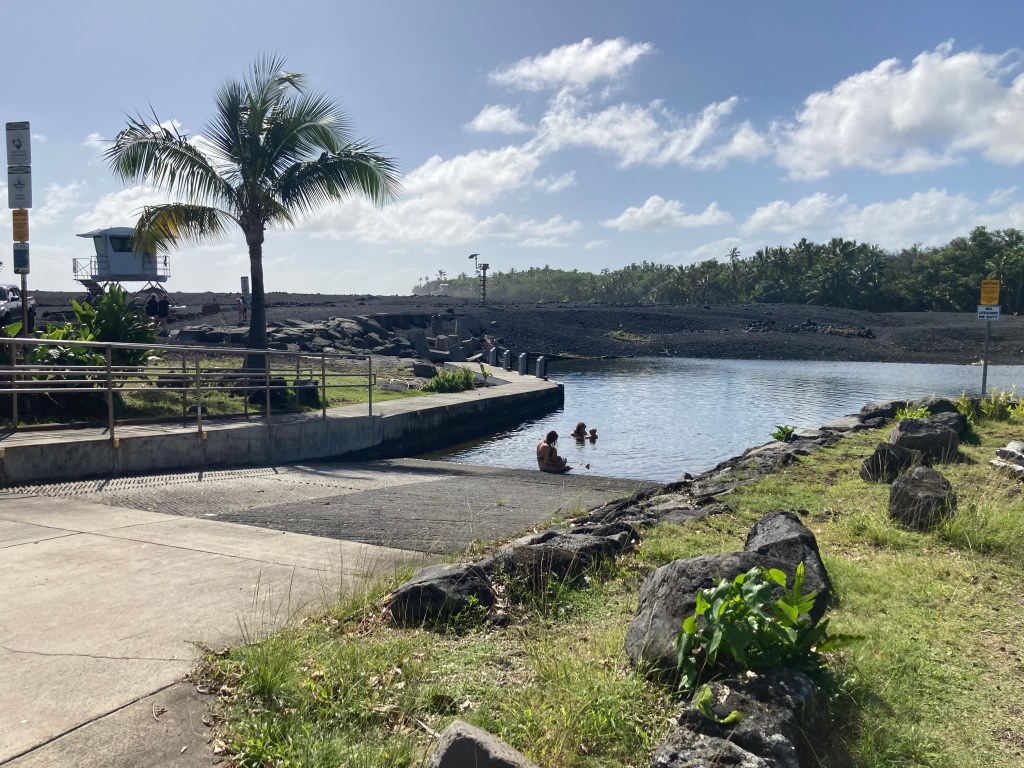
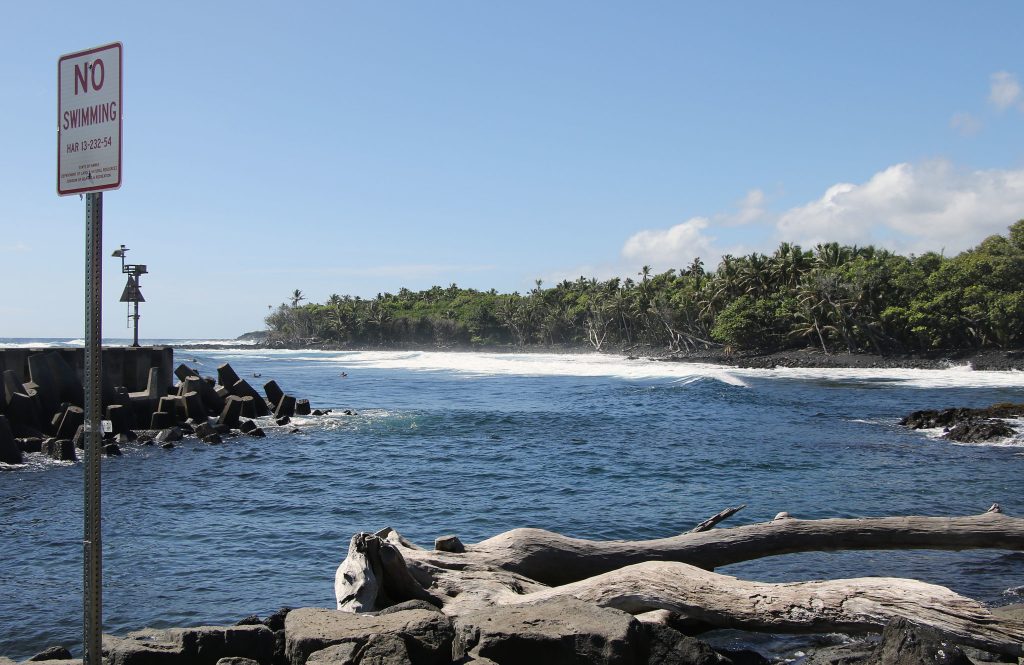
For years, the boat ramp at Pohoiki sat intact and unusable — a monument to stillness and stalling.
When the 2018 eruption of Kīlauea reshaped the land, it reshaped lives. Roads were cut. Shorelines erased. Homes lost. But Pohoiki, somehow, remained. The ramp is still there, salt-worn and weathered, just out of reach.
It should’ve been an easy win. Community members were ready to fix it themselves. The equipment was ready. The fishermen were ready. But permission never came. Only excuses. Liability. Jurisdiction. Paperwork.
Meanwhile, across the island, luxury homes climbed the cliffs. Oceanfront parcels changed hands. Roads were paved. Views were sold.
And here — where access meant food, culture, identity — it stayed locked behind gates of inaction.
While Pohoiki sat closed, influencers flew drones over freshly cooled lava. Tourists trespassed freely on sacred ground. The same agencies that barred us from clearing rock couldn’t, or wouldn’t, stop them.
Somehow, their indulgence was less of a liability than our self-sufficiency.
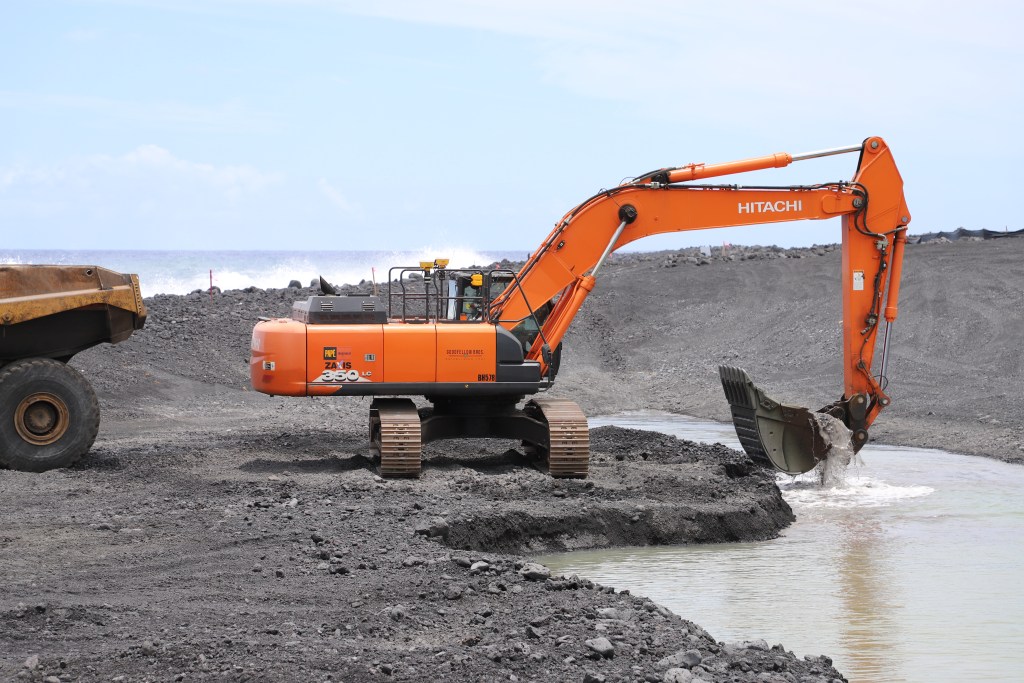
Now, belatedly, the state has moved. Crews are finally on site. There are press releases. There are photo ops.
State engineers say this is the largest dredging job the Division of Boating and Ocean Recreation has ever taken on, tens of thousands of cubic yards of rock and sand, shaping a 320-foot-wide channel where the entrance once stood open. One engineer was quoted in a press release as being “blown away” by the pace of progress.
It’s welcome news. But for many of us, the real shock isn’t how fast it’s moving — it’s how long they told us it couldn’t be done.
More Than Just A Ramp
This isn’t a story of government triumph. It’s a story of what was prevented, not what’s now permitted.
I grew up not far from here. My father was a fisherman. I know what this ramp meant — not just for the catch, but for the connection.
I was never much of a surfer, but my cousins were. I know how. We all knew how to respect the ocean, and how to gather what it gave.
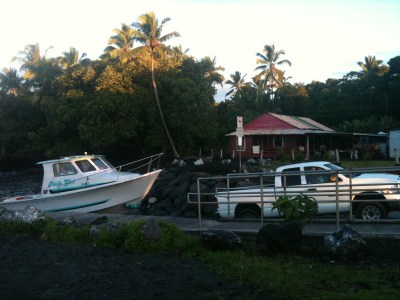
Pohoiki wasn’t just a ramp. It was a heartbeat. Boats launching fast. Uncles backing trailers from muscle memory. Kids swimming between runs, reading the surge. Somebody always yelling, not out of anger, just part of the rhythm.
Some folks might wonder why it matters so much. It’s just a ramp, right?
But anyone who’s lived here knows better. This isn’t about convenience. It’s about continuity.
And that heartbeat never really stopped, it just got quieter. Through all the silence, people kept pushing. The lawaiʻa — fishermen who see through generations — had already offered the plan.
“Not a shoreline study. Not a drone survey. You had to be in the boat,” said Ikaika Marzo.
Others remember Pohoiki not just as infrastructure, but as gathering place — a spot where the grill stayed warm, kids learned to read the ocean, and families met without needing to plan.
You learned when to move, when to wait. Nobody had to explain it.
The slap of hulls. The smell of salt and gas. Lunch warming on the side. It wasn’t a ceremony. It wasn’t a spectacle. It was just life, moving.
Traditions Put On Pause
For families raised in Puna, Pohoiki is more than infrastructure, it’s inheritance. Not the kind written into a will, but the kind passed from hand to hand, line to line, memory to memory.
It’s where grandfathers taught their moʻopuna to launch a boat without words. Where aunties waited with towels and rice crackers while the kids came back roasted and salty. Lessons were learned with skinned knees and lost slippers, not lectures.
And in the time it’s been closed, something subtle but important has slipped. Kids who should’ve grown up learning those rhythms had to stay on shore. Boats stayed on trailers.
Traditions paused. Connections stalled. And for what? A tangle of policy and photo ops.
Some people never gave up. Local crews stood by, ready. Community leaders kept pushing. Fishermen stayed vocal, even when it felt like shouting into the wind.
And yes — there are names worth saying. Some stood tall and spoke clearly when it counted. But they’d be the first to say: It wasn’t just them.
The credit belongs to everyone who kept showing up — offering equipment, sharing stories, telling the truth. The ones who worked behind the scenes and never asked for recognition.
It’s because of them we’re here. It’s because of them there’s still something to fight for.
There’s still time to do this right. But only if the state listens to the people who never left — the ones who know the tides, who still show up, who haven’t stopped hoping.
“It’s not about the past. It’s about the next generation,” says Daniel Kealoha.
We don’t need a ceremony. Just action. Just access.
We’re still here. Still watching.
Civil Beat’s coverage of environmental issues on Hawaiʻi island is supported in part by a grant from the Dorrance Family Foundation.
 Sign up for our FREE morning newsletter and face each day more informed.
Read this next:
Local reporting when you need it most
Support timely, accurate, independent journalism.
Honolulu Civil Beat is a nonprofit organization, and your donation helps us produce local reporting that serves all of Hawaii.
ContributeAbout the Author