Suddenly, My American Experience Has Hit Some Turbulence
Holding on to an old Chinese saying in a time of intense political partisanship,
October 19, 2025 · 4 min read

About the Author
There’s a Chinese saying, 同舟共济, crossing a river in the same boat. It means learning to row together, even when you disagree, because there’s only one boat, and the current is strong.
As a Chinese immigrant who arrived in Hawai‘i six years ago, I often joke that I’m a “Hawai‘i toddler.” Learning to speak the language, build credit, understand the Legislature, even grasp American politics.
I’m still wobbling through it all.
I remember the first time I whispered “mahalo,” or walked along the knife-edge ridges above the clouds and thought, this is my life? Sometimes I still can’t believe I left 30 years of my life in China behind and somehow began anew in this island paradise. I count “one, two, tree,” and laugh at myself for trying to sound local, knowing I never truly will.

Ideas showcases stories, opinion and analysis about Hawaiʻi, from the state’s sharpest thinkers, to stretch our collective thinking about a problem or an issue. Email news@civilbeat.org to submit an idea or an essay.
Back home, I never had the right to vote; I’d never even seen a ballot. Then came the 2020 presidential election. Life was chaotic, politics distant, a storm swirling far away while I farmed quietly on the North Shore of O’ahu, working the soil by day and washing dishes on weekends, until Covid hit. When the restaurant closed down, that brief dishwashing American dream vanished overnight.
But I still had everything that mattered. From growing apart from a marriage, taking nothing, to counting quarters for a $2 glass of noodles, from sleeping in a tent to a small cabin; every hardship felt like a tiny piece of freedom. In the middle of all that uncertainty, I found health, gratitude and a quiet happiness.
Little by little, life began to bloom:
- My first room.
- My first island beater car.
- A job in town.
- A homeowner.
The pandemic moved on, and then something opened my eyes. For the first 30 years of my life, every American I met was a Democrat. Then I went on a date and the man said he was a Republican. I was shocked. I didn’t know they even existed. I blurted, half-joking, “Why and how are you here? You’re like a penguin in Hawai‘i.”
The date went terribly, not because of his beliefs, but because I couldn’t stop interviewing him like a sociology project.
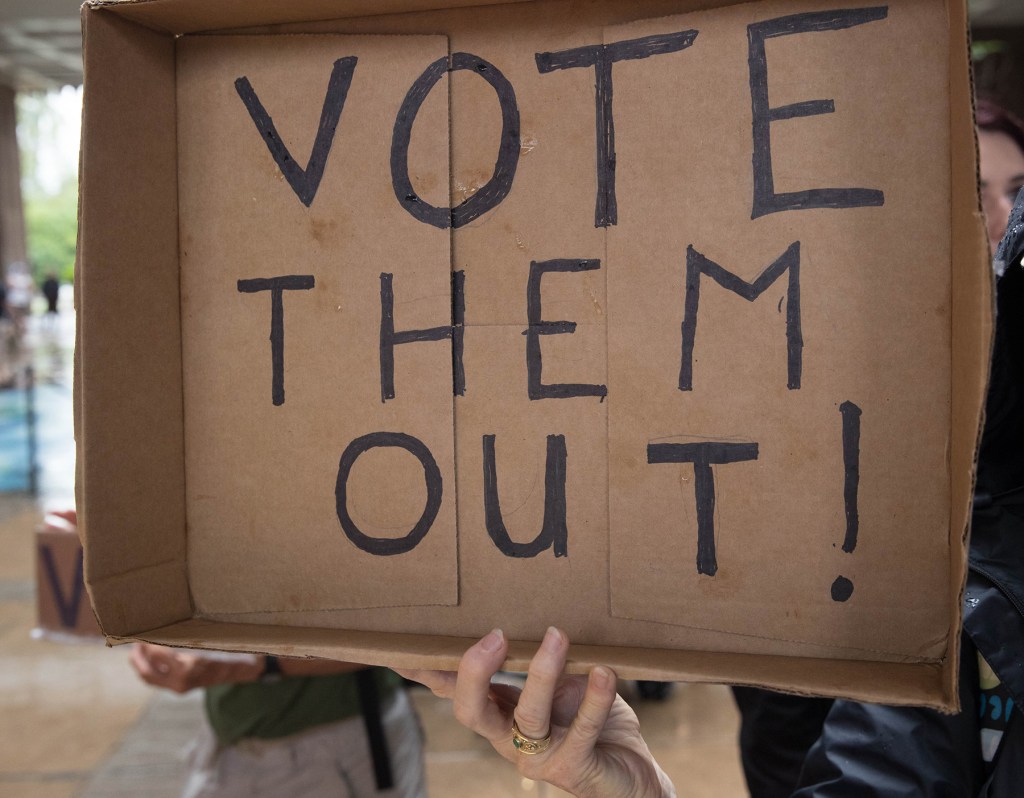
But it cracked something open for me: the world is wider, more layered, more complicated than I had ever known. Here, people have a voice in who represents them. Here, people hold different truths. Here, people breathe deeply, and they’re free to be different. At least, that’s what I assumed.
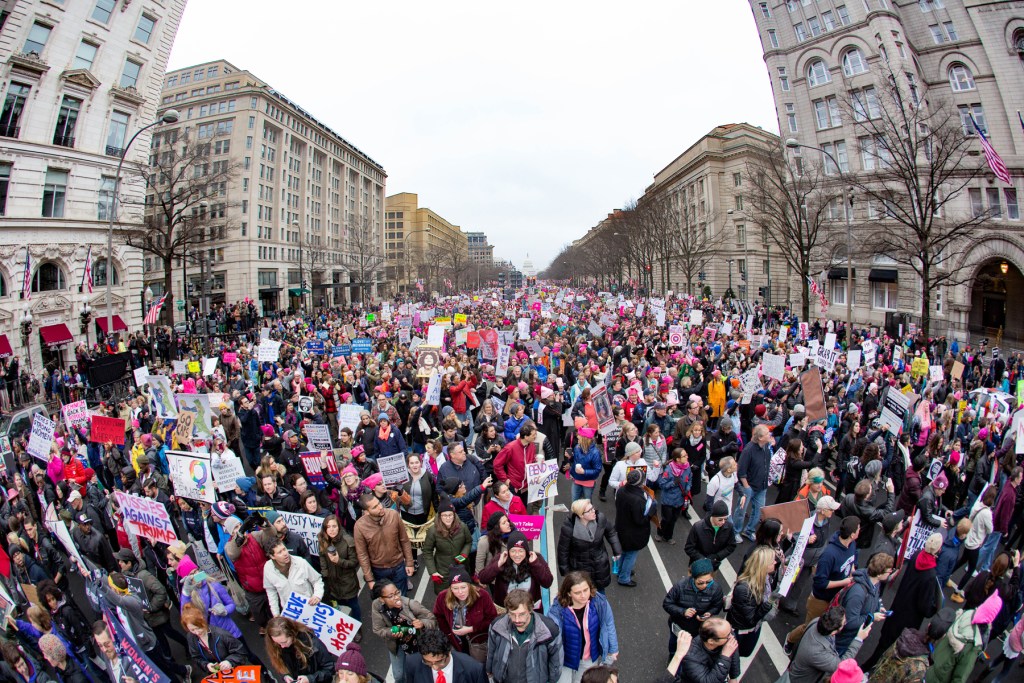
Then, division came, shattering my big toddler smiles. Friends I knew stopped talking to each other over politics. My parents, still in China, WeChat me in disbelief: “How could a government shut down?” Many people around me seemed stressed, angry, confused. It became harder to be a small light in people’s lives when their lives were being pulled apart.
The upcoming legislative season feels like my parents’ budget when I was a kid: a million needs, one small pocket, and a desperate attempt to keep everyone happy while covering all the “priorities.” The Legislature feels like a giant marketing campaign: How does an initiative become important enough for the majority to notice, to deserve even a sliver of the pie?
People working against each other instead of with each other. Chaos in my brain, like the Pixies song, “Where Is My Mind?”
What do I support? Who do I point a finger at? Am I going to get laid off? My mind feels like a department of war, with battles erupting in every corner, strategies shifting with no ceasefire.
And suddenly I realize: I have more material possessions now, but less peace. Is this still my American dream? Sometimes I drift toward the kitchen to wash dishes, savoring the simpler days, when I knew less, when life was quieter, smaller, and somehow, enough.
Yet perhaps that’s the lesson of 同舟共济. Life, and democracy, is like crossing a river. We should row together, or else the current will destroy the boat and all of us in it. In a world so divided, maybe the most radical act is simple: to listen, to connect, and to keep rowing, even when disagreement feels louder than harmony.
To live, not just beside each other, but with each other. To hold space for differences without letting them sink us. To live, to give back, and yes … to wash dishes.
 Sign up for our FREE morning newsletter and face each day more informed.
Community Voices aims to encourage broad discussion on many topics of community interest. It’s kind of a cross between Letters to the Editor and op-eds. This is your space to talk about important issues or interesting people who are making a difference in our world. Column lengths should be no more than 800 words and we need a photo of the author and a bio. We welcome video commentary and other multimedia formats. Send to news@civilbeat.org. The opinions and information expressed in Community Voices are solely those of the authors and not Civil Beat.
Read this next:

Local reporting when you need it most
Support timely, accurate, independent journalism.
Honolulu Civil Beat is a nonprofit organization, and your donation helps us produce local reporting that serves all of Hawaii.
ContributeAbout the Author