Aloha Helps Keep Hawaiʻi Fed Even During SNAP Crisis
Still, food banks are seeing unprecedented increases in demand that will likely continue for months.
November 14, 2025 · 4 min read

About the Author

From volcanic eruptions to the pandemic to the current SNAP benefits disruption, Hawaiʻi people show up with incredible kōkua and heart. It’s this living spirit of aloha that keeps us upright when the ground beneath us feels uncertain.
From Gov. Josh Green and Lt. Gov. Sylvia Luke standing up the Hawaiʻi Emergency Food Assistance Program, to local food banks and nonprofits activating to distribute food, to individual community members volunteering and donating, our collective relief effort shows that Hawaiʻi will take care of its own when disaster strikes or when federal systems falter.

Ideas showcases stories, opinion and analysis about Hawaiʻi, from the state’s sharpest thinkers, to stretch our collective thinking about a problem or an issue. Email news@civilbeat.org to submit an idea or an essay.
And yet, this crisis is far from over. Even with many Hawaiʻi SNAP recipients having received November benefits and the federal shutdown ending, the last few weeks’ complex legal battles, Supreme Court rulings, and disruption of benefits without a clear path or timeline to return to regular SNAP distribution means thousands of Hawaiʻi households still live in uncertainty.
Even with the Hawaiʻi Department of Human Services acting swiftly to issue full federal SNAP benefits to most eligible families and the Hawaiʻi Emergency Food Assistance Program providing $250 of state-funded support per SNAP recipient, 2,400 Hawaiʻi households — many of which are on Hawaiʻi island — did not receive November benefits. For these households, along with thousands of furloughed federal workers, the fridge is still empty.
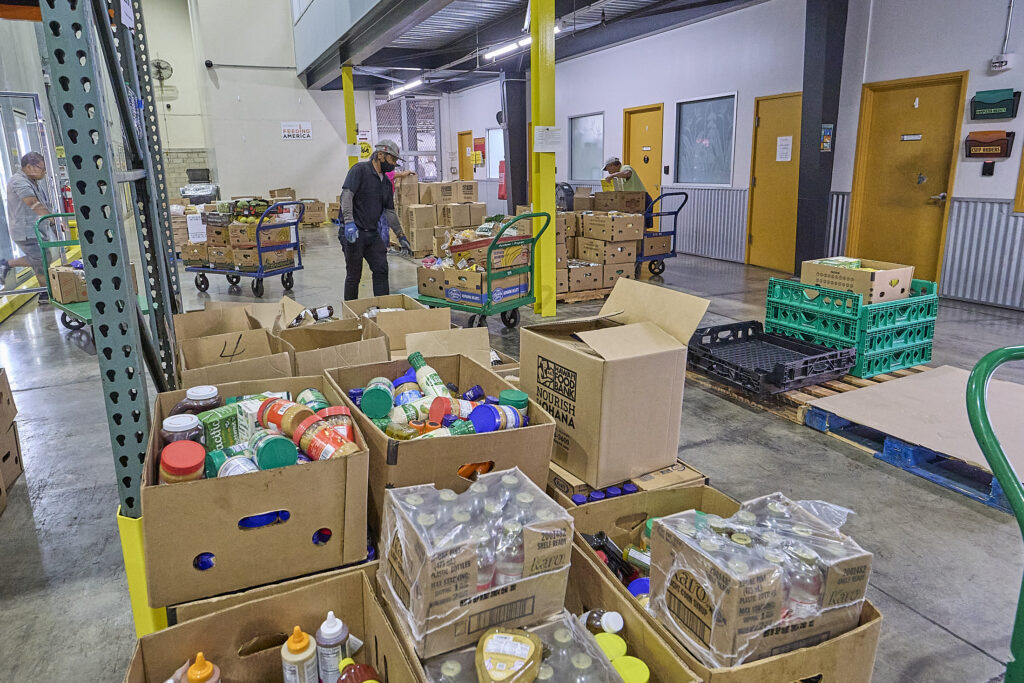
Here on Hawaiʻi Island, we face the highest rate of food insecurity in the state with 43% of our island residents experiencing food insecurity every single day. That means nearly half of our friends, neighbors, and co-workers are unsure where their next meal will come from.
Even before this latest crisis, nearly one in three children in Hawaiʻi lived in households struggling to afford nutritious meals. Food prices, shipping costs, and housing expenses all stretch families to the breaking point.
Now, with federal benefits disrupted, that fragile balance has collapsed for many. Across the state, food banks are seeing unprecedented increases in demand that will likely continue for months.
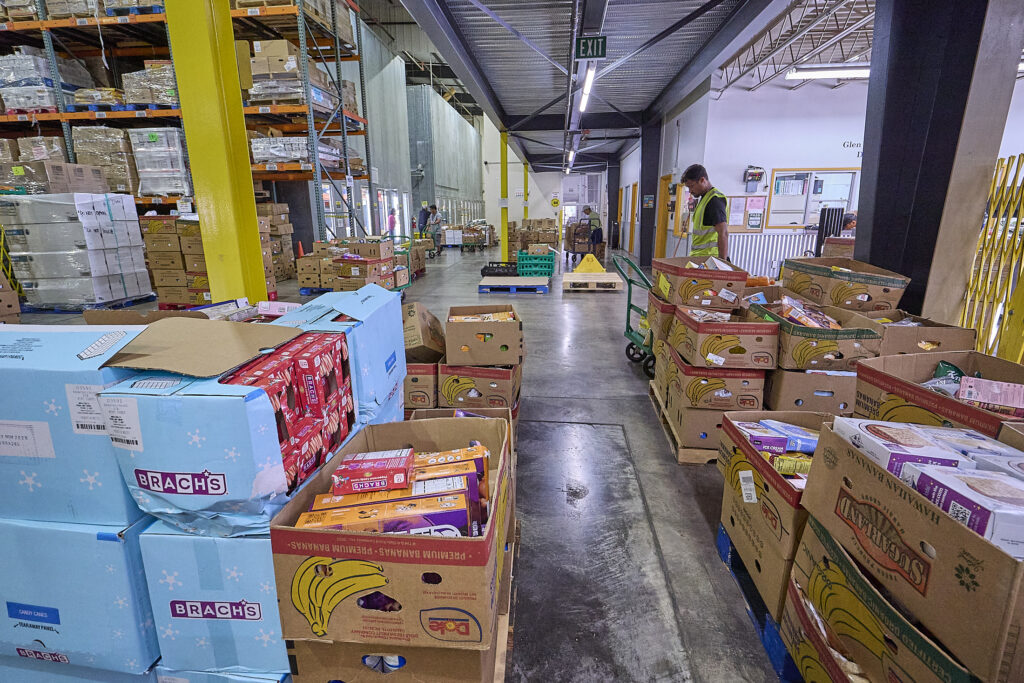
In response, The Food Basket will continue is emergency response that includes:
- ʻOhana Drops that provide large-scale food distributions across the island;
- direct food assistance from our Hilo and Kona warehouses to ensure immediate support;
- partnerships with the County of Hawaiʻi and a network of over 100 remarkable;
- and hard-working partner agencies, including local food pantries, soup kitchens, and organizations like Vibrant Hawaiʻi, extending our reach into every community.
Every day, we see neighbors helping neighbors, proving that our strength lies in our unity and that we are a community of generosity.
If you are able, please donate food, funds, or time. Current food drives, including the Kōkua Food Drive in partnership with the Hawaiʻi State Public Library System and KTA Super Stores, are critical right now.
Every Hawaiʻi Island-grown head of cabbage, every dollar, every hour volunteered helps ensure that no family goes hungry.
If you are a SNAP recipient, we encourage you to stay informed by checking your case status or asking questions by calling the public assistance Information line at 1 (855) 643-1643.
And to our elected officials and government agencies, mahalo nui loa for your swift action. These are not the circumstances we wish to find ourselves in, but this has shown us that local households depend on our ability to respond effectively, efficiently, and with aloha, at the state and community level.
 Sign up for our FREE morning newsletter and face each day more informed.
Community Voices aims to encourage broad discussion on many topics of community interest. It’s kind of a cross between Letters to the Editor and op-eds. This is your space to talk about important issues or interesting people who are making a difference in our world. Column lengths should be no more than 800 words and we need a photo of the author and a bio. We welcome video commentary and other multimedia formats. Send to news@civilbeat.org. The opinions and information expressed in Community Voices are solely those of the authors and not Civil Beat.

Local reporting when you need it most
Support timely, accurate, independent journalism.
Honolulu Civil Beat is a nonprofit organization, and your donation helps us produce local reporting that serves all of Hawaii.
ContributeAbout the Author