Health Care Isn’t Just A System. It’s A Shared Responsibility
Government, businesses, health organizations, educators and community leaders must work together in tough times to strengthen care across every island.
November 17, 2025 · 4 min read


About the Authors


In Hawai‘i, we know “‘A‘ohe hana nui ke alu ‘ia” — no task is too big when done by many hands. This wisdom, passed down by our kūpuna, has carried our islands through war, pandemics, economic hardship, and recovery. It reminds us that when times are uncertain, unity is our greatest strength.
Today, Hawai‘i is being tested again. Inflation is stretching family budgets. The federal government shutdown disrupted paychecks and delayed programs. Across our state, and especially on the neighbor islands, it’s getting harder for families to find or afford the health care they need.
For Native Hawaiian and rural communities, these challenges are not headlines — they are daily life. A family in Kona waits months for a specialist. A kupuna on Molokaʻi wonders if she can still afford her medication. A young nurse on Maui weighs whether to stay close to home or move to the continent in search of more affordable housing and higher wages.

Ideas showcases stories, opinion and analysis about Hawaiʻi, from the state’s sharpest thinkers, to stretch our collective thinking about a problem or an issue. Email news@civilbeat.org to submit an idea or an essay.
These are not problems any one hospital, clinic, or government agency can solve alone. They require kōkua from all of us — government, businesses, health plans, health systems, educators, and community leaders working together to strengthen care across every island.
At The Queen’s Health Systems, our kuleana has remained the same since Queen Emma and King Kamehameha IV founded The Queen’s Hospital 166 years ago: to improve the health and well-being of Native Hawaiians and all the people of Hawai‘i. That kuleana is personal for us. We live in these communities. We raise our families here. We know their faces, their stories, and their strengths.
Every day, we see both the strain and the resilience of Hawai‘i’s people. We see kūpuna who make every effort to keep their appointments despite transportation or mobility issues. We see parents skipping their own care so they can afford their children’s. We see caregivers giving everything they have to serve their communities and keep doors open for those who need it most.
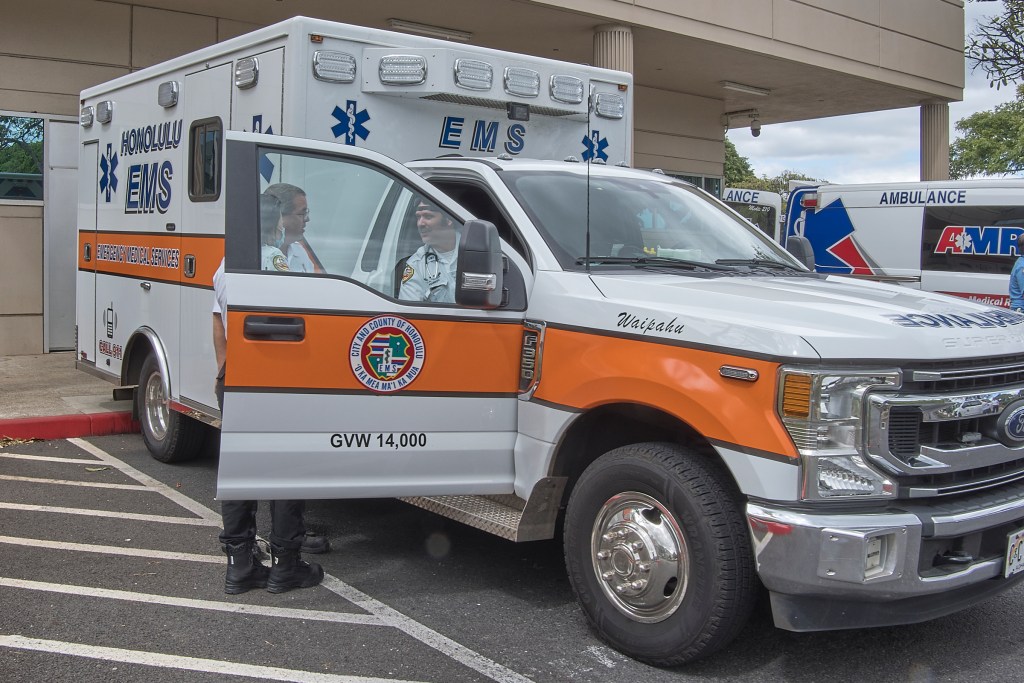
At Queen’s, we strive to meet those needs — from expanding telehealth to prioritizing training for more local health professionals and forging partnerships with communities to keep care available close to home. We’ve worked with others to preserve emergency care and to ensure families have access to behavioral health services that would otherwise disappear from our islands.
Despite our efforts, we know lasting progress depends on a broader commitment rooted in kuleana. Health care isn’t just a system. It’s a shared responsibility. It lives in the choices we make as a community — to invest in local training, to keep clinics open in rural areas, to treat every patient with dignity and compassion.
Taking Care Of One Another
In 1859, King Kamehameha IV spoke words that still guide us today: “So long as sickness shall exist, there is a duty imposed on us.” That duty extends beyond the walls of any hospital. It is a pledge to look after each other in every neighborhood, on every island, for every generation.
Today, that mission is under threat. Rising costs threaten access for families and small businesses alike. The workforce shortage leaves nurses and doctors stretched thin. Federal uncertainty and economic instability threaten some of our most trusted institutions. Yet amid all these pressures, Hawai‘i’s strength remains the same: we take care of one another.
The spirit of laulima — many hands working together — is what will get us through. It’s what built our communities, sustained our culture, and carried Queen’s from its founding to today. It’s what will allow us to navigate change without losing who we are or leaving anyone behind.
As we face the challenges ahead, let us remember that the health of our people is the heart of Hawai‘i’s strength. Our well-being as a community is inseparable from our economic stability, our ability to care for one another, and our respect for the dignity of every person.
Hawai‘i’s strength has always come not from one or two powerful interests, but from many hands working together. Let’s meet this moment together with compassion, aloha, and unity. Every person, on every island, must have access to care that is close, fair, and rooted in the values that define us.
‘A‘ohe hana nui ke alu ‘ia. No task is too big when we do it together. Let’s be pono together.
 Sign up for our FREE morning newsletter and face each day more informed.
Community Voices aims to encourage broad discussion on many topics of community interest. It’s kind of a cross between Letters to the Editor and op-eds. This is your space to talk about important issues or interesting people who are making a difference in our world. Column lengths should be no more than 800 words and we need a photo of the author and a bio. We welcome video commentary and other multimedia formats. Send to news@civilbeat.org. The opinions and information expressed in Community Voices are solely those of the authors and not Civil Beat.

Local reporting when you need it most
Support timely, accurate, independent journalism.
Honolulu Civil Beat is a nonprofit organization, and your donation helps us produce local reporting that serves all of Hawaii.
ContributeAbout the Authors