Will Bailey: The Big Island's Battle For The Birds
Chickens OK, roosters not so much. Bill 52 tests how far Hawaiʻi County will go to balance peace, food and freedom.
November 12, 2025 · 5 min read

About the Author

At 4 in the morning, the street stirs — unwillingly.
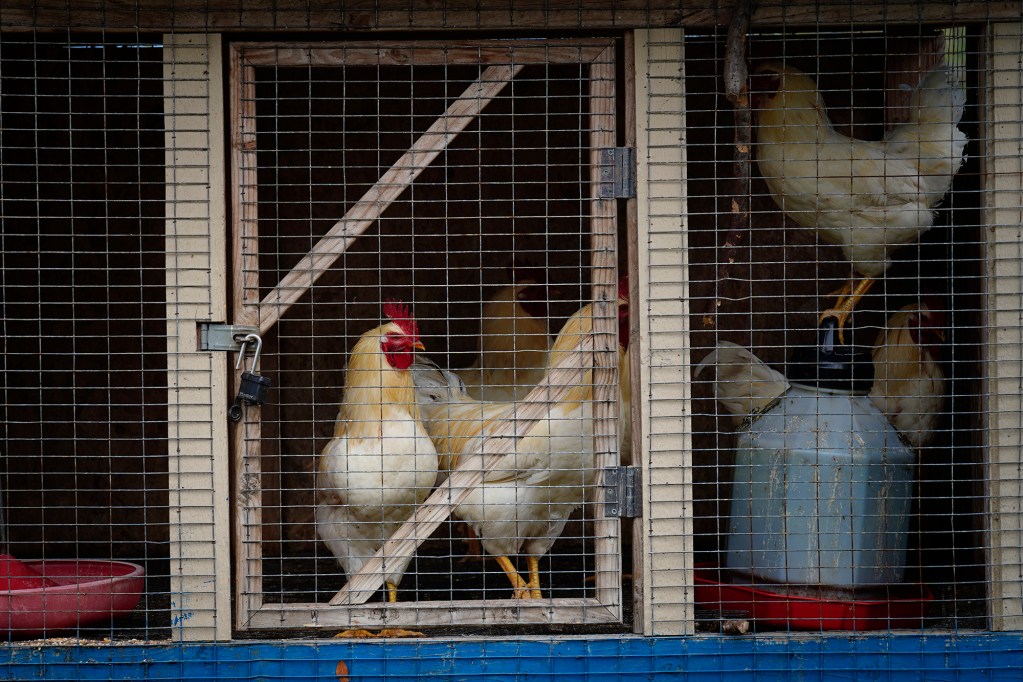
A single crow cracks the dark, answered by a dozen more echoing off the lava walls. By sunrise, the scratching begins: banana trees uprooted, lawns torn bare, shrubs reduced to sticks.
In a Kona subdivision, Danny Jesser hasn’t slept past dawn in years. “I can’t even use my yard anymore,” he said. “If a neighbor smashed my windows, police would come. But chickens? Nothing.”
He’s called everyone — the homeowners association, animal control, even the attorney general — and gotten the same answer: there’s no law for that. Through October, animal control logged more than 300 rooster complaints — already surpassing barking-dog calls for the year, according to county records — yet it still takes days for the county to respond.
Danny isn’t angry. He’s defeated. “You mean I don’t even own my own dirt?”
That’s the real story — not the birds, but the feeling that rules no longer protect ordinary people.

Ideas showcases stories, opinion and analysis about Hawaiʻi, from the state’s sharpest thinkers, to stretch our collective thinking about a problem or an issue. Email news@civilbeat.org to submit an idea or an essay.
The Bill
Now, the Hawaiʻi County Council is trying to draw that line with Bill 52, introduced by council member Heather Kimball of Hāmākua, North Hilo and parts of Waimea. The ordinance would legalize small backyard henneries — hens for personal egg production — across most residential and agricultural zones.
It allows two hens on small lots, more on larger ones; bans roosters; requires coops and setbacks; and prohibits the sale of eggs. The goal is self-sufficiency without the 4 a.m. wake-up call.
It might sound like zoning cleanup. But it’s deeper — a test of how the island balances order and independence when feral flocks already outnumber solutions. It also exposes quieter divides — newer, wealthier homeowners pushing for silence, and longtime locals who still see chickens as food, not noise.
And while the bill waits for a vote, residents on every side have made their cases.
The Voices
Public testimony on the bill earlier this month wasn’t left or right. It was lived.
In Waimea, social worker Luana Keakealani called the limits a burden on working families.
“Strict rules and bans prevent small-scale income when families are scraping by,” she wrote, urging the council to “do what is pono.” For multigenerational ʻohana, two hens won’t feed a household.
From Puna, public health student Dana Dorsey backed the intent but warned: “Without education, backyard poultry can spread disease.” She pushed for UH Cooperative Extension classes — because coops alone don’t stop salmonella.
And in Kona, Brandon Lewis flagged a contradiction: state law encourages cottage-food sales. “If the state clears paths for rural producers,” he wrote, “why does the county barricade backyard eggs?”
For county lawmakers, it’s a reminder that rules written for urban Oʻahu often fall apart in rural life.
These voices aren’t divided by ideology. They’re bound by experience — and by the belief that good policy starts with listening.
Feathers and Fault Lines
I get it. We have chickens too — about 25 that came with the property. They wander, follow us around the yard, sunbathe in the dirt. My neighbor keeps a tidier flock and what sounds like a huge rooster. I’ve never seen him, only heard him through the thick guava.

Before I got used to it, I’d be working late and he’d start around midnight — slow, steady, relentless — until the rest joined in. It used to drive me mad. Now I hardly notice.
My wife built simple boxes for the hens to lay in under the house, rain gutters repurposed as feeders and raised just high enough to keep the feral pigs out. At night they roost high in the old avocado tree beside the house. The tree seems happy with the arrangement.
In this place, what begins as noise becomes rhythm. The eggs become routine. The mess folds into the cycle — scraps to feed, hens to clean it up. It’s been years since I’ve seen a centipede around the house.
Drawing the Line
Bill 52 sketches that balance — yes to hens, no to roosters, with fines that climb for repeat violations. But without the staff to enforce it, the crowing won’t stop.
The county’s animal control division fields complaints across nearly 4,000 square miles with fewer than a dozen officers. In rural districts, response can take days. Even perfect enforcement can’t stop it; new roosters are dumped every week by gamefowl breeders, a problem no ordinance can touch.
It’s not final. The council has scheduled a vote for Nov. 30. Limited egg sales could help families offset feed costs. Cultural exemptions could honor Native Hawaiian ties to moa — the red junglefowl brought by Polynesian voyagers centuries ago, long before the islands had laws or fences. Mandatory University of Hawaiʻi classes could help prevent disease before it spreads.
What’s clear is that residents aren’t divided by politics. They’re divided by proximity. The bird that means breakfast for one means breakdown for another.
The Morning After
When the sun rises over Kona, the island quiets for a while. You can almost forget the argument waiting at the next council meeting.
But then one rooster starts again — a solo crow, then another, then the swell.
If you listen closely, it’s not just noise. It’s the island arguing with itself — about freedom, order and how to live together without tearing up the yard.
Paradise isn’t quiet. It’s negotiated — one scratch at a time.
 Sign up for our FREE morning newsletter and face each day more informed.
Read this next:

Local reporting when you need it most
Support timely, accurate, independent journalism.
Honolulu Civil Beat is a nonprofit organization, and your donation helps us produce local reporting that serves all of Hawaii.
ContributeAbout the Author