Federal Education Proposals Could Hurt Hawaiʻi Nurses
If the government restricts nursing from the professional category, fewer nurses will be able to advance their education.
December 2, 2025 · 4 min read

About the Author
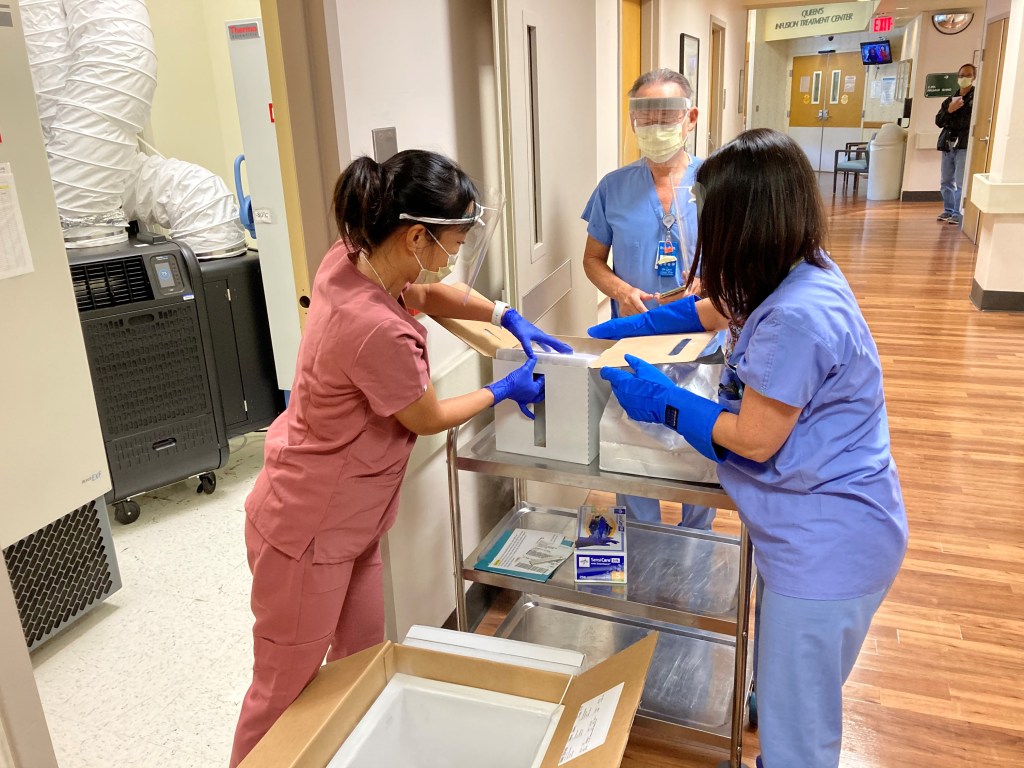
Last week, nurses like myself were alarmed to learn that the federal Department of Education’s plans to redefine the “professional” category which may restrict advanced nursing students from accessing higher amounts of student loans.
I happen to be a nurse today because I was able to access these same types of loans. This feels like an affront.
Hawaiʻi has referred to nursing as a profession going back to the 1960s. Nursing is a highly ethical, trusted profession that utilizes scientific knowledge and applies it to compassionate patient care and healthcare leadership.

Ideas showcases stories, opinion and analysis about Hawaiʻi, from the state’s sharpest thinkers, to stretch our collective thinking about a problem or an issue. Email news@civilbeat.org to submit an idea or an essay.
We employ clinical decision making, critical thinking, professional judgement, therapeutic communication, and engage highly technical skills to help people, families, communities, organizations, and our state.
Our work is not easy. It is complex. It is technical. It is life-changing, life-saving, and we always hope, life affirming.
I expect that many nurses and nursing students are wondering what will happen if the federal Department of Education moves forward with this change in classification. Federal and state efforts have provided assistance with the cost of nursing education since the 1950s, if not earlier.
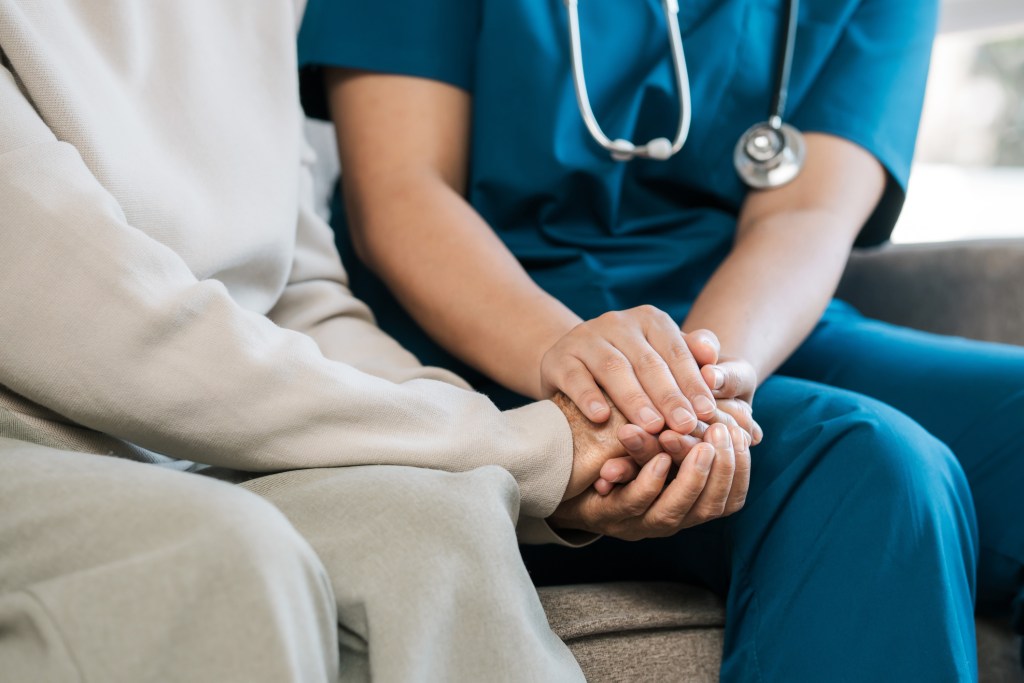
A change in how we are able to access education will be significant. Last spring, the Hawaiʻi State Center for Nursing surveyed Hawaiʻi nurses. We received an incredible 15,532 responses.
We learned that 55% of all nurses working in Hawaiʻi have some amount of student loan debt. Focusing on graduate prepared advanced practice registered nurses, we see that 76% of Hawaiʻi APRNs have student loan debt, and of them 29% have $100,000 or more.
To date, nurses who went back to school were able to secure high amounts in student loans because “professional” was defined as any profession in which the professional skill is beyond the level of a bachelorʻs degree. These student loans are critically important for nurses to achieve their professional goals beyond undergraduate nursing education (i.e., licensed practical nurse or LPN, associate degree in nursing or ADN, bachelor of science in nursing or BSN).
If the federal government restricts nursing from the professional category, fewer nurses will be able to advance their education.
This foreshadows a great risk. If nurses do not have the federal governmentʻs support to attain higher education, they may not be able to afford the education required to become an APRN like a nurse practitioner, nurse midwife, nurse anesthetist, or clinical nurse specialist, or complete the advanced degrees that prepare nurse scientists and nursing faculty.
In theory, this may lead to a decrease in nurses in these advanced roles. This change may have irrefutable costs to Hawaiʻi.
With the already well-documented healthcare provider shortage, a decrease of nurses going into provider roles will hurt our community. Likewise, fewer nurse faculty will compromise our ability to train nurses at all levels of education at the scale our state needs.
There will be an open comment period to provide feedback to the federal Department of Education. While details appear yet to be made public, this will be an important time to use our voices to communicate the desired outcome for the proposed definition.
I also find myself reflecting on the recognition and support Hawaiʻi offers to nurses. Locally, there are clear signs that nursing is a respected and valued profession. Hawaiʻi was one of the first states to adopt full practice authority for APRNs, enabling us to work to the full extent of our education and training.
Across the islands, we often see nurses at the highest levels of healthcare, leading organizations as well as supporting patients and families in direct patient care. Our state has the Hawaiʻi Education Loan Repayment Program, which uses state funds to repay healthcare worker student loans. Nurses are one the top professions benefiting from this Hawaiʻi-based program.
I want to assure Hawaiʻi nurses and the public that the Hawaiʻi State Center for nursing has communicated these same statistics and potential impacts to national partners and our congressional delegates.
We will continue to work with our state and national partners to communicate risk, provide recommendations, and most importantly, seek new strategies to ensure that nursing remains a thriving profession that is well supported, and is well positioned to take care of patients, families, community, and our state.
 Sign up for our FREE morning newsletter and face each day more informed.
Community Voices aims to encourage broad discussion on many topics of community interest. It’s kind of a cross between Letters to the Editor and op-eds. This is your space to talk about important issues or interesting people who are making a difference in our world. Column lengths should be no more than 800 words and we need a photo of the author and a bio. We welcome video commentary and other multimedia formats. Send to news@civilbeat.org. The opinions and information expressed in Community Voices are solely those of the authors and not Civil Beat.

Local reporting when you need it most
Support timely, accurate, independent journalism.
Honolulu Civil Beat is a nonprofit organization, and your donation helps us produce local reporting that serves all of Hawaii.
ContributeAbout the Author