From Ridge To Reef, Building The Resilient Future Maunalua Bay Deserves
A healthy environment is fundamental to healthy people and resilient communities.
December 22, 2025 · 5 min read


About the Author
Maunalua Bay is at a crossroads and anyone who has spent time in East Honolulu can feel it. For generations the bay has been a place that feeds families, shapes identity, and teaches the values that come from being close to the ocean. It is where many learned to fish and where weekend gatherings turned into life lessons about patience, stewardship, and community.
But today the bay is under pressure unlike anything seen in decades. The shoreline looks different, the water behaves differently, and longtime fishers sense changes that are impossible to ignore.
People often ask me, “How is the fishing?” I understand what they are really asking. Fishing connects generations. It is how knowledge is shared and how many families spend some of their most meaningful time together.

Ideas showcases stories, opinion and analysis about Hawaiʻi, from the state’s sharpest thinkers, to stretch our collective thinking about a problem or an issue. Email news@civilbeat.org to submit an idea or an essay.
But the answer today is not the same as it once was. The ecosystem that supports our local fisheries is stressed and the decline in nearshore species is something that those who have fished this bay their whole lives notice immediately.
Last month, Mālama Maunalua received a $4.6 million award from the National Fish and Wildlife Foundation’s National Coastal Resilience Fund. This investment gives our community the ability to take on the challenges facing the bay at the scale they now require. It continues a ridge-to-reef restoration initiative designed to rebuild coral, restore native forest, reduce flooding, and improve water quality.
None of this work aims to resist nature. Instead, it strengthens the natural systems that once made Maunalua Bay abundant – systems that future generations deserve to experience as fully as their grandparents once did.
There is a common idea that all plants in the ocean create habitat. In some environments that is true. Certain wetland plants filter runoff, and even a few invasive species on land have been repurposed for wastewater treatment. But plants in the ocean do not all offer the same ecological benefits.
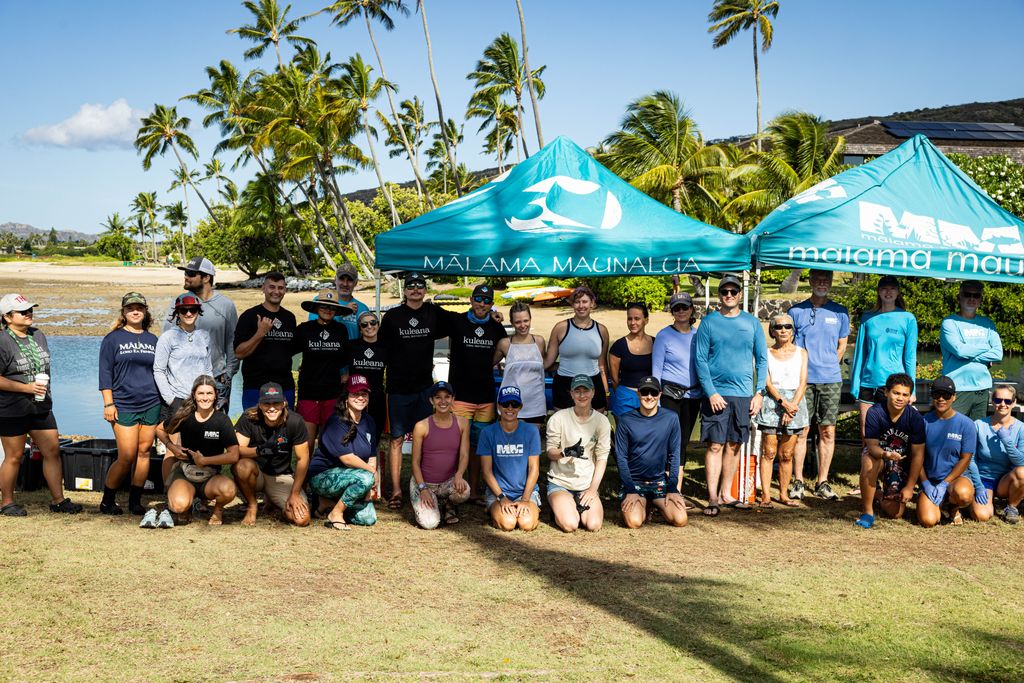
Decades of scientific monitoring in Maunalua Bay show that invasive algae such as Avrainvillea and Gracilaria salicornia smother coral, trap sediment, and eliminate the nurseries that juvenile fish depend on. It is no coincidence that many fish populations declined when invasive algae were at their peak. Habitat matters, but not all habitat is equal.
Removing invasive algae is not a fight against nature, it’s an effort to restore balance. The millions of pounds pulled from the bay by dedicated volunteers did not create a barren seafloor, but instead it created the conditions for coral to return, for water to clear, and for native species to come back. Healthy habitats support more fish, and healthy habitats are most often best created through native species.
The same lesson applies on land. Some believe that invasive trees might tolerate climate change well, but that does not mean they support a healthy watershed. In the uplands, many invasive trees like the extremely fast-growing albizia accelerate erosion, reduce water retention, and send sediment into the bay. Sediment buries coral and destroys nearshore habitat.
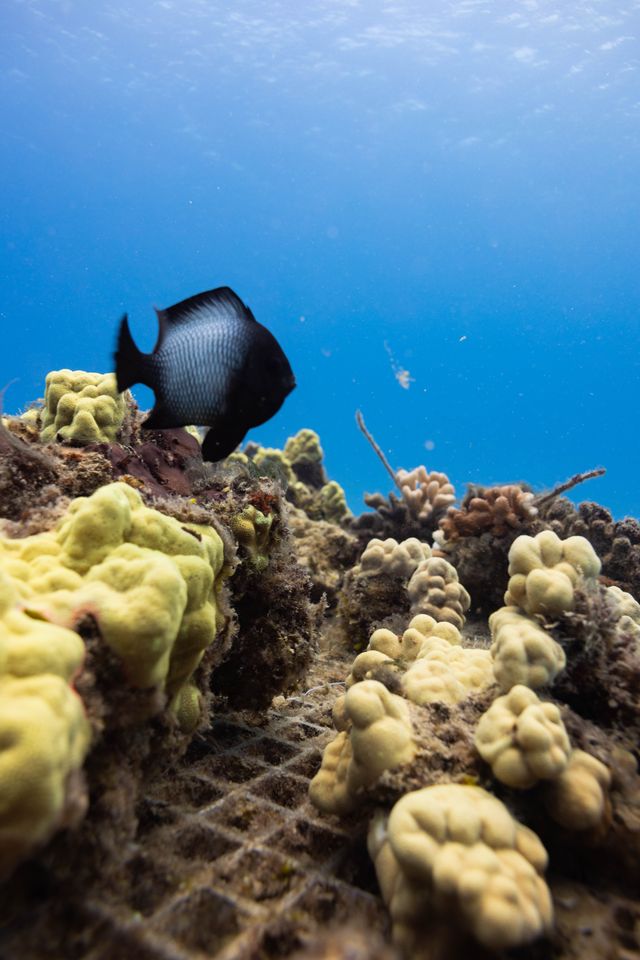
Restoring native forest is not about nostalgia. It is about preventing floods, strengthening climate resilience, and supporting the fisheries local families rely on.
With this new funding we will restore six acres of native forest, capture more than 850,000 gallons of stormwater each year and outplant thousands of climate resilient coral fragments across 10 acres of reef. This strategy addresses the root causes of decline, not just the symptoms.
Public education is a critical part of the restoration puzzle. When people understand the conditions around them, they are more likely to support and participate in efforts to restore them. Many of the actions needed to strengthen our watersheds begin at home. A single outreach event can reach dozens of people; when each person takes even one positive action, the return on our time, resources, and effort multiplies.
To extend our impact, we distribute fishing guides, provide instruction in schools, and work closely with the Department of Aquatic Resources to promote responsible fishing practices and resource stewardship. These smart, informed actions lead to healthier watersheds, more abundant fish populations, and ensure that our keiki can fish with the same joy and responsibility their kūpuna carried.
Restoring native forest is not about nostalgia.
Maunalua Bay reflects the broader changes unfolding across Hawaiʻi. The question before us is whether we will guide that change with intention or simply react to it. This grant is not a complete solution, but it represents a meaningful turning point. It strengthens our capacity to restore natural systems, protect our neighborhoods, and rebuild healthy fisheries.
For generations, Maunalua Bay has sustained our communities. Now, it is our kuleana to care for the bay in return.
Mālama Maunalua relies heavily on volunteers and community support to carry out this work. We are deeply grateful to the tens of thousands of individuals who have made this progress possible, and we hope more people will continue to find ways to support our efforts and the many nonprofit organizations working across Hawaiʻi. In the end, a healthy environment is fundamental to healthy people and resilient communities.
 Sign up for our FREE morning newsletter and face each day more informed.
Community Voices aims to encourage broad discussion on many topics of community interest. It’s kind of a cross between Letters to the Editor and op-eds. This is your space to talk about important issues or interesting people who are making a difference in our world. Column lengths should be no more than 800 words and we need a photo of the author and a bio. We welcome video commentary and other multimedia formats. Send to news@civilbeat.org. The opinions and information expressed in Community Voices are solely those of the authors and not Civil Beat.
Read this next:

Local reporting when you need it most
Support timely, accurate, independent journalism.
Honolulu Civil Beat is a nonprofit organization, and your donation helps us produce local reporting that serves all of Hawaii.
ContributeAbout the Author