How Hawaiʻi Can Get The HMSA-HPH Affiliation Right
History shows that consolidation often promises efficiency but delivers higher costs unless strong safeguards are in place.
January 26, 2026 · 4 min read

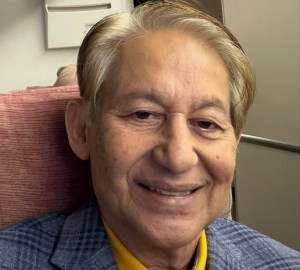
About the Author
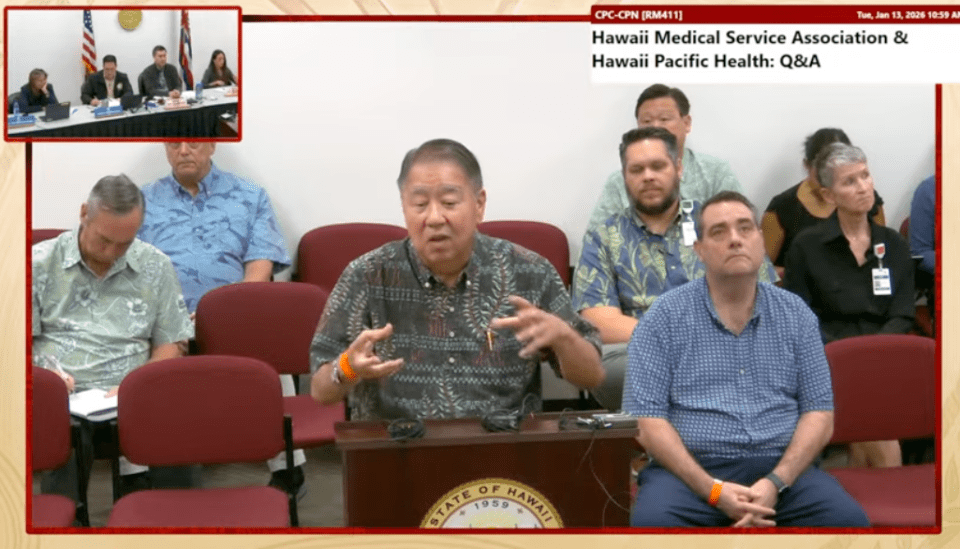
Hawaiʻi has a rare chance to lead. At a time when health care systems across the country are struggling with rising costs, workforce shortages and public distrust, the proposed affiliation between Hawaii Medical Service Association and Hawaiʻi Pacific Health presents an opportunity to demonstrate how reform can improve care without sacrificing competition, choice, or fairness.
Whether Hawaii becomes a national model — or a cautionary tale — will depend on the decisions made now.
The affiliation has sparked vigorous debate across Hawaiʻi’s health care community. Supporters see the promise of reduced bureaucracy, better coordination and progress toward value-based care. Critics warn of increased market concentration, reduced competition, and long-term risks to independent providers and patient choice. Both perspectives are valid, and both deserve serious attention.

Ideas showcases stories, opinion and analysis about Hawaiʻi, from the state’s sharpest thinkers, to stretch our collective thinking about a problem or an issue. Email news@civilbeat.org to submit an idea or an essay.
The real issue is not whether such an affiliation sounds good in theory, but whether Hawaiʻi can structure it to serve the public interest in practice.
The Opportunity: Less Friction, Better Coordination
Hawaiʻi’s health care system is burdened by excessive administrative complexity. Physicians and hospitals spend countless hours navigating prior authorizations, denials, and duplicative processes that add cost without improving outcomes. If closer alignment between insurers and providers can genuinely reduce this friction, patients stand to benefit from smoother care transitions and fewer delays.
Improved coordination also holds promise for chronic disease management and population health. For neighbor islands in particular, coordinated planning could help stabilize specialty access and address persistent workforce shortages. These potential gains are meaningful and should not be dismissed.
The Risk: Concentration Without Accountability
At the same time, Hawaiʻi’s health care market is small and already highly concentrated. HMSA insures a majority of Hawaiʻi’s residents, while HPH operates several major hospitals. When a dominant insurer and a dominant provider align — even without a formal merger — the balance of power inevitably shifts.

Independent physicians and hospitals worry, with good reason, that they could be marginalized over time through reimbursement pressure, referral steering, or contracting practices that subtly favor one system.
Patients may find that choice narrows in practice, even if networks remain technically open. History shows that consolidation often promises efficiency but delivers higher costs unless strong safeguards are in place. Hawaiʻi cannot afford to rely on good intentions alone.
What Hawaiʻi Should Require
If this affiliation moves forward, it must be accompanied by clear, enforceable conditions.
First, competition protections must be explicit and binding. Regulators should prohibit patient steering, discriminatory reimbursement, and retaliation against independent providers. An open network must be open in reality, not just in language.

Second, transparency must be nonnegotiable. If administrative savings are achieved, the public deserves to see how those savings are used. Premium moderation, reduced prior authorization requirements, improved neighbor island access and workforce investment should be measurable commitments, not aspirational talking points.
Third, governance must reflect Hawaiʻi’s diversity. Decisions about capital investment, service lines, and care delivery will shape the system for decades. Independent physicians, patient advocates, and neighbor island representatives should have meaningful roles in governance — not merely advisory seats without authority.
Regulators must retain an exit ramp.
Fourth, independent physicians must be protected. Many communities depend on small practices for accessible, relationship-based care. Physicians should not be financially penalized for referring patients outside a single system, and reimbursement structures must remain fair and sustainable.
Finally, regulators must retain an exit ramp. Periodic independent reviews, ongoing oversight, and the authority to modify or unwind aspects of the affiliation if harms emerge are signs of prudent governance, not mistrust.
Choosing Leadership Over Convenience
Health care is not just another industry in Hawaiʻi. It is a public good that touches every family, every employer, and every community. Decisions made today will shape affordability, access, and trust for years to come.
The HMSA-HPH affiliation could demonstrate that coordination and competition are not mutually exclusive. It could show that efficiency does not have to come at the expense of choice, and that innovation can coexist with accountability.
Hawaiʻi now has a chance to lead — not by moving fastest, but by moving wisely. With transparency, shared governance and enforceable safeguards, Hawaiʻi can capture the benefits of coordination while protecting competition, choice and public trust.
This is not about choosing sides. It is about choosing patients — and the long-term health of Hawaiʻi’s communities.
 Sign up for our FREE morning newsletter and face each day more informed.
Community Voices aims to encourage broad discussion on many topics of community interest. It’s kind of a cross between Letters to the Editor and op-eds. This is your space to talk about important issues or interesting people who are making a difference in our world. Column lengths should be no more than 800 words and we need a photo of the author and a bio. We welcome video commentary and other multimedia formats. Send to news@civilbeat.org. The opinions and information expressed in Community Voices are solely those of the authors and not Civil Beat.

Local reporting when you need it most
Support timely, accurate, independent journalism.
Honolulu Civil Beat is a nonprofit organization, and your donation helps us produce local reporting that serves all of Hawaii.
ContributeAbout the Author