Hawaiʻi Needs A Strategic Food Reserve
And the Legislature’s Senate Bill 3162 is the plan.
February 27, 2026 · 5 min read

About the Authors


Here’s a question every Hawaiʻi resident should be able to answer: If shipping to our islands stopped tomorrow — due to a hurricane, a port strike, a pandemic, or another major war — how long would we have food to eat?
The honest answer is: not long. Hawaiʻi imports roughly 90% of its food. Only 12% of households maintain the two-week emergency food supply that civil defense officials recommend.
On Hawaiʻi island, where we live and work, the food insecurity rate exceeds 40% — the highest in the state. We are, by any measure, dangerously exposed.

Ideas showcases stories, opinion and analysis about Hawaiʻi, from the state’s sharpest thinkers, to stretch our collective thinking about a problem or an issue. Email news@civilbeat.org to submit an idea or an essay.
That’s why Senate Bill 3162 (Sens. Mike Gabbard and Karl Rhoads), the Strategic Food Reserve Act matters so much — and why it needs public support right now to survive the legislative gauntlet ahead.
The bill passed the Senate Agriculture and Environment Committee unanimously on Feb. 13 and would establish strategic food reserves on each island managed by the Department of Agriculture and Biosecurity. Think of it as Hawaiʻi’s version of the national Strategic Petroleum Reserve, but for something even more fundamental: food.
What makes SB 3162 special is that it’s not just a disaster preparedness bill. It addresses four critical needs simultaneously.
Win No. 1 — Emergency Resilience
The bill requires a three-month supply of essential, non-perishable foods for at least 25% of each island’s population, scaling to 50% by 2031. Reserves would be integrated into state and county emergency management plans. When the next hurricane, earthquake, or global disruption hits, we won’t be scrambling — we’ll be prepared.
Win No. 2 — Local Farmer Support
This is where the bill gets creative. It requires that 60% of reserve stocks for crops already grown in sufficient quantity here be sourced locally, with escalating targets for other crops. The bill mandates forward contracts of three to five years with local producers at fair market prices, with premium pricing available for sustainable and regenerative practices.
For Hawaiʻi’s farmers, this means something they’ve rarely had: guaranteed markets and the certainty to invest in expanding production. It’s agricultural economic development built right into the emergency preparedness framework.
Win No. 3 — Cultural Food Sovereignty
The bill prioritizes culturally significant crops including kalo, ʻuala, and ʻulu — foods that sustained these islands for centuries before our current import dependency.
The advisory committee includes Native Hawaiian farming community representation. Building reserves around traditional crops reconnects food security with cultural identity, something no amount of imported canned goods can achieve.
Win No. 4 — Feeding People Today
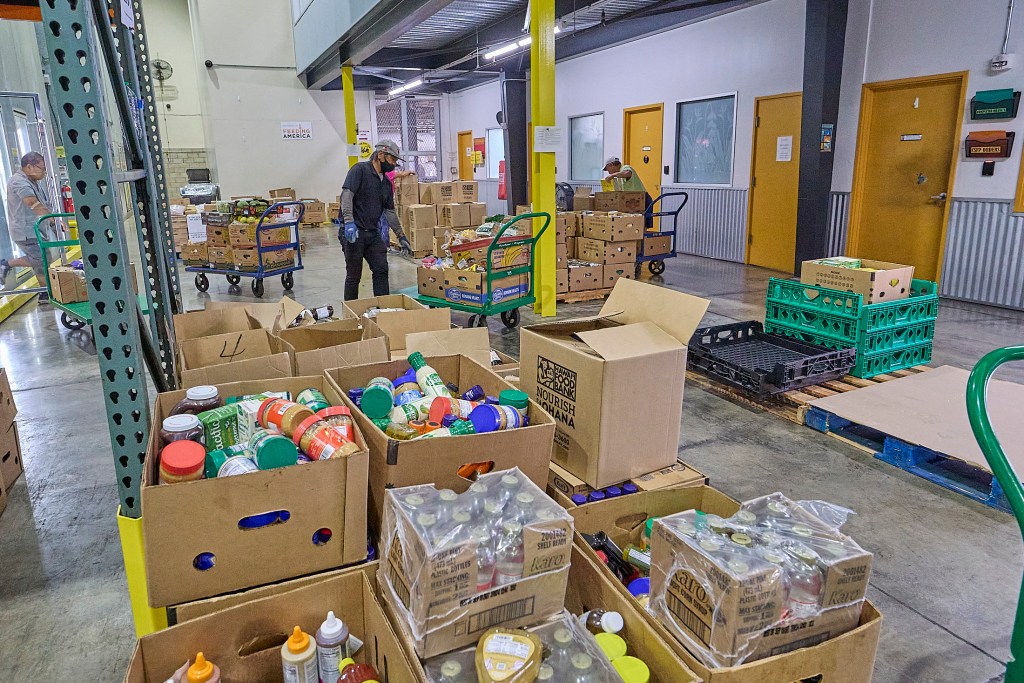
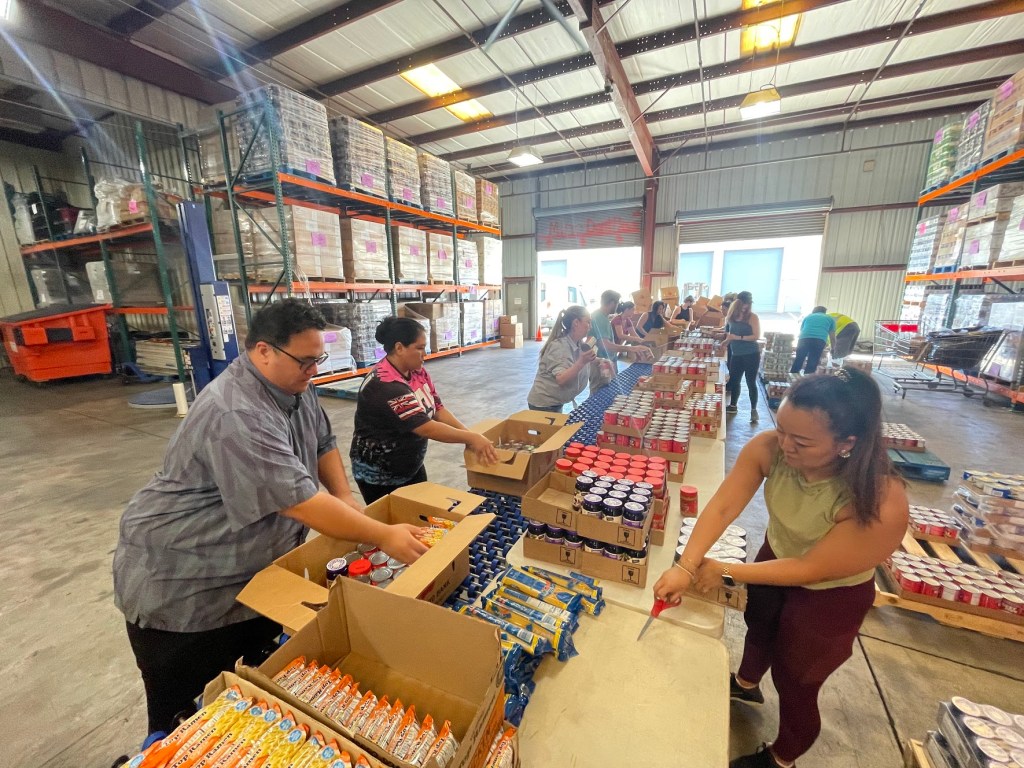
The bill’s rotation system keeps reserve stocks fresh by cycling them through food banks and community distribution networks before they expire. This means the reserves aren’t just sitting in a warehouse waiting for a disaster — they’re actively feeding food-insecure families right now, every day, while maintaining full emergency readiness.
In a state where tens of thousands of families struggle to put food on the table, that’s not a side benefit. It’s transformative.
The breadth of support this bill has received is remarkable. The Department of Agriculture and Biosecurity supports it. The Hawaiʻi Farm Bureau supports it. The Hawaiʻi Farmers Union United supports it. The Hawaii Food Industry Association — representing 200 member companies including retailers, suppliers, and distributors — supports it. The Hawaii Cattlemen’s Council supports it. Not a single organization testified in opposition.
Read that again: every major player in Hawaiʻi’s food system — from farmers to ranchers to grocers to the state agriculture department — agrees this needs to happen.
But agreement doesn’t guarantee passage. The bill now heads to the Senate Ways and Means Committee, where the question shifts from “Is this a good idea?” to “Will we fund it?”
That’s always the hardest question at the Legislature, and it’s where good bills go to die quiet deaths if there isn’t public pressure to keep them alive.
After Ways and Means, SB 3162 still needs to cross over to the House and clear committees there too. The entire journey requires sustained attention from the public.
Consider the alternative to action: we continue operating with no meaningful buffer against disruption, hoping that the ships keep coming and the ports stay open and the global supply chains hold together. In an era of increasing climate disruption, geopolitical instability, and federal retrenchment from safety-net programs — including recent cuts to SNAP benefits that hit Hawaiʻi’s most vulnerable families hard — that’s not optimism. It’s negligence.
If you believe Hawaiʻi should be able to feed itself in an emergency, contact your legislators and tell them to support SB 3162 through Ways and Means and across to the House. Submit written testimony when the bill is scheduled for its next hearing. This isn’t a partisan issue — it’s a survival issue.
Our islands sustained a thriving civilization for centuries through local food production. It’s time we started building that capacity back — not to replace our modern food system, but to make sure we have something to fall back on when it fails.
 Sign up for our FREE morning newsletter and face each day more informed.
Community Voices aims to encourage broad discussion on many topics of community interest. It’s kind of a cross between Letters to the Editor and op-eds. This is your space to talk about important issues or interesting people who are making a difference in our world. Column lengths should be no more than 800 words and we need a photo of the author and a bio. We welcome video commentary and other multimedia formats. Send to news@civilbeat.org. The opinions and information expressed in Community Voices are solely those of the authors and not Civil Beat.
Local reporting when you need it most
Support timely, accurate, independent journalism.
Honolulu Civil Beat is a nonprofit organization, and your donation helps us produce local reporting that serves all of Hawaii.
ContributeAbout the Authors