It's Time To Reconsider Disclosure Requirements For UH Regents
The strength of the University of Hawaiʻi depends on who is willing to serve.
February 3, 2026 · 4 min read

About the Author
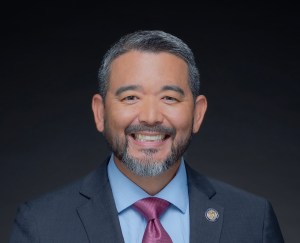
At moments of uncertainty, the strength of our public institutions depends on more than good intentions. It depends on governance — on who is willing to step forward, assume responsibility, and make difficult decisions on behalf of the public.
Few institutions illustrate this more clearly than our public university system.
Higher education is facing a period of rapid change. Enrollment patterns are shifting. Federal policy is increasingly unpredictable. Universities are being asked to do more — prepare a future workforce, support research, maintain access, and remain financially stable — often with fewer resources and greater scrutiny. In that environment, strong leadership matters. But just as important is the quality of the boards that govern our institutions.

Ideas showcases stories, opinion and analysis about Hawaiʻi, from the state’s sharpest thinkers, to stretch our collective thinking about a problem or an issue. Email news@civilbeat.org to submit an idea or an essay.
The Board of Regents plays a critical role in stewarding the University of Hawaiʻi system. Regents are fiduciaries. They set long-term strategy, oversee complex finances, hire and evaluate senior leadership, and make decisions whose effects can last decades. The role is unpaid, time-consuming, and often thankless.
It is, at its core, an act of public service. And yet, we rarely talk honestly about who chooses not to serve — and why.
Over the years, I’ve spoken with people who care deeply about public education and who have the skills we desperately need in governance roles. They include leaders from business, nonprofit, healthcare, finance, and other sectors. Many have served on boards elsewhere. Many understand fiduciary responsibility. Many want to give back.
But some ultimately decide against serving — not because they lack commitment, but because the personal costs of service feel disproportionate.

One of the most common concerns I hear involves public financial disclosure requirements. While transparency is essential in public service, not all disclosure regimes are equally calibrated to the role being performed.
Broad, permanent public disclosures can unintentionally expose sensitive information about spouses, family members, business partners, or legacy investments that have little bearing on conflicts of interest. For some potential volunteers, that exposure is enough to give pause.
This is not about avoiding accountability. Regents must — and should — disclose conflicts of interest. Ethics rules must be enforced. The public deserves confidence that decisions are made in the open and in the best interest of the institution.
But transparency should be fit for purpose.
There is an important distinction between disclosures that are filed and reviewed to identify conflicts, and disclosures that are posted publicly in ways that may go far beyond what is necessary to protect the public interest. When the scope of public disclosure becomes so broad that it discourages qualified people from serving, we should be willing to ask whether we’ve struck the right balance.
Public service has always required sacrifice. It should not require unnecessary personal exposure.
As chair of the House committee on higher education, strengthening university governance is one of my core priorities this session. That includes taking a hard look at whether existing disclosure requirements for board service are appropriately tailored to the responsibilities involved.
No single reform will solve every challenge facing higher education, and no outcome is guaranteed. But ensuring that our governance structures attract capable, independent, and experienced leaders is one of the most fundamental improvements we can make to position the University of Hawaiʻi for the future.
That work matters because the demands on university governance are only increasing. Regents today are being asked to navigate enrollment volatility, rising costs, federal compliance risks, workforce alignment, and public skepticism toward institutions.
These are not symbolic roles. They require judgment, experience, and the ability to weigh competing interests over the long term.
Good governance is quiet, disciplined, and forward-looking.
If we want governing boards capable of meeting that challenge, we must be willing to examine the rules that shape who is able — and willing — to serve. That means being honest about barriers that exist, recognizing when well-intentioned policies have unintended consequences, and refining our approach where necessary.
Importantly, making service more accessible does not mean lowering standards. It means focusing accountability where it matters most: identifying real conflicts, enforcing ethics rules, and protecting the independence of those entrusted with oversight.
At its best, good governance is quiet, disciplined, and forward-looking. It does not chase headlines. It builds capacity over time.
If Hawaiʻi expects its public university to meet a moment of profound change, then strengthening how it is governed is not optional. It is a responsibility — and one we cannot afford to postpone.
 Sign up for our FREE morning newsletter and face each day more informed.
Community Voices aims to encourage broad discussion on many topics of community interest. It’s kind of a cross between Letters to the Editor and op-eds. This is your space to talk about important issues or interesting people who are making a difference in our world. Column lengths should be no more than 800 words and we need a photo of the author and a bio. We welcome video commentary and other multimedia formats. Send to news@civilbeat.org. The opinions and information expressed in Community Voices are solely those of the authors and not Civil Beat.
Read this next:
Local reporting when you need it most
Support timely, accurate, independent journalism.
Honolulu Civil Beat is a nonprofit organization, and your donation helps us produce local reporting that serves all of Hawaii.
ContributeAbout the Author