Makana Eyre: Qualms About Celebrating The Moana Surfrider
Yes, the Waikīkī property about to celebrate its 125th anniversary is a stately icon. But it also tells an uglier story of who profited from the island’s transformation.
February 23, 2026 · 5 min read

About the Author

In the mythology of Waikīkī, the Moana Surfrider stands apart.
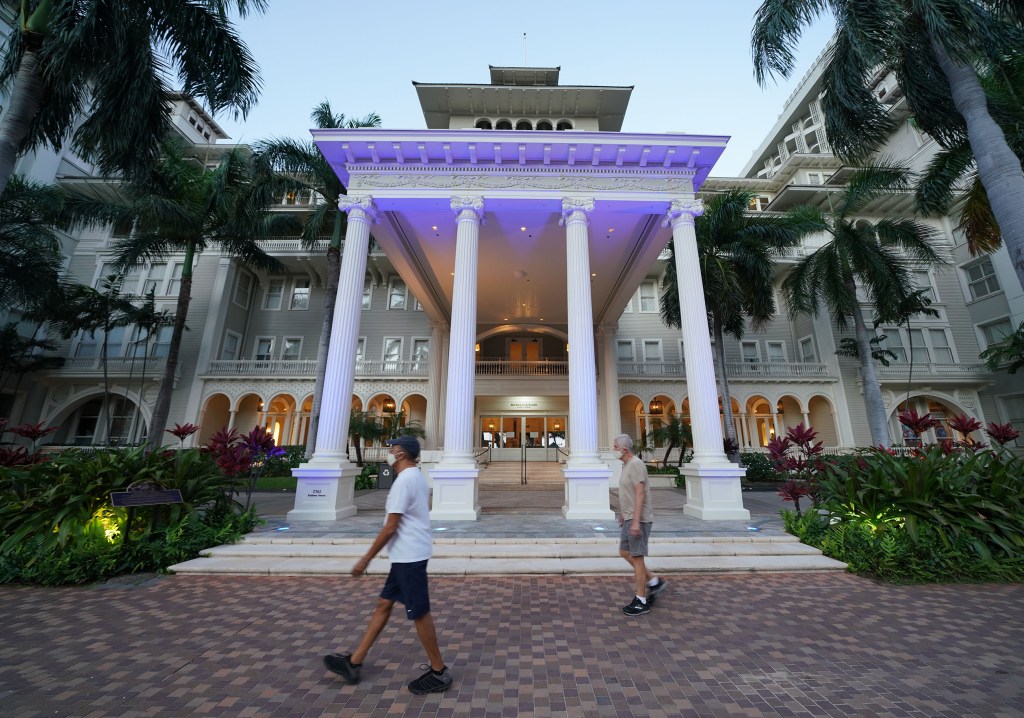
The sprawling property, built in colonial clapboard with Victorian flourishes, is an iconic building. It was the first major hotel to appear on what might be the world’s most famous beach. Since opening, it has hosted sports heroes, stars of stage and cinema and even an English prince (no, not that one).
Next month, the Moana will celebrate a century and a quarter of existence. Marketing folks at Westin Hotels & Resorts, the company that manages it, are no doubt polishing cheerful press releases about heritage and cultural stewardship. Staff on site, I expect, are putting the final touches on events to mark the occasion. Local media will follow with effusive stories of anniversary festivities.
And yet, I’ve found myself asking, does the First Lady of Waikīkī really deserve attention and praise? Will anyone prod at what this grand old hotel represents?

Ideas showcases stories, opinion and analysis about Hawaiʻi, from the state’s sharpest thinkers, to stretch our collective thinking about a problem or an issue. Email news@civilbeat.org to submit an idea or an essay.
Like many people from Oʻahu, I grew up seeing the Moana through car windows. My family never ate or stayed there. The exorbitant prices kept us away. And more telling, I think, is that fact that we knew, if only subconsciously, that we didn’t belong there.
As an adult, I’ve come to see hotels like the Moana for what they are: monuments to displacement. The beachfront of Waikīkī was, after all, once a place where Hawaiian royalty kept homes. The nearshore reefs were equally famous and fragrant for their limu līpoa, a mainstay relish of Hawaiian cooking, now nearly extinct along the coast. For generations, the district was a wetland, watered by the mauka streams of Makiki, Mānoa and Pālolo and, later, filled with loʻi and duck ponds and rice fields.
Opened in 1901, the Moana marked a turning point. It launched the transformation of Waikīkī into the tourist playground that it is today, all skyscrapers, replenished beaches and luxury shopping.
The Moana and nearby Royal Hawaiian, which itself will mark its centennial next year, also serve as an uneasy reminder of the territorial years. This was the era when the sugar planters had such a grip on the islands that Edmund Pearson Dole, attorney general at the turn of the century, commented, “There is a government in this territory which is centralized to an extent unknown in the United States, and probably as centralized as France was under Louis XIV.”
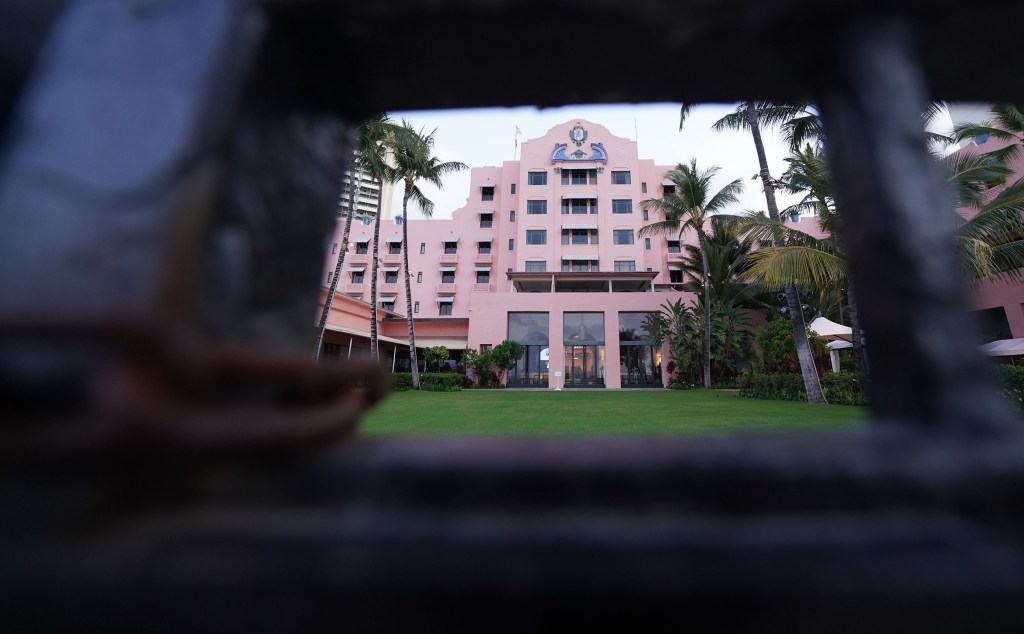
Without a doubt, the Big Five and their affiliates had close entanglements with these hotels. By the 1930s, both the Moana and the Royal Hawaiian belonged to Matson, which made a good business of booking wealthy tourists on their ocean liners and then installing them in their grand resorts.
Not only did this bring Matson a nice profit stream, tourism also reinforced the power structures that enriched the broader business and political elite. In a 2017 article, the Columbia scholar Sarah Miller-Davenport argued that it “bolstered haole power by attracting affluent mainlanders to the Royal Hawaiian and other luxurious Waikīkī resorts designed to keep social and racial inferiors at bay.”
I’m not a man with a stone heart. I know that the Moana is a historic building. I can see its appeal, its beauty. I also recognize the emotional connection many Hawaiʻi residents have to it. But sentiment alone is not reason to honor an institution with a legacy of colonial links.
A good case in point is the news coverage at the time of the Moana’s opening. Reporters lauded its rooftop garden illuminated by red, white and blue lights. They wrote breathlessly about how it was the costliest and most elaborate building in the Hawaiian Islands. They raved about its furniture and finishing.
At an inaugural banquet, uppercrust guests ate a feast of California oysters, English sole, stewed water tortoise, beef tenderloin and roasted duck. Over cake and cigars, the band played “The Stars and Stripes Forever.”
For a bit of context about what else was happening in Hawaiʻi at this time, the Hawaiian Star, one of the newspapers lengthily praising the Moana’s launch, printed another article in the same issue. In a curt 129 words, it noted a debate about how much of a pension the deposed Queen Liliʻuokalani deserved. All this, we should remember, was taking place less than three years after American annexation.

It’s easy to say that these are the troubles of yesterday. It’s time to move on. And it’s true, the Moana of today is far from the establishment it was a century and a quarter ago.
But symbols matter, history matters. Over the last decade, people across the nation have grappled with who and what gets memorialized in their cities. In Hawaiʻi, a similar reckoning has never really played out. Today, we still have streets and high schools and buildings named after the men who overthrew the monarchy and made fortunes from dubious monopolies.
What I’m asking is this. When you see coverage of the Moana’s anniversary next month, when celebrations for the Royal Hawaiian occur next spring, remember the lineage these hotels have, their ties to our unsettled past. They are a part of Hawaiʻi’s longer history of who profited from the islands’ transformation. And just as critical, who often bore the costs.
We’d all do well to ask whether we should be toasting the First Lady of Waikīkī and The Pink Palace of the Pacific.
 Sign up for our FREE morning newsletter and face each day more informed.
Read this next:

Local reporting when you need it most
Support timely, accurate, independent journalism.
Honolulu Civil Beat is a nonprofit organization, and your donation helps us produce local reporting that serves all of Hawaii.
ContributeAbout the Author