Allow Food Banks To Buy Locally Grown Food Directly
House Bill 2208 is a vital investment in our economy and community resilience.
March 18, 2026 · 4 min read

About the Author

On Hawaiʻi island, a crisis of hunger is unfolding at the dinner tables of our friends and neighbors. Its scale is staggering: nearly half of households and more than 60% of children are food insecure.
These are not just statistics; they are the daily reality for our community. A Waimea grandmother shares: “We have a family to feed. I have grandchildren. I have a daughter-in-law. They all live with me, and I’m going to feed them every dinner. Mahalo to our Food Basket … for making food possible for us.”
Food insecurity is multi-generational, deeply felt, and a struggle no one should have to face in a place of such abundance. Hawaiʻi island has the highest cost of living in the state, putting basic necessities out of reach for many working families.

Ideas showcases stories, opinion and analysis about Hawaiʻi, from the state’s sharpest thinkers, to stretch our collective thinking about a problem or an issue. Email news@civilbeat.org to submit an idea or an essay.
This is not a crisis of scarcity, but of systems that create a stark disparity: the food insecurity rate for households earning below $90,000 per year is a devastating 44%, compared to 16% for those earning above that threshold.
This struggle is not borne equally. Filipino, Native Hawaiian, and Pacific Islander communities are disproportionately affected.
The human cost is immense. Food insecurity is a direct threat to public health, strongly linked to increased rates of anxiety and depression, chronic diseases, and malnutrition.
Families are delaying or forgoing essential medical care to afford groceries, while children face the risk of cognitive delays and diminished academic achievement. All this while we remain dangerously dependent on imports for the vast majority of our food, leaving us vulnerable to global supply chain disruptions and price shocks.
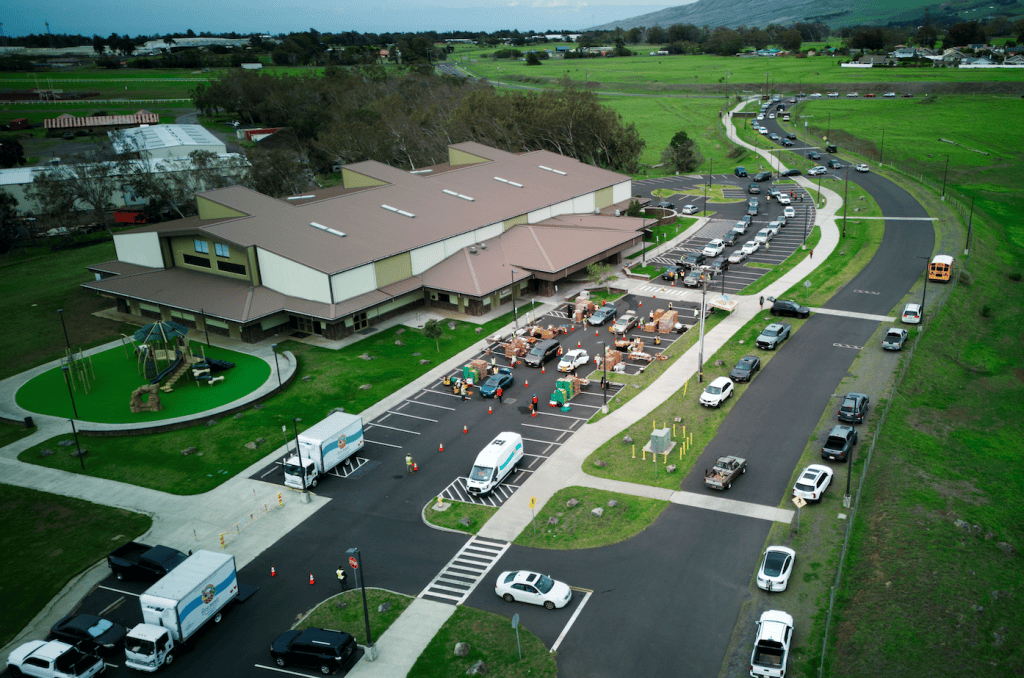
Within this urgent context, the Hawaiʻi State Legislature is considering House Bill 2208, the Farm to Families bill. This legislation offers a powerful, strategic, and commonsense solution that directly addresses the dual challenges of food insecurity and economic vulnerability.
HB 2208 is not another welfare program; it is a vital investment in our local economy and community resilience.
We have already witnessed this model’s success. During the height of Covid-19, partnerships between The Food Basket Inc, Hawaiʻi Island’s Food Bank, and local growers were a lifeline that sustained farms while feeding tens of thousands of residents. The Farm to Families legislation builds on this proven success by creating a permanent bridge between local agricultural abundance and community need.
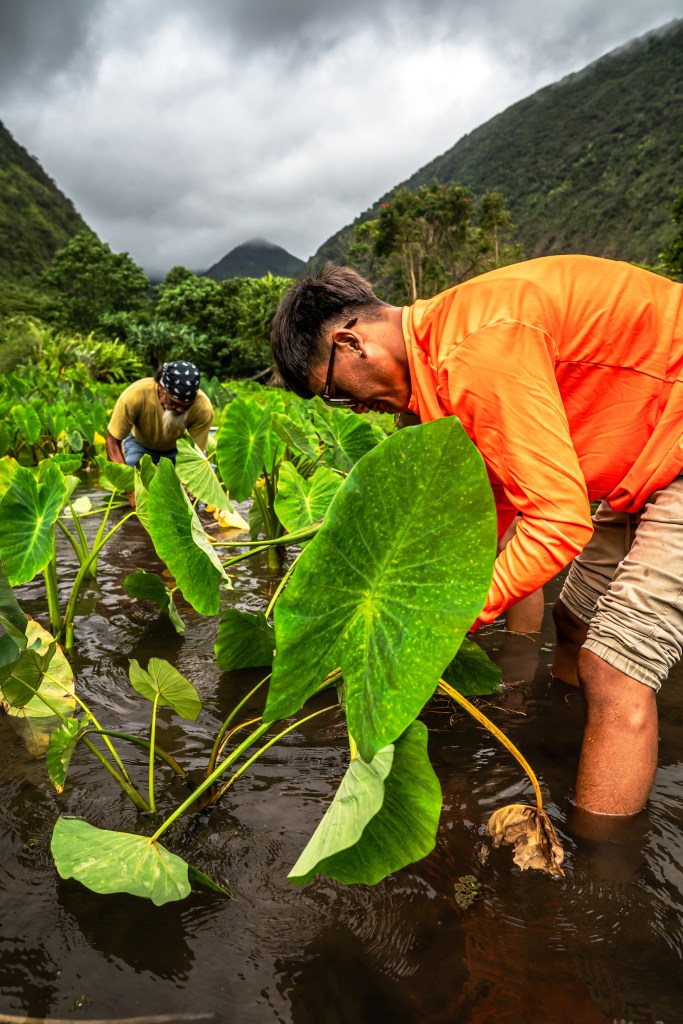
HB 2208 establishes a grant program that enables Hawaiʻi’s food banks to purchase fresh, locally grown food directly from our island’s farmers, ranchers, and producers. The result is a stable, predictable marketplace for our agricultural sector that injects state dollars directly into our local economy. It empowers farmers to expand operations, diversify crops, and build a more robust and self-sufficient food system for our entire state.
For families in need, the program ensures a consistent supply of fresh, nutritious, and culturally relevant food at no cost. As federal support for food assistance programs is cut, the strain on local food banks has become untenable.
Demand now exceeds pandemic-era levels. We cannot wait for outside help. We must build our own solutions.
The Farm to Families bill is that solution. It is win-win: farmers gain a reliable market, our economy retains and circulates local dollars, and vulnerable families gain access to the healthy food they need to thrive.
This is more than a food bill; it is an investment in the health of our people, the strength of our economy, and the resilience of our island.
We urge the Legislature to fund House Bill 2208 and build this essential bridge from local farms to local families. The future of Hawaiʻi Island depends on it.
 Sign up for our FREE morning newsletter and face each day more informed.
Community Voices aims to encourage broad discussion on many topics of community interest. It’s kind of a cross between Letters to the Editor and op-eds. This is your space to talk about important issues or interesting people who are making a difference in our world. Column lengths should be no more than 800 words and we need a photo of the author and a bio. We welcome video commentary and other multimedia formats. Send to news@civilbeat.org. The opinions and information expressed in Community Voices are solely those of the authors and not Civil Beat.
Read this next:
Local reporting when you need it most
Support timely, accurate, independent journalism.
Honolulu Civil Beat is a nonprofit organization, and your donation helps us produce local reporting that serves all of Hawaii.
ContributeAbout the Author