Guardrails Needed If LNG Is To Work In Hawaiʻi
If liquefied natural gas proponents believe their case is strong, they should be willing to meet these standards.
March 1, 2026 · 3 min read

About the Author

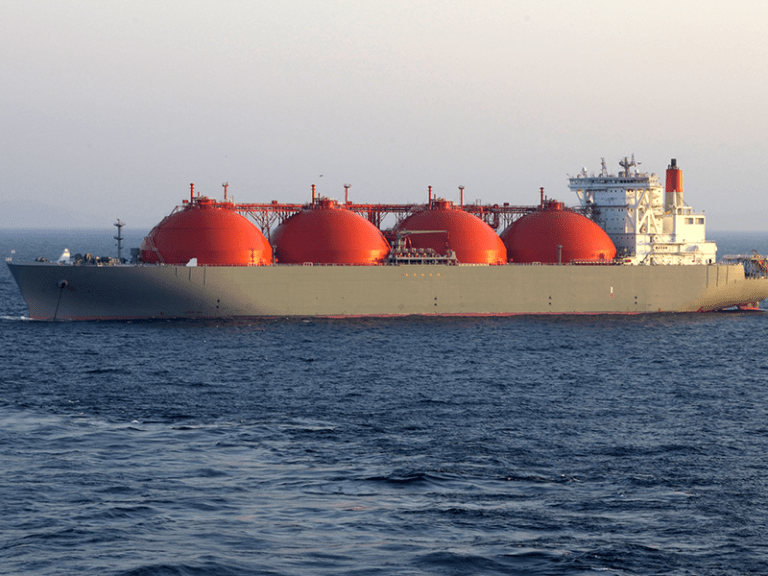
Discussion continues in Hawaiʻi about allowing the use of liquefied natural gas, an imported fossil fuel, although we are stuck in a loop of hearing about the potential benefits of LNG without any concrete proposal that would allow us to inject some reality into the conversation.
Proponents of LNG argue that its use could reduce costs and pollution and serve as a “bridge fuel” as we transition to renewable energy. They assure us it will be cheaper and cleaner.
They assure us that we will continue aggressively developing local resources like geothermal and solar. They say our clean energy goals will not be affected.

But promises like these need to be more than just words.
As chair of the House Energy and Environmental Protection Committee, I passed a bill (House Bill 1568) out of my committee with amendments that would establish reasonable guardrails around any potential LNG proposal. The bill does not ban LNG. It does not foreclose discussion.
Instead, it sets clear conditions to ensure that ratepayers, not utility shareholders or fuel suppliers, are protected if LNG is considered.
HB 1568 would help to assure that families and businesses would not be stuck paying for stranded infrastructure when the use of LNG becomes obsolete.
It would guard ratepayers from volatile global markets for fossil fuels, where prices can skyrocket due to events beyond our control.
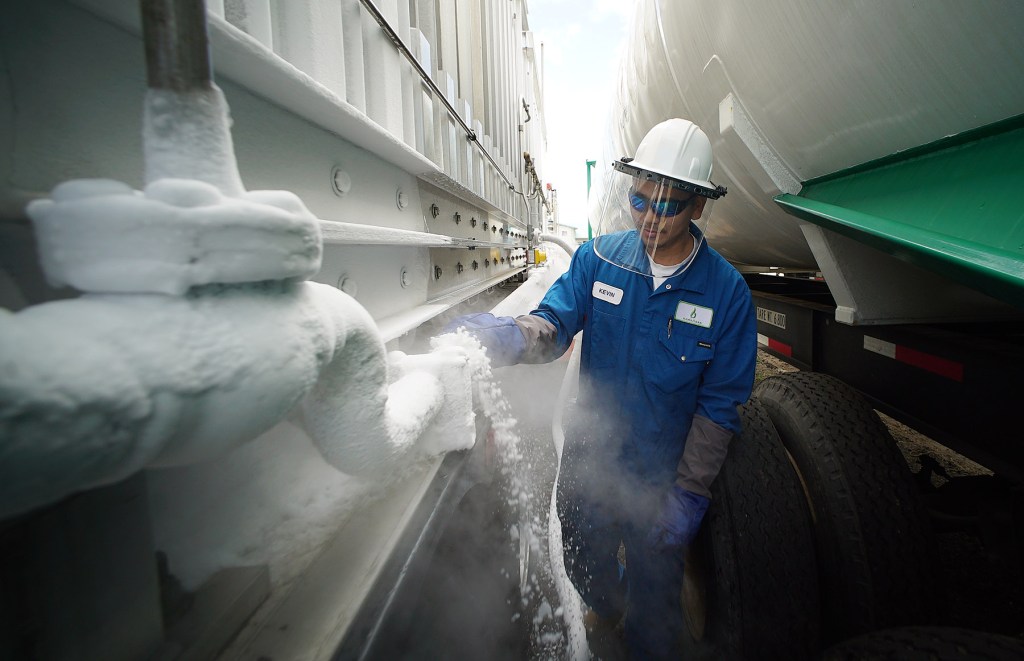
It would ensure that the utility would not be locked into “take-or-pay” contracts that would prevent the deployment of cheaper, cleaner energy when it becomes available.
The bill also directs the Public Utilities Commission to carefully consider other risks that deserve transparency: dependence on a monopoly fuel supplier, the cost of diverting investment away from local renewable resources like geothermal and solar, and potential impacts to neighbor island energy systems and costs.
These are not radical provisions. They are prudent safeguards for the residents of Hawaiʻi.
What HB 1568 would prevent is something Hawaiʻi cannot afford: locking ourselves into decades-long fossil fuel contracts that outlive their usefulness, undermine our renewable energy mandate, and increase costs.
Large fossil fuel infrastructure projects are not neutral investments. Once built, they create financial and regulatory pressure to justify their continued use even if cleaner, cheaper alternatives emerge.
At a minimum, the public deserves a transparent, rigorous examination of LNG’s true costs and risks and its long-term impacts on our economy, climate commitments, and energy independence. HB 1568 simply says: if LNG proponents believe their case is strong, they should be willing to meet these standards.
Unfortunately, this measure to ensure that Hawaiʻi families and businesses are not saddled with unnecessary risks and costs is now dead. That is concerning.
If we are serious about protecting ratepayers, we should welcome a discussion about the risks associated with LNG, not avoid it.
Hawaiʻi’s energy future is too important to decide on assurances alone. If LNG is truly the right path, its proponents should be able to withstand open and honest discussion and answer difficult questions.
If they cannot, we should think carefully before asking ratepayers to bear the risk.
 Sign up for our FREE morning newsletter and face each day more informed.
Read this next:

Local reporting when you need it most
Support timely, accurate, independent journalism.
Honolulu Civil Beat is a nonprofit organization, and your donation helps us produce local reporting that serves all of Hawaii.
ContributeAbout the Author