Hawaiʻi’s Most Vulnerable Patients Deserve Better Than A Shortcut
Psychiatric prescribing is not simply matching a diagnosis to a medication.
March 5, 2026 · 5 min read

About the Author
A recent essay in Civil Beat argues that denying psychologists prescriptive authority is “no longer a neutral stance.”
But the essay sidesteps the harder question: whether granting psychologists the authority to prescribe psychotropic medications — on the basis of a two-year postdoctoral certificate program — actually serves the patients it claims to help, or whether it creates a cheaper, riskier tier of care for the people who can least afford it.
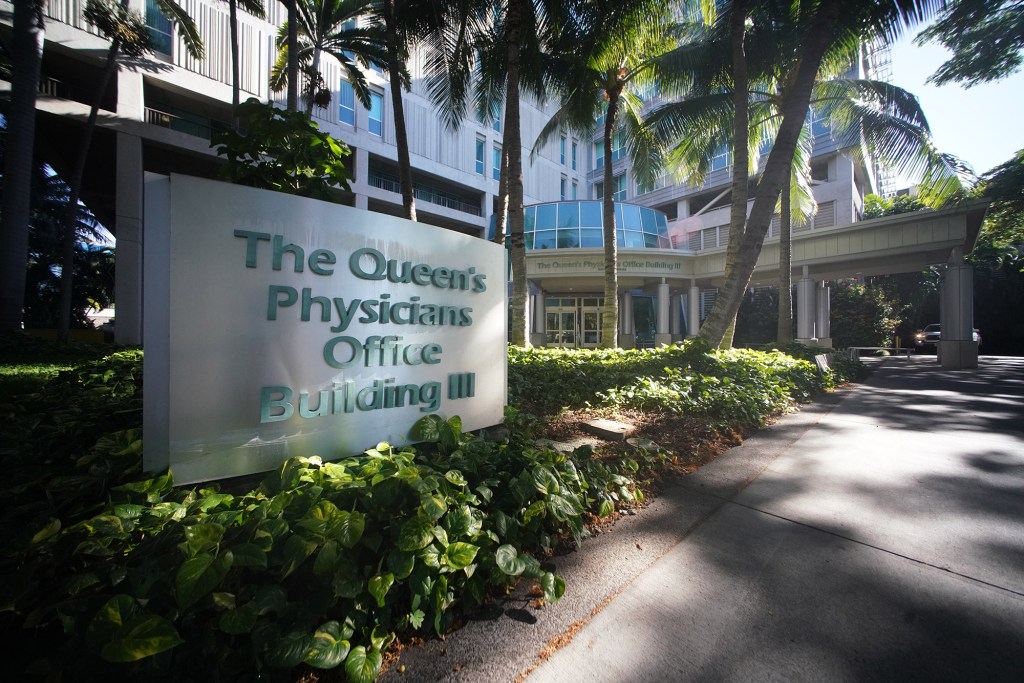
I spent five years directing the psychiatric emergency department at The Queen’s Medical Center and a year providing remote psychiatric care for the Kauaʻi Community Mental Health Center. In that time, I never once evaluated a patient whose crisis was caused by the inability to get a psychiatric appointment.

Ideas showcases stories, opinion and analysis about Hawaiʻi, from the state’s sharpest thinkers, to stretch our collective thinking about a problem or an issue. Email news@civilbeat.org to submit an idea or an essay.
The people who came through our doors — and the people I treated remotely on Kauaʻi — arrived in crisis for far more complicated reasons: active substance use disorders, medication non-adherence, homelessness, anosognosia, loss of social supports, medical comorbidity, and disengagement from care systems that were available but unable to reach them.
The implication that untreated mental illness on the streets of Chinatown and Ala Moana Boulevard is the result of a prescriber shortage fundamentally misdiagnoses the problem. The individuals most visibly suffering are typically the hardest to engage in any outpatient treatment relationship — and granting a psychologist a prescription pad will not change that.
The constraints on prescribing exist for a reason. Psychiatric prescribing is not simply matching a diagnosis to a medication. It requires the ability to perform and interpret a physical examination, to recognize when psychiatric symptoms are being caused or complicated by medical conditions, to order and interpret laboratory studies, and to manage the pharmacokinetic and pharmacodynamic complexity of polypharmacy in medically ill patients.
Consider hypothyroidism — a condition the Hawaiʻi Legislature itself recognized as medically significant in 2024 when it adopted Senate Concurrent Resolution 34, requesting the Hawaiʻi Medical Association and the Hawaiʻi Psychiatric Medical Association to convene a roundtable to ensure that thyroid function is tested before psychotropic medications are prescribed.
Hypothyroidism mimics major depression so convincingly that even experienced clinicians can be misled: depressed mood, fatigue, cognitive slowing, sleep disturbance, appetite changes. Prescribing an antidepressant to a patient with undiagnosed hypothyroidism is not just ineffective — it exposes the patient to unnecessary side effects while the actual condition goes untreated.
If the Legislature recognizes that even physicians need formalized protocols to ensure this screening happens, how can it simultaneously argue that psychologists with a two-year certificate are equipped to navigate this diagnostic terrain?
Recent Physician Workforce Assessments tell a story that prescriptive authority cannot solve. Hawaiʻi is short 768 physician full-time equivalents statewide when island geography is factored in — a 21% shortage overall. In 2024 alone, 91 physicians retired, 10 died, and 174 left the state.
The crisis is real. But it is not unique to psychiatry. Child gastroenterology is 81% short. Adult endocrinology is 60% short. Adult pulmonology is 57% short. Thoracic surgery and colorectal surgery are each 56% short. Primary care — the foundation of all medical access — is missing 152 FTEs.
No one is proposing that we let psychologists perform endoscopies on children or operate on lungs. Yet the Legislature is being asked to lower the standard of care for psychiatry alone — not because the shortage is the worst, but because a well-organized lobbying effort has framed it that way.
If the principle is that workforce shortages justify reducing training requirements for prescribers, that principle should apply to every shortage on the list. It does not, because everyone understands that the answer to a surgical shortage is training more surgeons — not handing scalpels to people with less training.
Hawaiʻi’s most vulnerable patients deserve access to the highest standard of care.
There is a profound equity issue embedded in this proposal. Prescriptive authority creates a two-tier system: patients with resources and insurance will continue to see psychiatrists with four years of medical school, four years of residency, and board certification. Patients on Medicaid, patients in rural communities, patients in federally qualified health centers will be routed to providers with a fraction of that training.
Framing this as “expanded access” obscures what it actually is — a cheaper substitute for the investment that Hawaiʻi’s underserved communities actually need.
If the Legislature is serious about closing the access gap, there are proven alternatives that do not require lowering the standard of care: increase Medicaid reimbursement rates so that psychiatrists will accept public insurance; continue to build on the $30 million HELP loan repayment program that has already funded 800 healthcare providers; expand collaborative care models that embed psychiatric consultation within primary care; invest in telehealth infrastructure that connects patients to board-certified psychiatrists regardless of geography; and support the pipeline of local residents into psychiatric residency training.
Hawaiʻi’s most vulnerable patients deserve access to the highest standard of care — not a legislative shortcut that saves money by lowering the bar.
 Sign up for our FREE morning newsletter and face each day more informed.
Community Voices aims to encourage broad discussion on many topics of community interest. It’s kind of a cross between Letters to the Editor and op-eds. This is your space to talk about important issues or interesting people who are making a difference in our world. Column lengths should be no more than 800 words and we need a photo of the author and a bio. We welcome video commentary and other multimedia formats. Send to news@civilbeat.org. The opinions and information expressed in Community Voices are solely those of the authors and not Civil Beat.
Read this next:

Local reporting when you need it most
Support timely, accurate, independent journalism.
Honolulu Civil Beat is a nonprofit organization, and your donation helps us produce local reporting that serves all of Hawaii.
ContributeAbout the Author