Hawaiʻi’ Should End Aquarium Collection Once And For All
Reef fish belong in the ocean, not in far-off fish tanks. Tell your elected officials.
March 3, 2026 · 4 min read

About the Authors

Most people living in Hawaiʻi agree that reef fish should not be captured and sold as aquarium pets. Last year, a poll showed that 84% of Oʻahu and Hawaiʻi Island residents support a ban. In today’s world, that’s a rare consensus that reef fish belong in the ocean, not in far-off fish tanks.
This is the session for our elected leaders to heed the public will and pass a statewide ban on all commercial aquarium collection. Recent court rulings to protect reef fish from the aquarium industry mean that no commercial collection has occurred in West Hawaiʻi since 2017 or anywhere else in the state since 2021. A ban imposed now would not interrupt any legal collection.
At one point, the Board of Land and Natural Resources agreed with the people. In 2023, they voted unanimously to begin the process to ban commercial aquarium collection across the pae ‘āina, but industry advocates stalled that decision.

Ideas showcases stories, opinion and analysis about Hawaiʻi, from the state’s sharpest thinkers, to stretch our collective thinking about a problem or an issue. Email news@civilbeat.org to submit an idea or an essay.
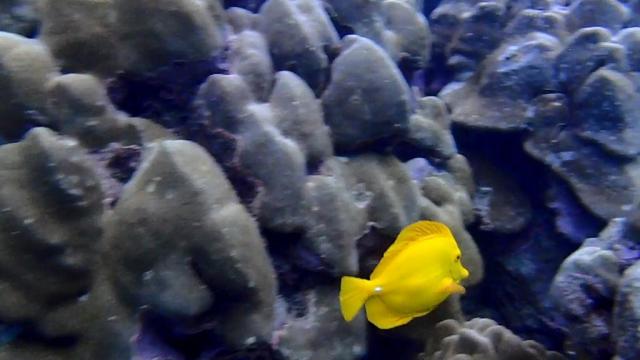
Now, BLNR is poised to issue new commercial aquarium collection permits, starting with West Hawai‘i. This puts species like the lauʻīpala (yellow tang) — the most heavily targeted fish species in Hawai’i — at extreme risk. Under BLNR’s plan, up to 100,000 could be captured every year. While this species can live more than 40 years in the wild, most fish held in home aquariums die within the first year of captivity.
Despite the industry’s claim that this destructive practice supports the economy, the majority of money generated by the aquarium pet business is made outside of the Hawaiian Islands. Even worse, it is costing us all money because the cost of managing commercial aquarium collection far outweighs its revenues to the state.
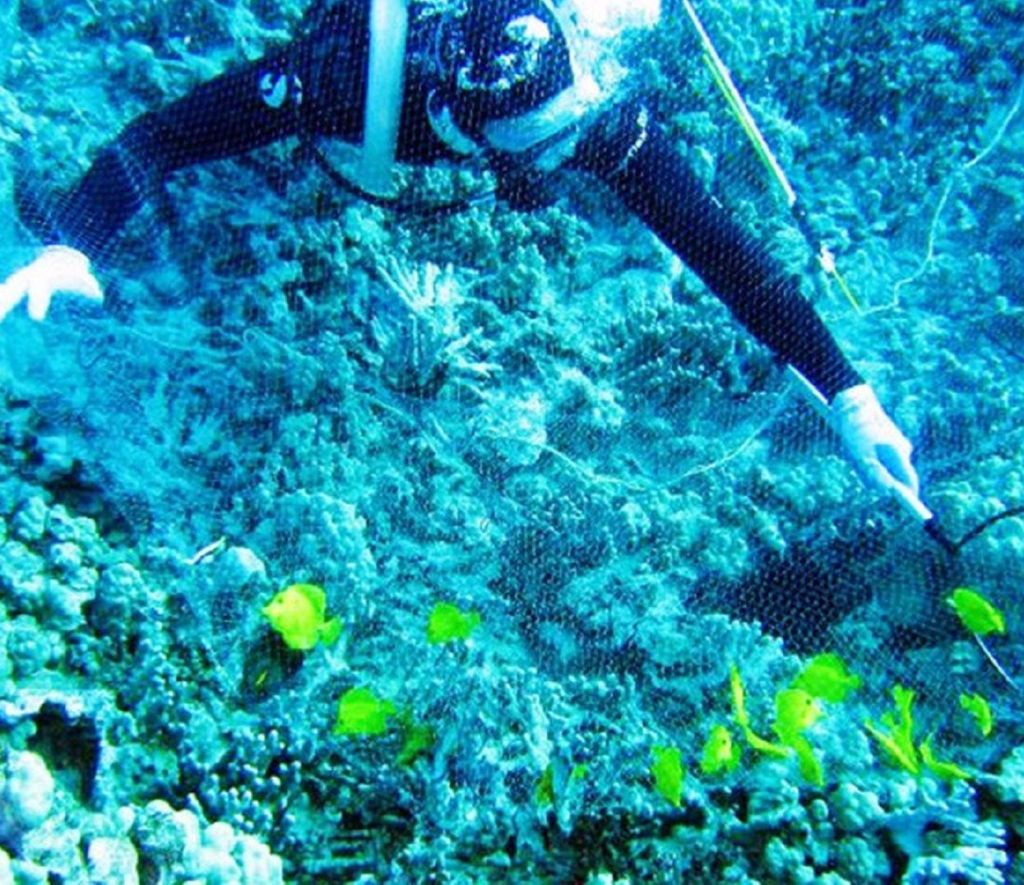
This industry is simply not sustainable. Reef species targeted by commercial aquarium collectors perform essential ecological functions for Hawai‘i’s reefs, including algal grazing, parasite removal, and nutrient cycling.
Commercial aquarium collection reduces the number and diversity of species, weakening the reef’s overall resilience to climate stressors such as coral bleaching and disease. Recent studies confirm that our reefs have still not rebounded from decades of excessive harvesting by this industry since it was first authorized during the territory.
Beyond the direct impacts on our reefs, lawai‘a pono practitioners are taught to catch only what they’re going to eat. Allowing commercial capture and export of reef wildlife for ornamental pets is directly at odds with Hawaiian values and the state’s constitutional obligations to protect traditional and customary fishing practices and public trust resources.
We should not allow our government to bow to industry pressure from afar. The state Legislature has an opportunity this session to protect Hawaiʻi’s reef fish from aquarium collection under state law. Please join us in urging them to heed the public consensus and pass a ban this year.
The Legislature wouldn’t be acting alone: the Kaua‘i and Hawai‘i county councils, neighborhood boards in Waimānalo, Kailua, Kāne‘ohe, and Kahalu‘u, as well as the Ko‘olau Foundation, the Association of Hawaiian Civic Clubs, and the Kāne‘ohe Bay Regional Council, all passed resolutions urging a statewide legislative ban.
The state should focus its limited resources on programs that benefit Hawai‘i’s reefs and people instead of subsidizing an extractive industry that primarily benefits businesses outside of Hawai’i. Besides, better alternatives already exist.
For example, lau‘ipala are now available to consumers from a Waimānalo aquaculture facility, providing a reef-safe alternative to wild-caught fish. Aquacultured fish are better adapted to life in captivity than wild-caught fish and reef ecosystems are protected.
Let’s protect Hawaiʻi’s reefs from commercial collection once and for all: tell your elected officials to support the aquarium collection ban this session.
 Sign up for our FREE morning newsletter and face each day more informed.
Community Voices aims to encourage broad discussion on many topics of community interest. It’s kind of a cross between Letters to the Editor and op-eds. This is your space to talk about important issues or interesting people who are making a difference in our world. Column lengths should be no more than 800 words and we need a photo of the author and a bio. We welcome video commentary and other multimedia formats. Send to news@civilbeat.org. The opinions and information expressed in Community Voices are solely those of the authors and not Civil Beat.
Read this next:

Local reporting when you need it most
Support timely, accurate, independent journalism.
Honolulu Civil Beat is a nonprofit organization, and your donation helps us produce local reporting that serves all of Hawaii.
ContributeAbout the Authors