Hawaiʻi Can’t Afford To Wait For A Perfect Energy Solution
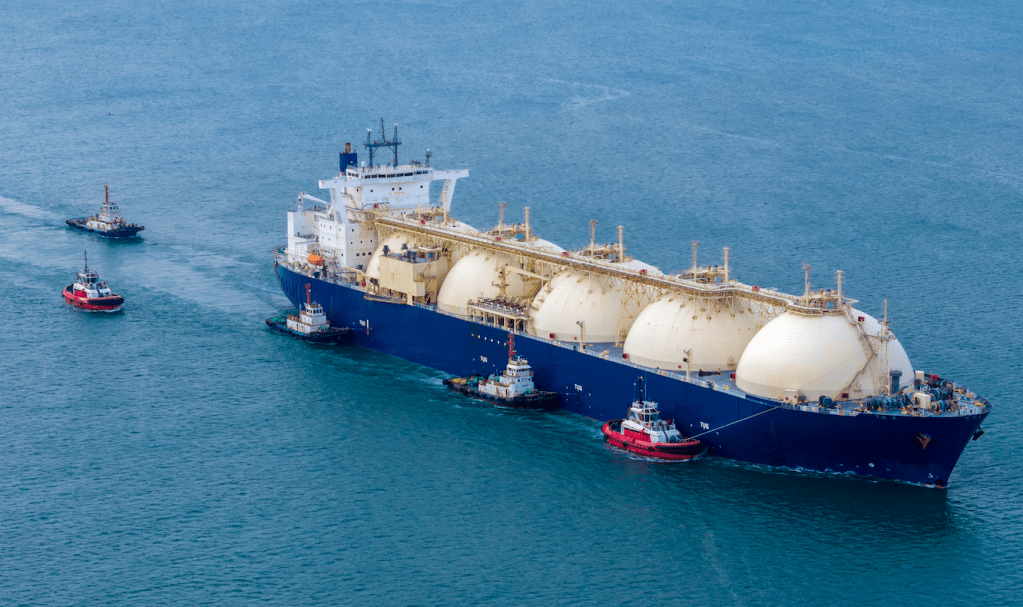
LNG has been shown to lower costs, improve grid flexibility and reduce emissions compared to the oil we currently burn.
April 24, 2026 · 4 min read

About the Author

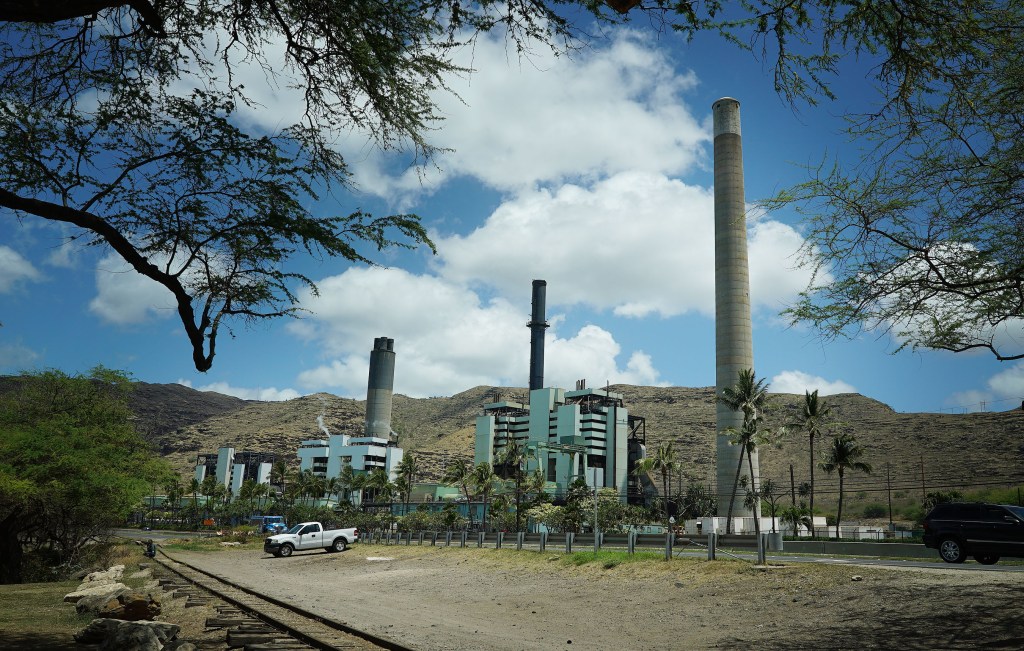
I have spent my entire life in Waiʻanae and can hardly remember a time when the Kahe Power Plant did not exist. It is an unmistakable landmark on Oʻahu’s west side since 1963. It has reliably powered Oʻahu, yet brought pollution to our community for generations. We all agree that the future must be cleaner.
The Kahe Power Plant and other oil-burning facilities will eventually close. The question is not whether we transition, it is how we do so without making life more difficult for local families.
That means keeping all viable options on the table. I strongly support Hawaiʻi’s goal of 100% renewable energy. That is where we must go. But we are not there yet. Our grid still requires firm, reliable power as we continue to add solar and wind. Until large scale storage is fully built out and proven at scale, that need does not go away.

Some have argued that we should not even consider liquefied natural gas. That perspective doesn’t do justice to the gravity of the challenge before us. If our priority is to reduce energy costs and get to 100% renewables as soon as possible, we should evaluate every available option.
LNG has been shown to lower costs, improve grid flexibility and reduce emissions compared to the oil we currently burn. Dismissing it outright limits our ability to make informed, responsible decisions. Good public policy requires discipline, honesty and weighing trade-offs.
If we reject LNG, we are not choosing between LNG and renewable energy. We are choosing between LNG and continued reliance on oil, with all the costs and impacts that come with it. I have spent my career advocating for Native Hawaiian rights and environmental stewardship. I do not support LNG casually.
But I also understand the daily realities facing families across Hawaiʻi where households are struggling with high electric bills, kūpuna are forced to make difficult choices and working people are leaving Hawaiʻi because the cost of living has become unsustainable. As we move away from oil and build toward a renewable future, we need a practical path forward that maintains reliability, stabilizes costs and reduces near-term impacts.
A carefully structured, time-limited LNG strategy can serve that purpose. It can help retire oil-fired generation, create a system that can transition to cleaner fuels over time, and carry us to the renewable system we are all working to achieve.
That approach must come with clear conditions. Any use of LNG must be aligned with Hawaiʻi’s long-term renewable energy goals. It has to include strong safeguards to address methane emissions and ensure that environmental benefits are real and measurable. It should also deliver tangible benefits to the communities that have long since carried the weight of energy production for the island.
West Oʻahu has borne that burden for decades. Any transition must include investment in these communities through jobs, environmental mitigation and long-term economic opportunity. Equally important is public trust.
The people of Hawaiʻi have a constitutional right to a clean and healthful environment. Any LNG strategy must meet that standard through transparency, accountability and enforceable commitments. Hawaiʻi cannot afford to wait for a perfect energy solution.
The transition to renewable energy is well underway, but it is still a work in progress. In the meantime, we must make difficult decisions that protect our environment and keep electricity costs down for our people.
A time-limited LNG strategy, carefully managed and held to our standards, can provide stability, affordability and environmental protection our residents deserve as we move decisively toward a renewable energy future.
 Sign up for our FREE morning newsletter and face each day more informed.
Community Voices aims to encourage broad discussion on many topics of community interest. It’s kind of a cross between Letters to the Editor and op-eds. This is your space to talk about important issues or interesting people who are making a difference in our world. Column lengths should be no more than 800 words and we need a photo of the author and a bio. We welcome video commentary and other multimedia formats. Send to news@civilbeat.org. The opinions and information expressed in Community Voices are solely those of the authors and not Civil Beat.

Local reporting when you need it most
Support timely, accurate, independent journalism.
Honolulu Civil Beat is a nonprofit organization, and your donation helps us produce local reporting that serves all of Hawaii.
ContributeAbout the Author