Hawaiʻi’s Hemp Crackdown And The Illusion Of Public Safety
The state has adopted a “total THC” interpretation that effectively criminalizes certain hemp-derived products.
April 17, 2026 · 3 min read

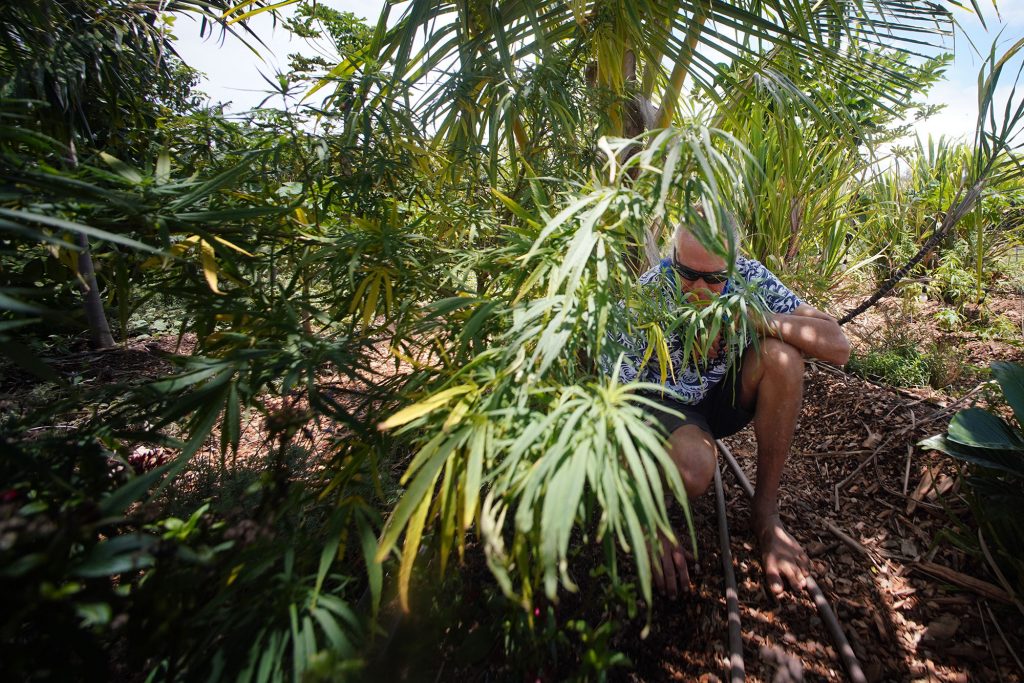
About the Author

Hawaiʻi faces serious and well-documented public health threats. Overdoses involving methamphetamine and fentanyl continue to devastate families across the islands. These are genuine crises that demand attention, resources and sustained policy focus.
Yet if one looks closely at where significant enforcement attention is currently directed, one might conclude that Hawaiʻi’s most urgent public safety threat is federally legal hemp.
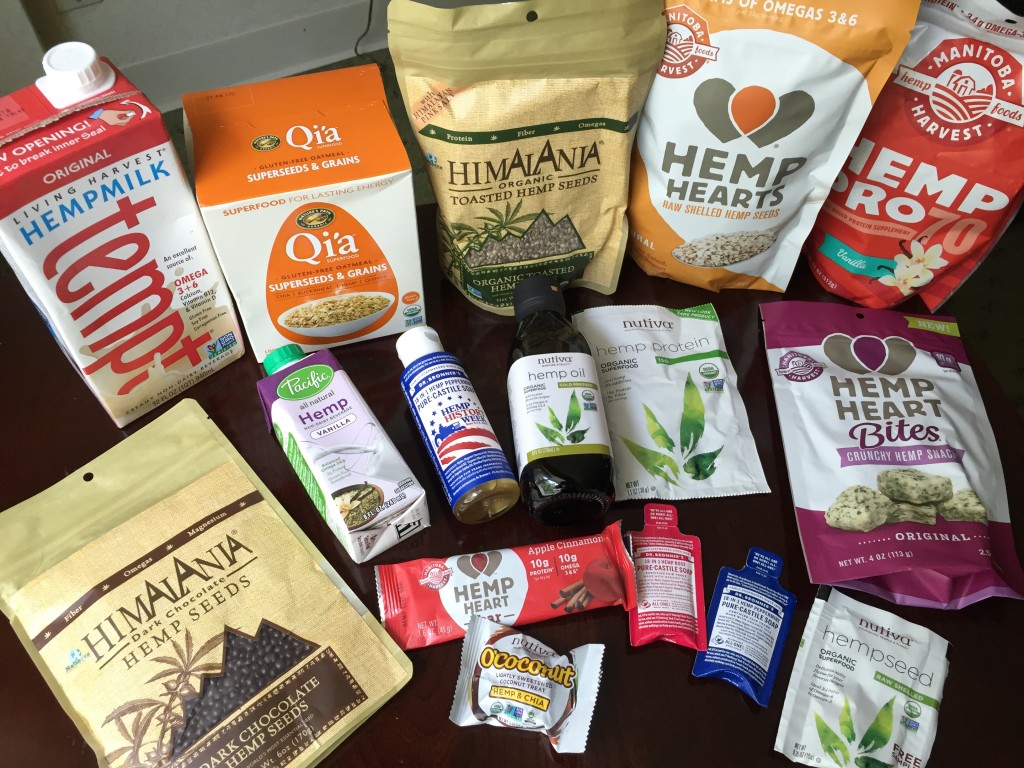
Under the federal Agriculture Improvement Act of 2018, hemp containing less than 0.3% Delta-9 THC was legalized nationwide. Following that law, businesses across the country — including in Hawaiʻi — began operating within the federal framework. Retailers obtained business licenses, opened storefronts and paid taxes while selling hemp-derived products they believed were lawful under federal law.

For years, that market existed openly. Today, many of those same businesses face a drastically different regulatory environment.
Through enforcement of Act 269 and related regulations, Hawaiʻi has adopted a “total THC” interpretation that effectively criminalizes certain hemp-derived products even when they fall within the federal definition of hemp.
Retailers who once operated openly now face potential seizures, enforcement actions and significant legal uncertainty.
This conflict between federal legalization and state enforcement has now moved into the courts. The dispute is currently being litigated in Alyas v. Lopez, where the federal judiciary will ultimately determine whether Hawaiʻi’s regulatory approach is compatible with federal law and constitutional protections.
The policy debate surrounding hemp is legitimate and complex. Consumer safety concerns deserve serious consideration. Products containing cannabinoids should be subject to thoughtful regulation that includes clear labeling, responsible age restrictions and reliable product testing.
But effective regulation requires consistency.
When businesses operate for years under one legal interpretation and then suddenly face criminal penalties under a new one, the consequences ripple outward. Employees lose jobs. Storefronts close.
Entrepreneurs who believed they were following federal law suddenly find themselves navigating a dramatically altered regulatory landscape.
There are also broader public safety implications to consider. When compliant businesses are removed from the marketplace, consumer demand rarely disappears. Instead, that demand can shift toward informal or unregulated channels where product safety and transparency are far harder to ensure.
The policy debate surrounding hemp is legitimate and complex.
Responsible policy should aim to bring markets into the open where oversight is possible, not push them underground. Hawaiʻi faces enormous challenges: rising housing costs, infrastructure needs, and public health crises that affect communities across the state. Addressing those issues requires careful prioritization of public resources and regulatory attention.
None of this suggests hemp should exist without oversight. Sensible regulation is necessary in any emerging consumer market. But those regulations should be clear, predictable and aligned with the legal framework established by Congress.
Ultimately, the courts will decide whether Hawaiʻi’s hemp policies can coexist with federal law. Regardless of the outcome, the broader discussion about how Hawaiʻi balances consumer protection, economic opportunity and regulatory clarity is one worth having.
 Sign up for our FREE morning newsletter and face each day more informed.
Community Voices aims to encourage broad discussion on many topics of community interest. It’s kind of a cross between Letters to the Editor and op-eds. This is your space to talk about important issues or interesting people who are making a difference in our world. Column lengths should be no more than 800 words and we need a photo of the author and a bio. We welcome video commentary and other multimedia formats. Send to news@civilbeat.org. The opinions and information expressed in Community Voices are solely those of the authors and not Civil Beat.
Read this next:

Local reporting when you need it most
Support timely, accurate, independent journalism.
Honolulu Civil Beat is a nonprofit organization, and your donation helps us produce local reporting that serves all of Hawaii.
ContributeAbout the Author