Maui AIDS Foundation At Risk Of Losing Money In Trump Budget
The president’s budget denounced the nonprofit as radical while proposing the funding cuts.
The Maui AIDS Foundation is asking for extra county support in next year’s budget as it braces for expected federal funding cuts tied to President Donald Trump’s crusade against programs that promote diversity, equity and inclusion.
The Wailuku-based nonprofit’s housing program for neighbor island residents living with HIV or AIDS received $1.5 million in 2023 from the U.S. Department of Housing and Urban Development — money the foundation has stretched through this year. Trump’s proposed budget for fiscal year 2027 seeks to eliminate federal funding opportunities for such programs, and the Maui AIDS Foundation was identified as one of the “radical” nonprofits that peddles “divisive, woke identity politics.”
Daniel Southmayd, the organization’s housing director, told Civil Beat that the Maui AIDS Foundation is apolitical, so he was stunned to find out.
“My jaw actually dropped,” he said. “It just blew me away. I had to read it three times and check that this really was a federal budget.”

The Maui County Council is still reviewing Mayor Richard Bissen’s $1.6 billion proposed budget for next fiscal year, which starts July 1. The council will make any changes in the coming weeks as it goes department by department, evaluating the spending requests. The Maui AIDS Foundation has historically been awarded county and state funding, and the group is expecting to receive $361,000 from the county’s Department of Human Concerns to support its harm reduction program and other support services in the coming fiscal year.
Southmayd and several other Maui AIDS Foundation representatives told the council earlier this month that the nonprofit’s housing program was in serious jeopardy because it is 100% reliant on federal funding that the Trump administration is seeking to eliminate. If federal cuts are approved, the group would be forced to end the program even though the need for that service has only increased. County support is wanted “now more than ever,” Southmayd said in his testimony, adding that the nonprofit is also pursuing other grants to shore up resources.
Council member Gabe Johnson, who represents Lānaʻi, said figuring out a way to allocate an additional $150,000 next fiscal year to the Maui AIDS Foundation was one of the priorities that he planned to present to other council members during their budget deliberations. The additional money would not affect the outcome of the housing program, but it would cover administrative costs and some direct services, according to a request submitted to the council by the nonprofit’s executive director, Linda Puppolo.
“I’m sure we can find $150,000 in a $1.6 billion budget. There’s fat to trim if we need to,” Johnson said. “These types of nonprofits are doing things that are important for our community, and they need to be funded.”
Trump’s budget would eliminate the federal government’s Housing Opportunities for Persons With AIDS program, which the Maui AIDS Foundation has long used to subsidize housing costs for residents who have HIV or AIDS across Maui, Kaua‘i and Hawaiʻi counties, according to Puppolo. For those who receive those subsidies, the consequences of the cuts could be devastating, she said.
“This will literally put people out of homes,” she said, explaining that the nonprofit would be forced to end its housing program. “There will be evictions.”
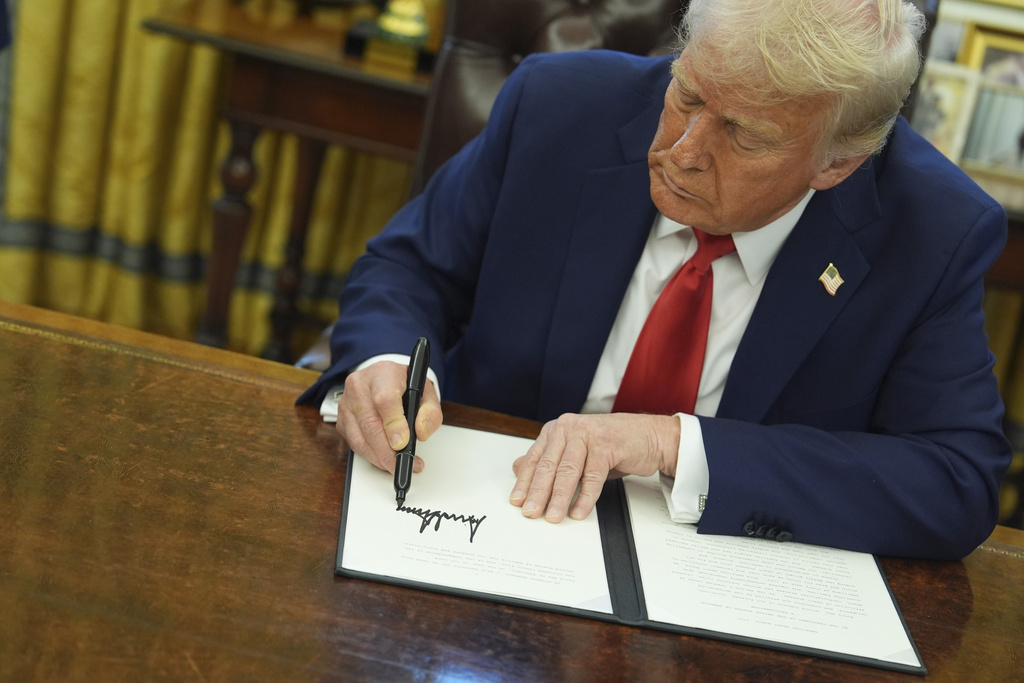
The Housing Opportunities for Persons With AIDS program, or HOPWA, has for decades funded housing programs across the country intended to help people with HIV or AIDS maintain their treatment regimens and mitigate risks associated with the disease. Trump’s budget proposal says the program is no longer necessary because recent advancements in medical care have significantly improved outcomes for people with HIV.
HOPWA funding currently accounts for nearly a quarter of the Maui AIDS Foundation’s total budget, according to information provided by Puppolo.
Individuals with HIV who are homeless or at risk of becoming homeless could still be served through the Emergency Solutions Grant program, which funds transitional housing programs intended to help people until they find a more permanent place to live, Trump’s budget proposal says. The Trump administration estimates $529 million in total savings from eliminating the HOPWA program nationwide.
Many of the people who rely on subsidies from the Maui AIDS Foundation are elderly or disabled, and they may live off of a very low fixed income, according to Southmayd. Even people who effectively manage their HIV and have undetectable levels of the virus often suffer from chronic inflammation or have other diseases that make it difficult for them to continuously work or earn a living wage, which means having access to long-term assistance is critical, he said.
“A lot of people are not able-bodied, and having consistent housing helps these people that have compromised immune systems adhere to their medicine because they have a place to put it,” Southmayd said. “If they can’t work and they can’t make money and they are living on Social Security payments of $1,100 per month, where are they going to live in Maui County?”
He added, “My fear is that they would be evicted, they would be on the street, they wouldn’t adhere to their medication and they would die, probably alone.”
The subsidies that the Maui AIDS Foundation administers are income-dependent, Puppolo said. Currently, 52 of the 158 Hawaiʻi residents served by the nonprofit benefit from the housing program. There were 497 people with HIV/AIDS living in Maui County as of 2023, she said.
“There’s two main criteria to getting a HOPWA subsidy: you have to have a diagnosis of HIV, and you have to meet the income qualification. That’s it,” she said.
If some residents with HIV/AIDS become homeless and are no longer able to keep up with their treatment, that could eventually affect the entire community, Puppolo said.
“They are sick and now they might not adhere to their medicine. Now they can give somebody HIV. What this could do is create a ripple effect in the county,” she said. “It’s dangerous not having housing.”
‘What People Deserve’
The Maui AIDS Foundation has worked hard over the past several years to support community members with HIV or AIDS and connect them with housing, mental and physical healthcare, free sexually transmitted infection screenings and other resources, according to Puppolo. Nonprofit employees have done outreach at homeless encampments, the Maui Community Correctional Center, drug treatment centers and the Wailuku CHAMP methadone clinic to spread the word about their services and inform as many people as possible about the steps they can take to reduce the spread of HIV, she said.
These efforts have been extremely effective, she said, and the past two years have been the first time since the Maui AIDS Foundation was formed in 1986 that the nonprofit reported no new instances of HIV transmission. Puppolo said she worried that progress could be undone if Trump’s proposed cuts are approved and dozens of people with HIV/AIDS are uprooted and forced to find new places to live, especially given the region’s extremely high cost of living, limited local employment options, a housing shortage and economic instability due to recent flooding and the 2023 wildfires.
“It’s rough out there, and a lot of people that I know in Kīhei that have jobs are not working right now because of the flooding,” she said. “I just know how hard it would be for everybody. I will continue to write grants, and I will continue to look for funding to help every single person get what they need to live a dignified and comfortable and healthy life, because that’s what people deserve.”
In his budget proposal, the president also derided the Maui AIDS Foundation for providing community members with free condoms and other safe sex supplies, and he claimed that the group hosts “support groups for ‘young gay and bisexual men of color.’” The group does not currently host any support groups, and they do not limit any of their services based on race, gender or sexual orientation, Puppolo said.
Both Puppolo and Southmayd said they were concerned that the language used to justify the proposed elimination of HOPWA would contribute to misconceptions that HIV/AIDS only affects people who are LGBTQ+.
HIV is transmitted through contact with infected blood, most often through sexual intercourse or reusing intravenous needles. Anyone can contract HIV, regardless of race, gender or sexual orientation.
Congress is currently reviewing Trump’s budget request. The deadline is Oct. 1 to avoid a government shutdown.
Civil Beat’s health access reporting is supported in part by the Atherton Family Foundation.