Honolulu Needs Wastewater Compliance, Not Blind Spending
The city must choose a path that can satisfy federal law, the consent decree and environmental protection requirements.
May 24, 2026 · 7 min read

About the Authors


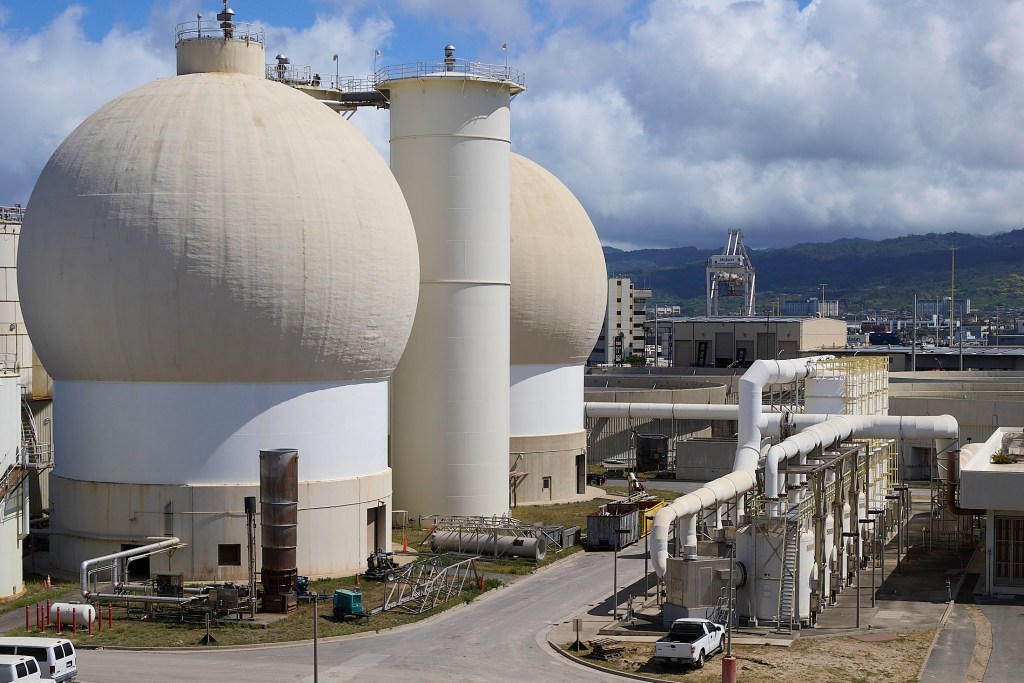
Honolulu’s Sand Island Wastewater Treatment Plant is one of Hawai‘i’s most important infrastructure disputes. The surface question is technical: Should the city upgrade its largest wastewater plant from primary to secondary treatment? The real controversy is broader. It involves environmental science, federal law, public trust, multibillion-dollar costs and Honolulu’s compliance path.
For decades, Hawai‘i argued that its deep-ocean discharge conditions differed from the mainland. Sand Island sends treated effluent offshore through an ocean outfall, where dilution and marine mixing were said to reduce environmental risks. Earlier monitoring in the 1980s did not consistently show major ecological damage from primary-treated discharge. That helped sustain the view that Hawai‘i deserved special treatment under federal wastewater rules.
But that argument failed. Federal regulators concluded that Honolulu had not shown that continued primary treatment would protect marine life and public health. The result was a binding 2010 consent decree requiring the city undertake secondary treatment by 2035.
The issue now is how Honolulu can meet its legal and environmental duties without imposing unnecessary costs on ratepayers.

Why Secondary Treatment Became The Standard
Under the Clean Water Act, secondary treatment is the normal baseline for municipal wastewater systems. Primary treatment mainly removes settleable solids and floating material. Secondary treatment adds biological processes that further reduce organic pollution, suspended solids, pathogens and nutrient impacts.
Hawai‘i’s case was unusual because the state argued that offshore discharge and large dilution capacity made full secondary treatment less necessary. The problem is that dilution does not remove toxicity, nutrients, bacteria, or persistent hazardous compounds.
Why EPA Withdrew The Exemption
EPA’s 2009 decision to withdraw Sand Island’s waiver did not rest simply on ordinary treatment indicators. The agency’s deeper concern was that Honolulu had not shown continued primary discharge would avoid unacceptable risk.
EPA focused on ammonia nitrogen, bacterial concerns, whole-effluent toxicity, and chlordane and dieldrin in receiving waters. Ammonia can contribute to aquatic toxicity and nutrient stress. Whole-effluent toxicity testing asks whether the effluent, as a combined mixture, produces harmful biological effects.
The pesticide-related compounds were especially troubling: Chlordane values exceed permitted standards in every test, while dieldrin came in at about 1,200 times higher than standards. They raise toxicological and carcinogenic questions for Māmala Bay, Ala Moana and Waikīkī.
Once such pollutants enter the discussion, “primary treatment plus dilution” weakens. Honolulu’s burden was not merely to show that the ocean did not look visibly damaged. It had to show that the discharge met standards designed to protect aquatic life, public health, and public trust resources.
The Ocean Outfall Argument Has Limits
Opponents of a full secondary upgrade deserve a fair hearing. They argue that earlier marine monitoring did not show catastrophic harm around the outfall. They also point to Honolulu’s unusual ocean setting, where deep offshore discharge differs from many mainland systems.
They also argue that the price is enormous. The upgrade has been discussed in the range of roughly $2.3 billion to $2.5 billion. That cost will affect sewer fees, public borrowing and other civic priorities. For residents already facing high housing, utility and living costs, this is not small.
Some critics propose extending the ocean outfall farther offshore and below the thermocline to reduce mixing with surface waters used by swimmers, surfers, paddlers and other recreational users.
That idea may reduce some exposure pathways. But it is not treatment. An outfall extension can move or redistribute a plume; it does not reliably remove ammonia, neutralize toxicity, reduce bacterial risk or eliminate hazardous contaminants. It is plume management, not pollutant reduction. If the core regulatory concern is the pollutant profile itself, moving the discharge farther away does not solve the legal or environmental problem.
The Cost Problem Is Real
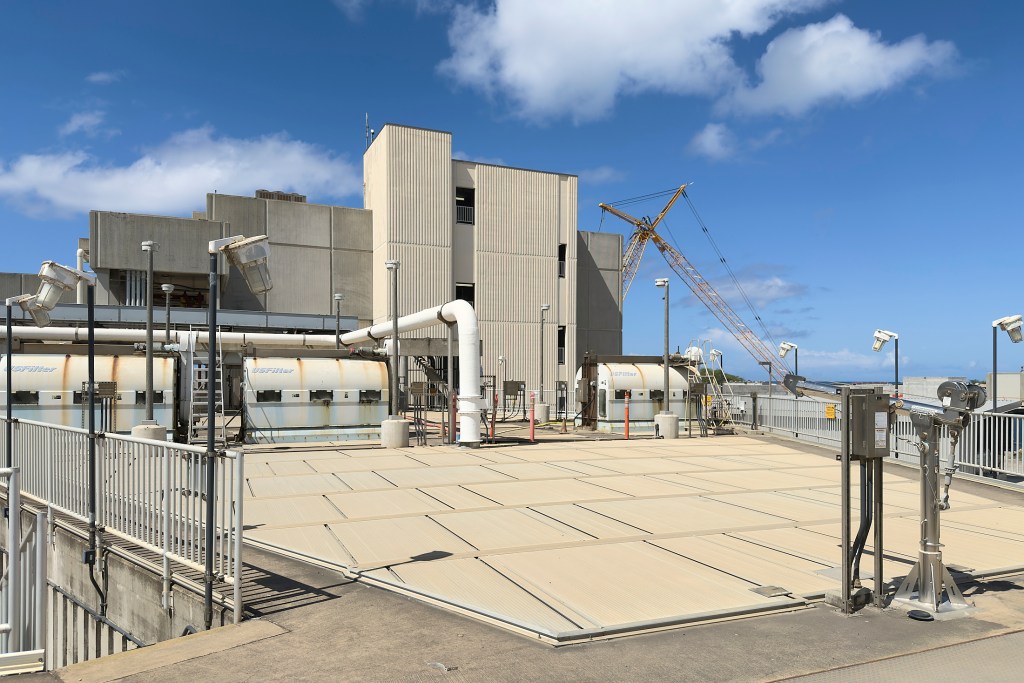
Even if stronger treatment is justified, Honolulu residents are entitled to ask whether every element of the upgrade is necessary, timely and cost-effective. A $2.3 billion to $2.5 billion program is a generational investment.
Such projects create long-term financial commitments. They can influence sewer rates, city debt, project priorities and household budgets. They also create major opportunities for consultants, contractors, financiers, technology vendors, and construction interests who push strongly for such projects.
That does not mean the project is corrupt or unnecessary. But the city must explain why the selected design, phasing, technology and procurement strategy are the best available choices. A technically justified project can still be poorly implemented.
Governance And Public Trust
Large infrastructure decisions are shaped by lobbying, procurement, institutional incentives and public confidence. In Hawai‘i, wastewater-related policy controversies have already been shadowed by corruption concerns in the broader political environment. Even when those matters do not prove wrongdoing in the Sand Island program itself, they affect public trust.
Transparency should therefore be part of the engineering solution. Disclosure of cost assumptions, lobbying contacts, procurement decisions, and alternative analyses should be unusually strong. The city should explain why one option was selected over another, how cost escalation will be controlled and how performance will be measured. Ratepayers should be shown the evidence when asked to swallow a multi-billion dollar bill.
Delay Is Not A Real Strategy
But political resistance has limits. The 2010 consent decree is binding. And failure can expose Honolulu to penalties and litigation.
Local resolutions or public objections may have symbolic value. But they do not erase the city’s legal obligations. A cheaper alternative would need formal approval, supported by technical evidence and accepted by the relevant regulatory and judicial authorities. Without that, “doing less” is not an alternative. It is noncompliance.
Honolulu cannot choose a lower-cost path merely because it is cheaper. It must choose a path that can satisfy federal law, the consent decree and environmental protection requirements.
A Better Path Forward
The responsible position is neither blind acceptance of the entire upgrade nor a return to the old assumption that primary treatment plus dilution is enough.
Honolulu should pursue a pollutant-focused implementation strategy. The strongest regulatory concerns centered on ammonia, toxicity, bacterial exposure and hazardous compounds. Project sequencing should prioritize treatment components that directly address those risks.
The city should also phase the work intelligently. If early investments can produce major improvements in nitrification, solids removal, microbial control and toxicity reduction, those should come first. Later components should be reassessed against updated monitoring, demand projections and actual performance.
Monitoring must also be strengthened. The controversy arose partly because people disagreed over what the science proved. More robust long-term marine, benthic and water-quality monitoring would help determine whether the upgrade is achieving real environmental gains. Honolulu should also make cost assumptions, contracting logic and performance targets visible to the public.
Compliance With Discipline
Sand Island is not a simple story of EPA overreach, nor is it a simple story of science demanding unlimited spending. Hawai‘i once had a plausible argument that its marine setting justified regulatory flexibility. But the later record on ammonia, toxicity, bacterial risk and carcinogenic compounds made continued reliance on primary treatment difficult to defend.
Honolulu should comply. But it should comply with discipline. The city’s goal should be a wastewater system that is legally defensible, environmentally protective, fiscally responsible and publicly credible. Secondary treatment may be necessary. Wasteful or opaque implementation is not.
 Sign up for our FREE morning newsletter and face each day more informed.

Local reporting when you need it most
Support timely, accurate, independent journalism.
Honolulu Civil Beat is a nonprofit organization, and your donation helps us produce local reporting that serves all of Hawaii.
ContributeAbout the Authors