New Homes — Even Expensive Ones — Help Everyone
Lower-income residents benefit most from new housing, research shows.
May 21, 2026 · 4 min read

About the Authors


A common objection to new housing developments in Hawai’i is that most working families cannot afford them. If most new construction is market-rate housing that costs more than many locals can afford, how does building more homes improve affordability?
A growing body of research, including a new study conducted in Honolulu, shows that new housing of all kinds improves affordability throughout the housing market, and that the people who benefit most are Hawai’i’s cost-burdened tenants.
Honolulu Building Is A Case Study
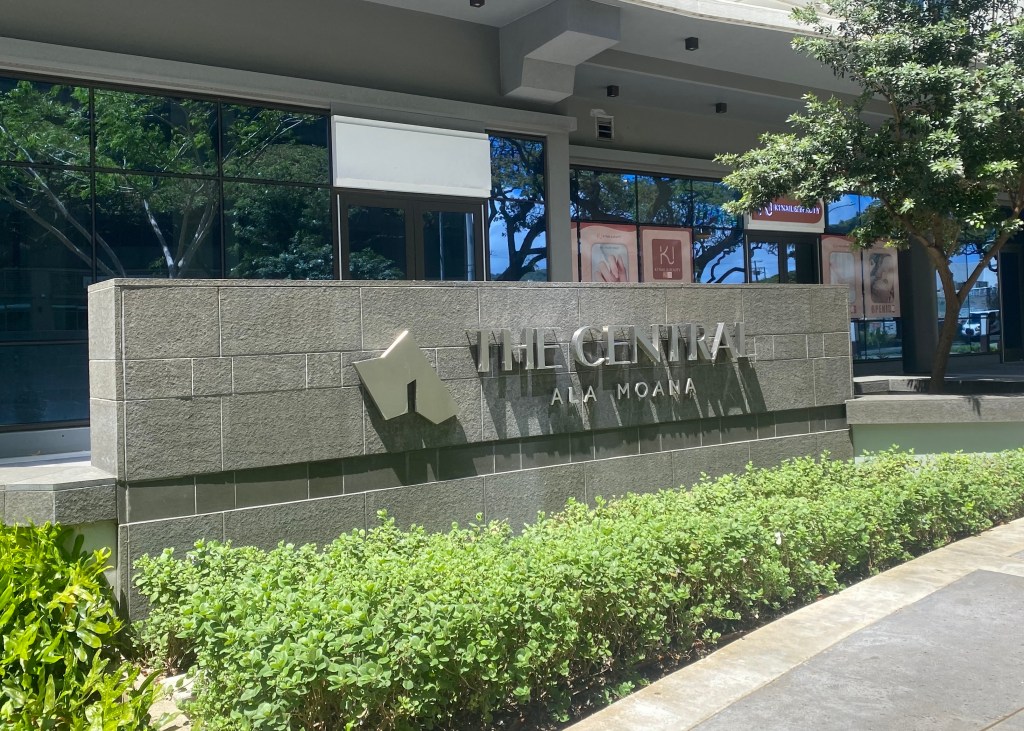
In March, the University of Hawai’i Economic Research Organization published a working paper describing what happened after The Central, a 512-unit mixed-income condominium tower near Ala Moana, opened in 2021. The research team traced who moved into each unit, where they came from, and what became of the homes they left.
The result is what economists call “housing filtering.” Here’s how it works: When residents move into a new apartment, their previous home becomes available to someone else, who in turn leaves their home for someone else to purchase or rent. UHERO estimates that because of housing filtering.
The Central generated more than 500 vacancies across Oʻahu in its first three years. Those freed-up homes were, on average, larger than the new condos, with more bedrooms, and about 40% less expensive per square foot. Critically, these benefits stayed local. Of the families that moved into The Central and whose prior addresses could be identified, 88% had been living in Hawai’i. And the vacancies they created extended across Oʻahu, from Kāneʻohe to Kapolei.

Ideas showcases stories, opinion and analysis about Hawaiʻi, from the state’s sharpest thinkers, to stretch our collective thinking about a problem or an issue. Email news@civilbeat.org to submit an idea or an essay.
One particularly striking chain began when a unit at The Central was purchased by a woman leaving a 1960s-era apartment in a low-income neighborhood. That apartment was subsequently occupied by someone moving from a transitional housing facility for the formerly homeless. That means, in two steps, the sale of a high-end condo freed up a bed at a homeless shelter.
National Data Reinforces Local Evidence
Austin, Texas, shows how this process can lower rents citywide. From 2010 to 2019, rents in Austin increased nearly 93% — more than in any other major American city. Austin responded by allowing larger apartment buildings near jobs and transit, reducing parking mandates and streamlining permitting. It also facilitated accessory dwelling units, or self-contained, smaller residential apartments next to the existing house.
From 2015 to 2024, Austin added 120,000 new homes, the vast majority of them market-rate. Today, Austin’s median rent has fallen below the national average — even after 18,000 new residents moved in from 2022 to 2024. And rents in older, less expensive apartment buildings fell the most: 11% from 2023 to 2024. That means that lower-income renters were among the biggest beneficiaries of Austin’s construction boom.
And Austin is not an outlier. A Pew Charitable Trusts analysis of rental markets across 1,654 ZIP codes found that metropolitan areas that increased their housing stock by at least 10% from 2017 to 2023 saw rents fall from 2023 to 2024 — again, with the steepest declines in the oldest, most affordable apartment buildings. University of Notre Dame economist Evan Mast has found that for every 100 market-rate homes built in a high-income neighborhood, as many as 70 homes are freed up in communities with below-average incomes. Adding homes, even expensive ones, gives all renters more choices. When landlords have to compete for tenants, rents go down.
The Cost Of Not Building
When there aren’t enough homes for anyone, everyone competes for limited supply. Those with the least money have the fewest options. Across U.S. metro areas, low-income ZIP codes saw rent increases that were, on average, 10% higher than wealthy ones from 2017 to 2024 — not because wealthy households displaced them, but because constrained supply leaves lower-income residents with nowhere to go. And today, consistent outmigration, the lowest square footage per home of any state, and the highest over-crowding are all the result of insufficient homebuilding in Hawai’i.

What The Research Tells Us
The evidence is consistent: When housing supply grows, rents moderate, and the people who benefit most are those who previously had the fewest choices. Building new homes — including apartments, mixed-use buildings, and other housing types that add meaningful supply — frees up existing homes throughout the market and makes them more affordable for others.
Policymakers who reduce the barriers preventing new housing are helping families doubled up in too-small apartments, renters spending most of their income on housing, and longtime residents on the verge of moving away. Austin proved it works. Hawaiʻi can and should too.
 Sign up for our FREE morning newsletter and face each day more informed.
Community Voices aims to encourage broad discussion on many topics of community interest. It’s kind of a cross between Letters to the Editor and op-eds. This is your space to talk about important issues or interesting people who are making a difference in our world. Column lengths should be no more than 800 words and we need a photo of the author and a bio. We welcome video commentary and other multimedia formats. Send to news@civilbeat.org. The opinions and information expressed in Community Voices are solely those of the authors and not Civil Beat.
Read this next:

Local reporting when you need it most
Support timely, accurate, independent journalism.
Honolulu Civil Beat is a nonprofit organization, and your donation helps us produce local reporting that serves all of Hawaii.
ContributeAbout the Authors