Gun Legislation Verdicts Are A Starting Point For Community Interaction
The Supreme Court says states can’t enforce “no-carry default” laws that require concealed-carry permit holders to obtain permission from property owners. Let’s talk.
July 9, 2026 · 5 min read

About the Author

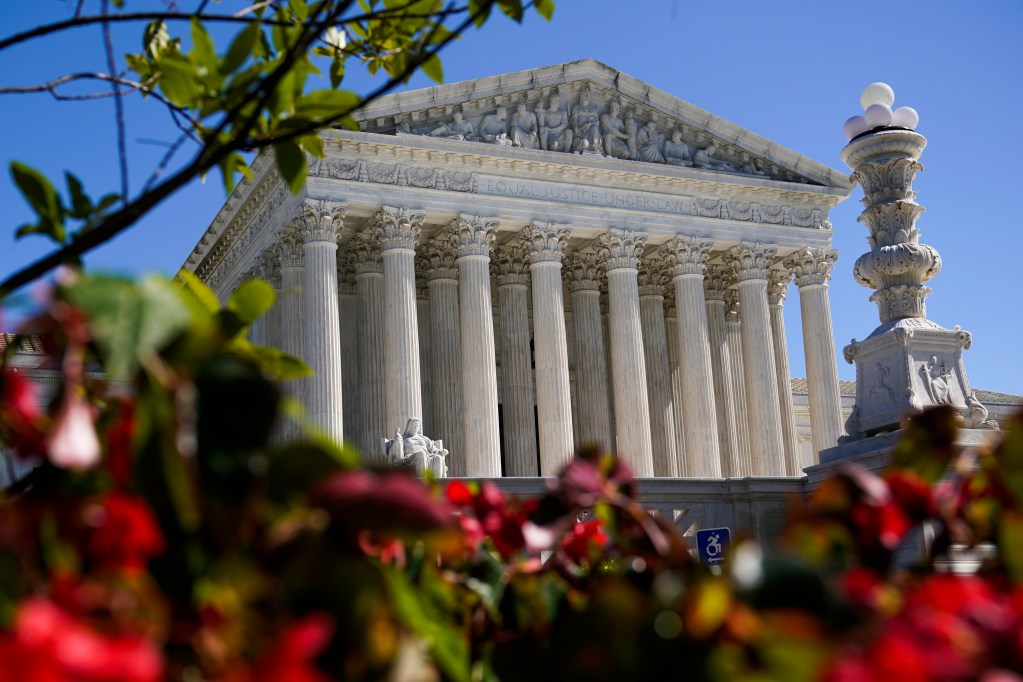
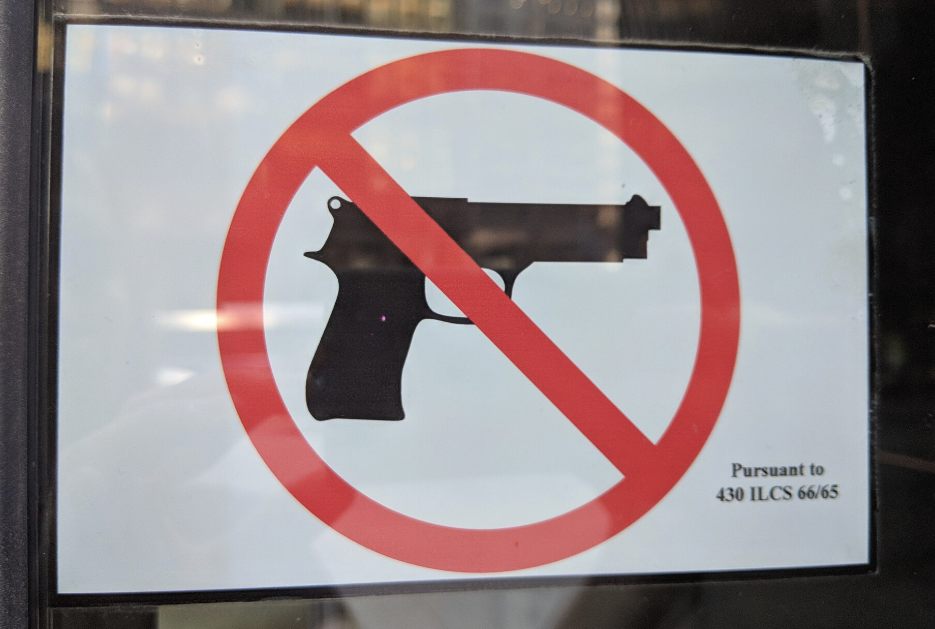
When the Wolford v. Lopez decision was released recently by the U.S. Supreme Court, the internet lit up with expressions of triumph or dismay. Under the Hawaiʻi law in question, concealed carry firearms were not allowed onto publicly-accessible private property (for example, a store) unless that location indicated that firearms were allowed.
With the SCOTUS decision, the default reverses, allowing concealed carry firearms onto these properties unless expressly forbidden.
Some online conversations on the decision were nuanced. Others, however, jumped to conclusions about people with different views.

Ideas showcases stories, opinion and analysis about Hawaiʻi, from the state’s sharpest thinkers, to stretch our collective thinking about a problem or an issue. Email news@civilbeat.org to submit an idea or an essay.
Some comments called people against the ruling “naive” and “more trusting of criminals” and while others made blanket statements about humans being “too stupid to have [guns]”.
We shouldn’t be treating issues of Hawaiʻi’s safety like a game with winners and losers. Instead, verdicts on legislation are a starting point that impacts the way we as community residents interact.
The person first to mind when I think of the Wolford decision is the uncle in the safety vest working security or the aunty at the cash register. As the first person that the public encounters when they enter these privately-owned spaces, if we bring a win/lose mentality over the verdict, they will suffer the brunt of the consequences.
We can do something different.
Recognize Common Values And Goals
Over the last two to three years, I’ve had the opportunity to listen to people talk about firearms and safety in a variety of settings. Online narratives do not reflect the reality that members of our community live.
I’ve known colleagues who are healthcare providers who focus their lives on health and safety and are also gun owners. I’ve also known people who support more restrictive gun policies.
Defying the narrative of naivety, many of their stories begin with a family or community where gun ownership is common. People of all backgrounds mention loved ones lost to firearm suicide and concerns about their family’s safety.
People have different time and resource constraints that impact their decisions as well. Keeping this in mind can help us respect choices different people and organizations make with respect to firearms, legal concealed carry licenses, and whether those firearms are allowed in places like stores and restaurants.
Support Conflict De-Escalation Trainings And Skill Use
Amidst the posts online, I was delighted to see a mention of de-escalation. De-escalation can refer to a range of conflict management techniques with the goal of preventing conflict from escalating to physical violence. Hawaiʻi requires some instruction on conflict management in concealed carry license training courses.
My first exposure to this type of training was as a volunteer crisis response caseworker, and it proved to be invaluable in the healthcare setting where workplace violence occurs at higher than average rates.
Examples of conflict management and de-escalation techniques include awareness of nonverbal cues and active listening, while maintaining personal safety. These types of skills are taught in a variety of settings. In our own lives, we can recognize our own role in conflict and do our part to keep disagreements from moving to violence, including with respect to legal choices on where firearms are allowed.
Reduce Illegal Guns Via Secure Firearm Storage
A common online point of dispute in the Wolford decision centers on illegal guns. One “side” is concerned that more legal guns will increase the number of illegal guns, while the other “side” argues the opposite.
Commonly overlooked in the debate is that stolen legal guns are one of the sources of illegal guns. Rather than being a “gotcha” for one side or another, this fact actually highlights a commonality: no one wants legal guns to be stolen.
Secure firearm storage is a topic that spans firearm safety training, local and online gun stores, and community health initiatives. There are a myriad of options, including gun safes, lockboxes, and quick access safes.
Secure firearm storage also helps prevent firearm suicides and unintentional gun deaths in keiki and teens. The broader issue of reducing illegal firearms in Hawaiʻi is complex; recognizing secure firearm storage as an area of commonality in this discussion is not.
To be sure, my background is as a physician with health policy and community engagement experience, not as a store owner, retail space operations manager, or constitutional lawyer. I also recognize that beliefs around firearms reflect complex stories that can include both meaningful and deeply traumatic personal histories as well as different training and skill sets.
I do not believe that all differences on firearm policy are easy to resolve. However, there are also areas where we are closer than we think, with practical implications for how we live together in this place.
Don’t let an online win/lose mindset distract us from what we can do together to keep our communities safe, using all of our wisdom and perspectives.
 Sign up for our FREE morning newsletter and face each day more informed.
Community Voices aims to encourage broad discussion on many topics of community interest. It’s kind of a cross between Letters to the Editor and op-eds. This is your space to talk about important issues or interesting people who are making a difference in our world. Column lengths should be no more than 800 words and we need a photo of the author and a bio. We welcome video commentary and other multimedia formats. Send to news@civilbeat.org. The opinions and information expressed in Community Voices are solely those of the authors and not Civil Beat.
Read this next:

Local reporting when you need it most
Support timely, accurate, independent journalism.
Honolulu Civil Beat is a nonprofit organization, and your donation helps us produce local reporting that serves all of Hawaii.
ContributeAbout the Author