Kirstin Downey: The Inspiration Museum Shows Us What's Possible
A century old building in downtown Honolulu is being slowly transformed into a space that celebrates people from Hawaiʻi who have helped change the world.
July 24, 2026 · 7 min read

About the Author

New life is being breathed into one of downtown’s grand old historic buildings.
The Inspiration Museum is a revitalization of the venerable Hawaiian Electric Co. headquarters at the corner of King and Richard streets, catty-corner to ʻIolani Palace in Honolulu’s monumental downtown.
The nonprofit museum is being developed by Gloria Borland, who is transforming it into an event venue and exhibit space dedicated to celebrating the accomplishments of people from Hawaiʻi who changed the world. From President Barack Obama to U. S. Rep. Patsy Mink to swimmer and surfer Duke Kahanamoku, Hawaiʻi residents have made a mark.

Ideas showcases stories, opinion and analysis about Hawaiʻi, from the state’s sharpest thinkers, to stretch our collective thinking about a problem or an issue. Email news@civilbeat.org to submit an idea or an essay.
The 99-year-old Spanish Colonial building is part of the city’s Hawaiʻi Capital Historic District, named to the national register of historic places in the 1970s. Built on a site once known as Palace Square, the building contains what a state historic preservationist called one of the “most elegant interior spaces in the State of Hawaii,” adding that its refined stonework would likely never again be matched in any commercial structure in the state.
Another remarkable feature is the entrance’s vaulted, painted ceiling, the work of San Francisco artist Julian Garnsey, depicting a pantheon of gods, framed by Trojan warriors, according to Don Hibbard’s “Buildings of Hawaii.”
The building’s interior is a cavernous reception room soaring some 20 feet high, with plaster mouldings embellishing the ceiling. The exhibits Borland is developing are displayed in this room.
The building, which is owned by Kamehameha Schools, stood empty and desolate for years after HECO moved out in 2019. Vacant windows stared out onto the street and trash blew inside the portico, contributing to the general forlorn air of the downtown area during the pandemic and post-pandemic eras.
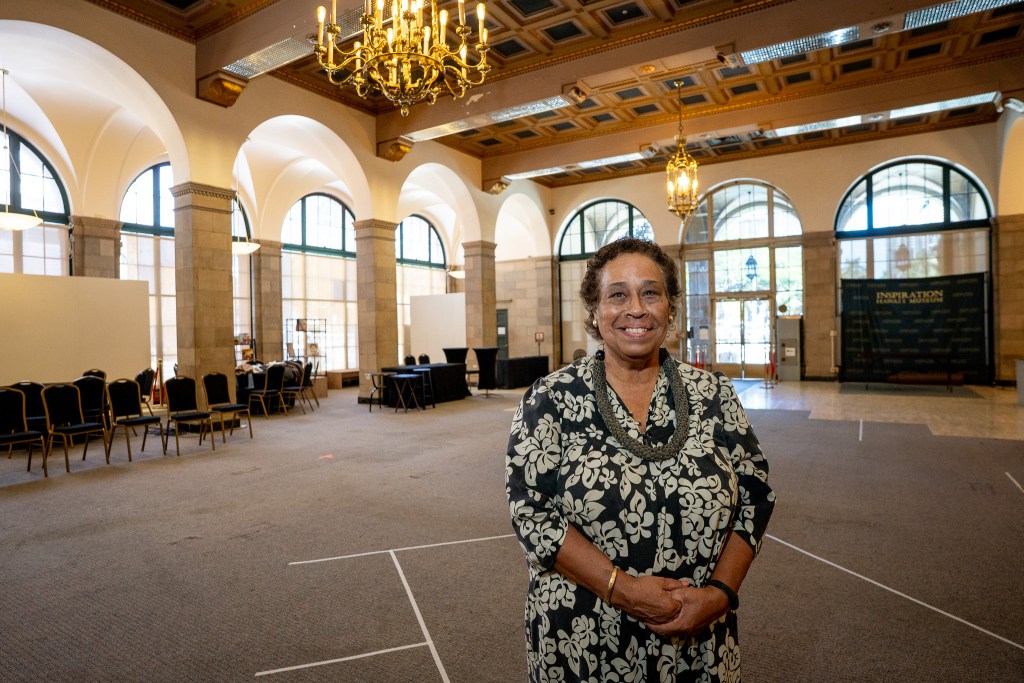
Borland hopes to accentuate the brighter times from Hawaiʻi’s past by highlighting individuals in Hawaiʻi who have had an outsized influence on the world. They include not only political figures like Obama and Mink, but also entertainers including Bruno Mars and Jason Momoa. A surprisingly large number of people from Hawaiʻi have ended up on the front of the world stage.
Borland is a Radford High School graduate who has made her own remarkable climb in life. At age 15 she won a Girl Scout competition that gave her a free trip to Washington, D.C., where she met with political leaders including U.S. Reps. Spark Matsunaga and Patsy Mink. She impressed them, and within a few years, she was working in Washington.
For three years, Borland served on the staff of U.S. Sen. Daniel K. Inouye and later became an entrepreneur, publishing travel magazines and producing a PBS series on business owners. She served as campaign director for presidential candidate Ross Perot.
She recently produced an as yet unreleased film biography of Obama called “Made in Hawaiʻi,” and a lengthy interview with her is highlighted on the Obama presidency oral history website.
Coming from Hawaiʻi but moving elsewhere as she did, she came to believe that many people here have to overcome feelings of inferiority as they make their way in the continental United States. She thinks that is partially because Hawaiʻi’s public image has been misrepresented, which has led residents to be insecure about their place in the world when in fact they have so much that should make them both proud and confident.
“In Hollywood, Hawaiʻi is just the happy-go-lucky sidekick,” she said, but in reality, “people from Hawaiʻi are brilliant and very talented — in science, sports and politics.”
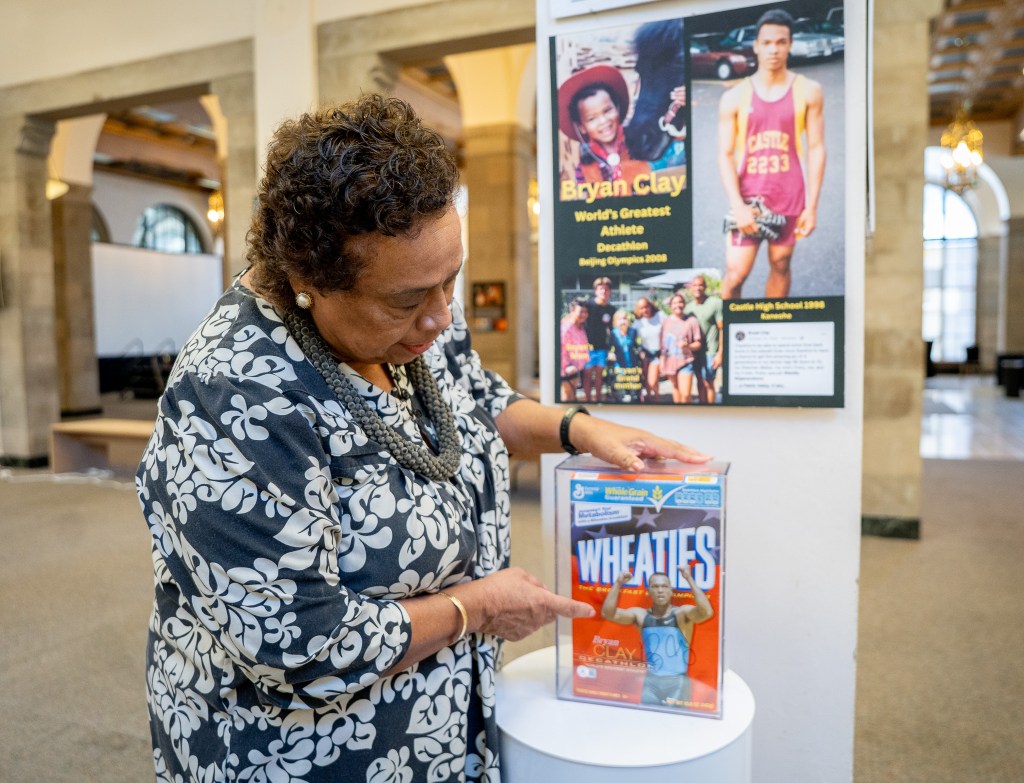
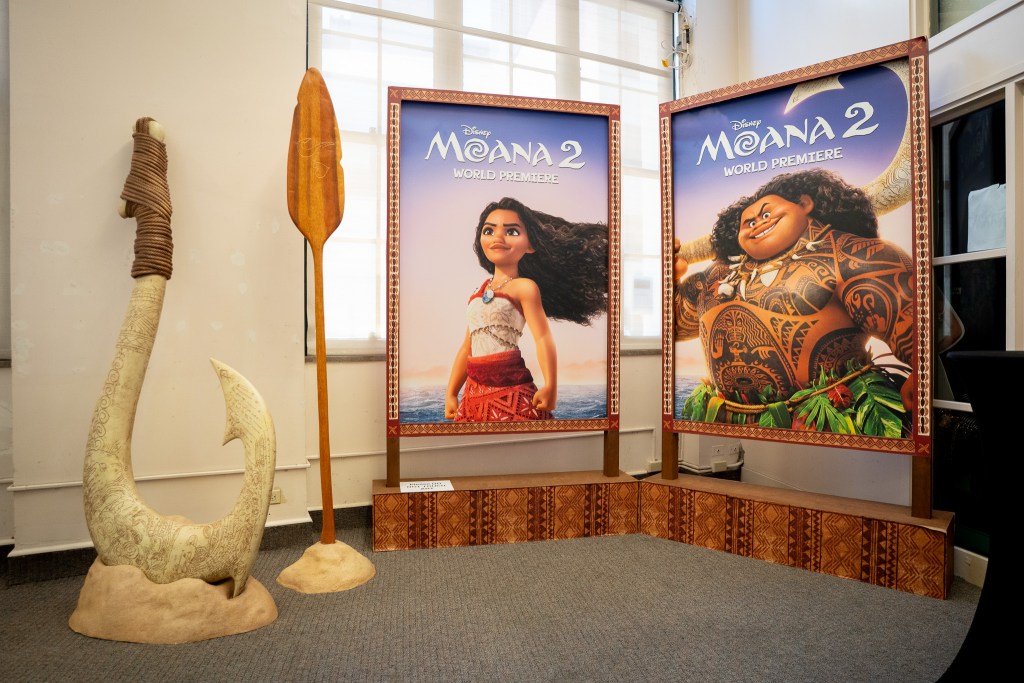
Current exhibits highlight political leaders but also celebrate the successes of Hawaiʻi’s Little League, suffrage leaders, entrepreneurs, scientists, musicians, sumo wrestlers and hula dancers.
She is building out the exhibits bit by bit, using her own resources and seeking funding and government assistance. State legislator and philanthropist Kim Coco Iwamoto is a supporter and gave her $100,000, which Borland used for furnishings. Borland said she will soon receive a state grant of $311,000 that will go toward renovating the building’s aging plumbing and restrooms. Inevitably in older buildings, more renovation and restoration work is needed as well.
Borland is developing further plans for the site. She envisions the front portico with the vaulted ceiling as a charming coffee shop overlooking ʻIolani Palace.
She already has some books for sale, including biographies and memoirs written by people from Hawaiʻi, but would like to have more, and envisions hosting book talks by local authors.
Borland got the idea for the museum when she was serving on the neighborhood board for Foster Village. City officials responsible for the Honolulu rail project came to a board meeting to update residents on their plans. They asked for ideas on what would help make the proposed Aloha Stadium entertainment venue successful.
Borland found the words popping out of her mouth: “A museum about Hawaiʻi!”
She began thinking about the museum and making plans for how it might be developed, waiting for the much-discussed entertainment venue to materialize. But years ticked by, and no progress was made toward creating it.
“I got tired of waiting,” she recalls now. “I’m glad I got tired of waiting or I’d still be waiting.”
Around that time she was approached by Kamehameha Schools trustee Lance Keawe Wilhelm, now retired, who suggested she might consider leasing the vacant HECO building as a museum space. He showed her the building.
She was wowed.
“Historic, inspiring, gorgeous, perfect place for our museum,” she recalls thinking.
Borland ended up successfully negotiating a lease for the property.
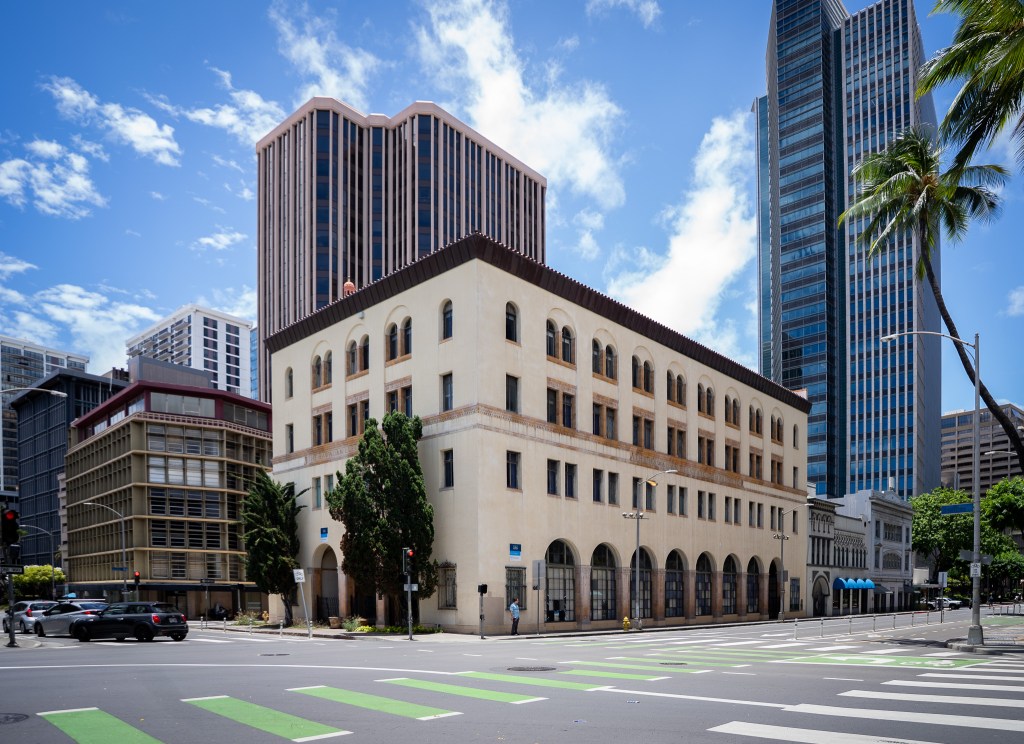
Jim Kelly, HECO’s vice president of government and community relations, applauded the new venture.
“It’s a warm, beautiful building that was designed to welcome people inside so I’m really glad to see the activity there,” Kelly wrote in an email. “That building, and what remains on the old Palace Square are some of the last historic pieces of our downtown intact and they need to be celebrated and protected.”
This kind of historic adaptation of valuable older buildings is a way savvy communities keep older neighborhoods vital and turn them into commercial draws. In fact, some of the most sophisticated cities in the world repurpose older buildings as a tool for economic development, resulting in places like Ghirardelli Square in San Francisco and Faneuil Hall in Boston.
The building’s site was once the home of Honolulu’s Opera House, according to historic preservation scholar Bill Chapman, who chairs the state’s Historic Places Review Board. He said it once showcased world-famous performers including Jenny Lind, the Taylor Swift of her day known as the Swedish Nightingale.
The HECO building was built on that site in 1927 and was initially used as an information center for Hawaiʻi residents when electrical use was still in its infancy. A home economist had a kitchen there where she could demonstrate how to cook on electric ranges.
The Inspiration Museum is only open for special events but Borland plans to open to the public as soon as she can get adequate staffing. In the past 18 months, it has been the setting for Hōkūleʻa’s 50th anniversary celebration, an environmental film festival and a gala for Honolulu Magazine. It will soon host Hawaii Tech Week.
Borland thinks her museum has a different niche from other museums. Bishop Museum highlights the islands’ Native Hawaiian history and the Pearl Harbor museum more narrowly focuses on World War II.
Borland sees her job as not just sharing information but building civic engagement and self-confidence.
“When local people come here, they feel a sense of pride,” she said. She hopes to share this idea: “It’s OK to be ambitious; go for it!”
 Sign up for our FREE morning newsletter and face each day more informed.
Read this next:
Local reporting when you need it most
Support timely, accurate, independent journalism.
Honolulu Civil Beat is a nonprofit organization, and your donation helps us produce local reporting that serves all of Hawaii.
ContributeAbout the Author