Neal Milner: Cowardice Isn't Limited To Trump Sycophants
A new book details the spineless power players in the Trump world. But Hawaiʻi has its own cowardly behavior, rooted in a culture of avoidance.
September 28, 2026 · 6 min read

About the Author

Jerome Weisberg’s new book “Profiles in Cowardice: a Study of Collaboration in the Trump Era,” is about famous people who have sold out their principles and either sucked up to Donald Trump or folded to his demands.
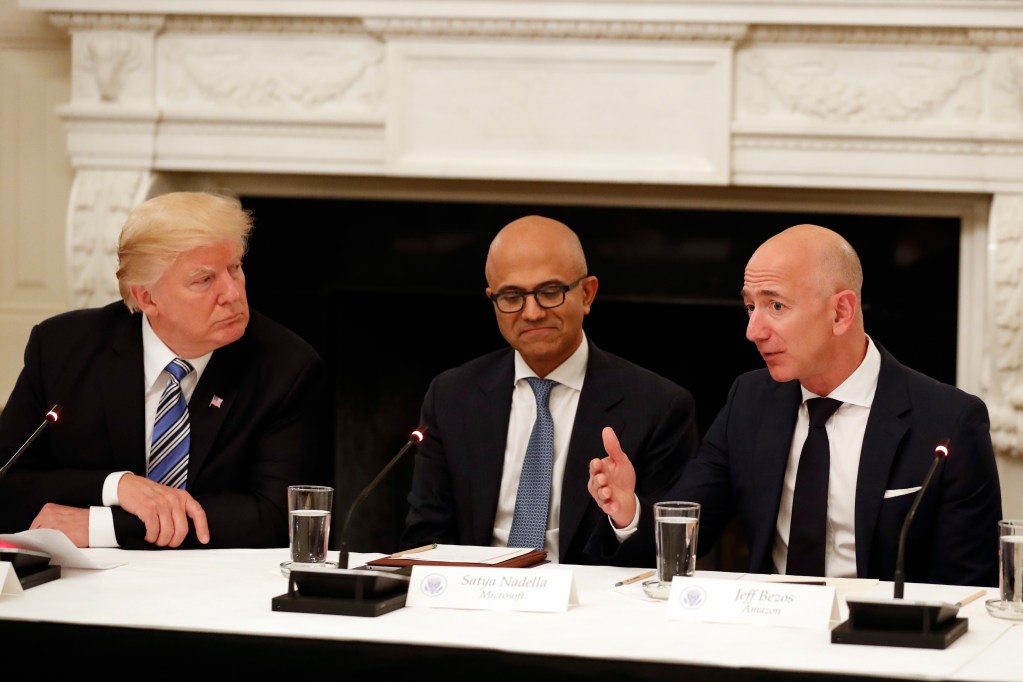
That sorry list includes Brad Karp (head of a nationally known New York law firm); mega-billionaires Jeff Bezos and Stephen Schwarzman; news media star Megyn Kelly; politicians Mitch McConnell and George W. Bush; Sian Beilok, the president of Dartmouth College; and Supreme Court Chief Justice John Roberts.
They are all players in today’s “golden age of cravenness,” as a New York Times review described it. It’s an age where “cowards, sycophants and hacks have put their own interests – political, financial, celebrity-seeking – above the good of the country,” as Kevin D. Williamson wrote this month in The Dispatch.
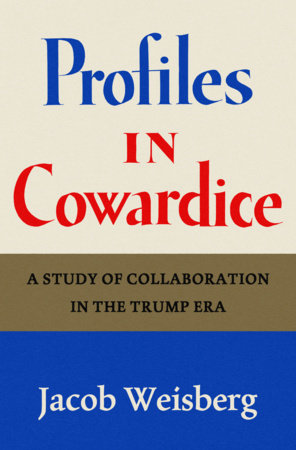
Weisberg simply calls this group cowards.
Hawaiʻi’s politics seems so different, so civilized and quiet by comparison with so much less public groveling.
No Hawai‘i big shots admitting the errors of their ways in anything like those willful degradation ceremonies that Weisberg’s people endured.
And of course – no one similar to Trump.
Hawai‘i has a different kind of cowardice, though. Hawaiʻi’s cowardice is about things not spoken, under the surface, not talked about, wished away.
The quiet cowardice of saying nothing, doing nothing, and avoiding conversation about all of this not-saying and not-doing.
To understand what Hawai‘i’s quiet, under-the-surface cowardice is all about, we can use Weisberg as a guide.
Weisberg goes beyond the label of “coward” and shows how the Trump collaborators actually behaved. Actually, Weisberg is more convincing that his subjects acted wrongly than they acted cowardly.
They acted badly for reasons beside fear: greed, insecurity, self-protection, power, for some at least, a little naïvete.
So, if coward is just a label that explains little by itself, why use the term at all?
Different Shades Of Cowardice
Weisberg says that some powerful people act so irresponsibly with such public consequences that they deserve to be shamed.
They displayed not run-of-the-mill fear but rather “civic cowardice.”
So they are different from you and me and deserve a place in Shaming Hell? Double standard? No, a higher standard because of who they are and what they do.
Mitch McConnell is definitely not like some poor schmuck who’s afraid to go to the dentist. His venality goes way past that.
Hawai‘i’s politics is quieter, more private, and less confrontational. Cowardice is more subtle, typically not associated with a big shot making a public ass of him/herself.
In the Trump case, the cowards wanted to admit publicly that they were wrong. Hawai‘i? The polar opposite – “let’s not talk about it.”
Trump cowardice = public groveling.
Hawai‘i cowardice = private weaseling.
Both equal civic cowardice.
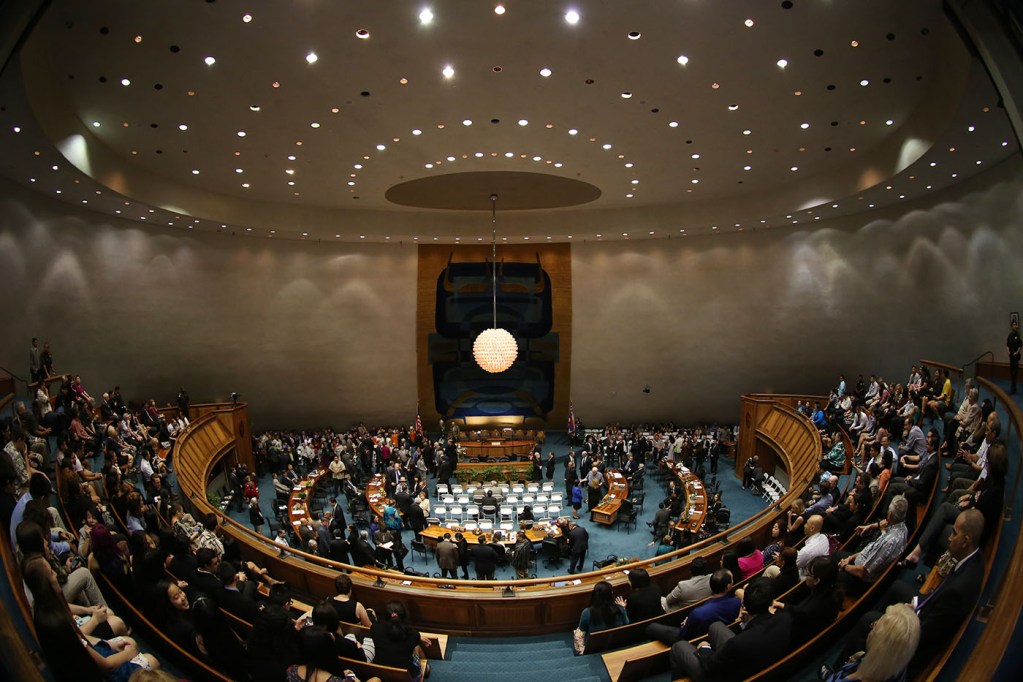
Hawaiʻi’s government is terrible at implementation, administrative transparency, and getting things completed on time. The public treats stated deadlines as fairy dust. And why not?
Hawai‘i’s civic cowardice is much about that. Quiet incompetence, concealed reasons, saying nothing and doing nothing while evading the heart of the matter when things go south. Relying on private networks concealed from the public eye.
Typical Excuses For Delays, Missed Deadlines
- A leader making excuses for or even lying about her agency’s work. Or refusing to take action required to get to the heart of the matter.
- Agency heads who miss deadlines but take no responsibility for doing so and give no explanation for why that happened. “Stuff happens. Next question.”
- Hidden, non-transparent action: Legislators continue to “gut and replace” bills at the last minute when it’s too late for the public to comment. “Gut” is now illegal. So? We find a way privately, working it all out informally, beneath the surface.
- Avoidance. Legislators refused to investigate their colleagues in the recent corruption investigation and have refused to pass the kind of campaign finance laws that get at the heart of the matter. Their key reaction is a cowardly non-reaction: silence.
Silence About Political Principles
Since the state is so heavily one-party controlled, Democrats can easily get away with this civic cowardice because there is no opposition party strong enough to call them on it. The Dems can get away with being opaque.
The Republicans contribute to this let’s-not-talk-about-it practice.
Sure, despite the media’s frequent attempt to gin up the growth of the Republican Party, the number of Republican legislators is teeny-tiny and will still be that way after the 2026 elections.
I’m talking about a different kind of silence — one that avoids key questions about what it means to be a Republican.
What the heck do Hawaiʻi Republicans stand for?
Sam Slom, who served in the Hawai‘i Senate from 1996 to 2016, was the last elected Republican here who regularly and publicly spoke to that question.
As for today’s Hawaiʻi Republicans, say, like the local Republican Party, this doesn’t come up in any sustained, organized manner.
To be clear, I am not criticizing the state GOP for supporting Trump. That’s a different argument.
I am critiquing the lack of discussion about it. Nationally, Republicans have gone through a profound change between Slom’s tenure and now.
Where do Republicans here stand on this? Who knows? And maybe in Hawai‘i who cares? Because even this state’s Republican opposition has wrapped itself in the norm of “silence is golden.”
Jerry Zuckerberg, a dentist from Dobbs Ferry, New York, and, by the way, Mark Zuckerberg’s dad (Mark could have made a nice living taking over his father’s practice if only he had finished college) once advertised his dental practice by saying, “We cater to cowards.”
That’s just run of the mill cowardice — tooth decay.
We need to quit catering to civic cowards — political decay.
How Can We Inspire More Bravery?
In Hawai‘i, we can’t do this simply by making sweeping, angry accusations typical of readers’ comments: “Who cares? They’re all cowards.”
Those are just words without actions, anger without commitment and an excuse for giving up.
Rooting out the real civic cowards in Hawaiʻi takes hard work, precisely because politics and administration here is so private, under the table and secret compared to those easily identifiable stars in the Trump morality play.
And also because the Hawaiʻi civic cowards are much more like you and me. They are not dramatically different, as the Trump civic cowards are.
Hawaiʻi cowards are ordinary folk.
They’re your friends and neighbors operating in and not resisting a deeply engrained political culture of avoidance, incompetence and acceptance.
 Sign up for our FREE morning newsletter and face each day more informed.
Local reporting when you need it most
Support timely, accurate, independent journalism.
Honolulu Civil Beat is a nonprofit organization, and your donation helps us produce local reporting that serves all of Hawaii.
ContributeAbout the Author