Makana Eyre: Hawaiʻi Has Stakes In Trump’s National Archives Reboot
Closure and relocation of the San Francisco archive could make it harder to research family histories and fully understand Hawaiʻi’s past.
September 14, 2026 · 6 min read

About the Author

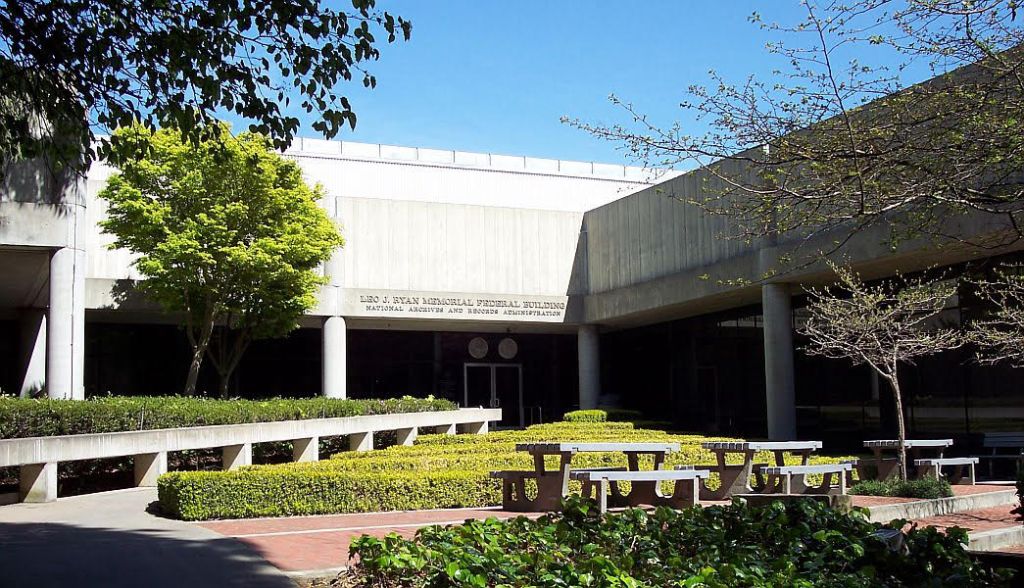
In June, in a quiet internal bulletin, the National Archives announced plans to close its regional facilities in Chicago and San Francisco.
The news quickly alarmed scholars and researchers, many of whom worried about what would become of the 215,000 cubic feet of invaluable records – including files related to the Wong Kim Ark case that affirmed birthright citizenship in America.
But it’s not just academics who have a stake in this move. If you live in Hawaiʻi or have family ties to it, the closure of these archives should be profoundly concerning. They contain primary source materials for major parts of our history — and quite possibly information about your own forebears.
In other words, these are not just archival oddities, of interest only to historians searching for obscure tidbits in dusty reading rooms. They offer answers to some of the foundational questions about Hawaiʻi and its residents.
The San Francisco facility is particularly essential. It holds vast undigitized records of our courts, immigration and Chinese exclusion, the administration of plantations, the labor movement, Pearl Harbor, the broader American presence in the Pacific, and a great deal more.
Crucially, it holds the stories of individuals — naturalization files, passenger logs, witness affidavits, interview transcripts — as well as those of our collective society.
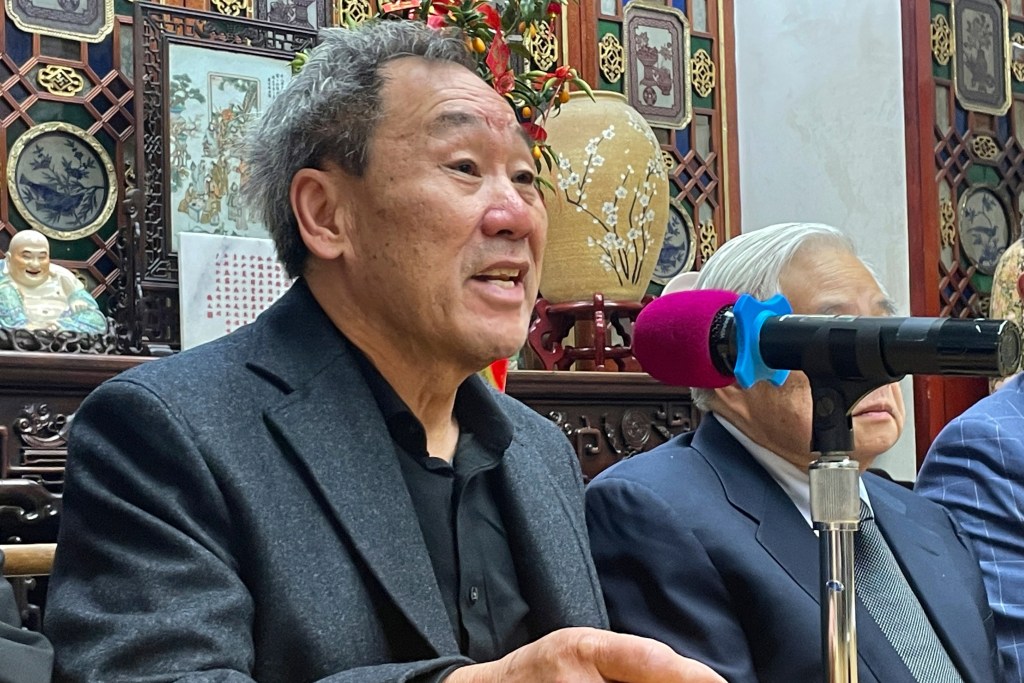
David Aiona Chang and Maile Arvin, scholars at the University of Minnesota and the University of Hawaiʻi, respectively, are two researchers with deep concerns.
“If you want to understand the context of our ancestors’ lives, the military they fought for, the company they worked for, the plantation they labored on, the political issues they got involved in,” Chang told me, “there will be records of that there.”
In fact, the San Francisco facility contains files about two of Chang’s grandparents.
It is not clear at this point what will happen to the archival material in California. At the start, the National Archives, known as NARA, shared little about its intentions. In an update last month, it said that it planned to split up the Chicago and San Francisco collections and transfer them to locations as far afield as Kansas City, Denver and College Park.

Ideas showcases stories, opinion and analysis about Hawaiʻi, from the state’s sharpest thinkers, to stretch our collective thinking about a problem or an issue. Email news@civilbeat.org to submit an idea or an essay.
Even so, Chang and Arvin say that ambiguity remains on several fronts, including when the NARA facilities will close and what the changes will mean for access.
In August, the two researchers co-wrote a letter to Ed Forst, the acting archivist of the United States, opposing the closure. To date, 309 people have signed it, including prominent scholars like Noenoe Silva, Charles R. Lawrence III, Noelani Goodyear-Kaʻōpua and Davianna Pōmaikaʻi McGregor.
When Bradford Wilson was appointed as Forst’s successor, they re-sent the letter. Neither Forst nor Wilson have replied, they said.
The irony is that NARA’s regional archive network was designed to be decentralized. In the 1960s, it opened facilities across the country. The decision was a response to space constraints in Washington, but it also reflected an aim to make valuable records available to the people they concerned. Hawaiʻi, of course, is still 2,400 miles from the nearest NARA facility.
Supposedly, National Archives officials are closing these facilities in an effort at cost-cutting. While not directly linked to President Trump’s DOGE initiative, it fits into a broader trend of the Trump administration undermining national institutions and stripping away parts of the federal government it considers unnecessary. In 2025, Trump fired national archivist Colleen Shogan. Marco Rubio replaced her as acting archivist.
The justification of cutting waste feels awfully rich considering the vast sums our government is spending on a war with Iran and zealous immigration enforcement — adding to our already eye-watering national debt.
For now, there’s no evidence that NARA has decided to close these archives because of what they contain. Still, it’s difficult to make sense of the decision without considering the political world we find ourselves in.
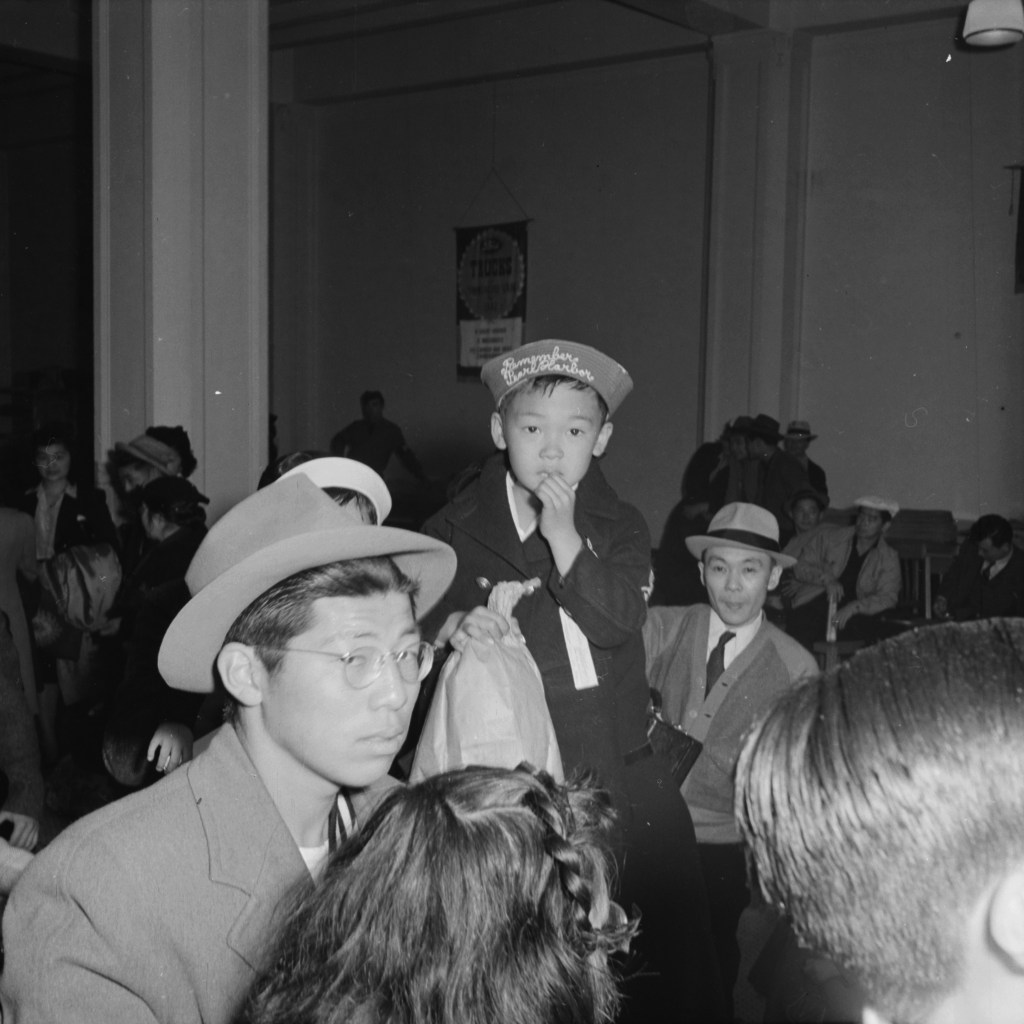
The collections contain material about Native Americans (including forced reeducation), the internment of Japanese-Americans during WWII, the Chinese Exclusion Act, Hawaiʻi under martial law, slavery, and political prosecution, and precedent-setting immigration cases. Much of it is deeply unflattering to the United States.
Trump has repeatedly attempted to instill his preferred account of American history into federal institutions, including at the National parks, the Smithsonian, and Arlington National Cemetery.
His administration has also tried to restrict public access to government information, including removing federal datasets and webpages and tightening press access.
Whatever NARA’s reasoning, the consequences are considerable. The best case scenario is that scholars studying Hawaiʻi and individuals doing genealogical sleuthing will have to travel farther and to multiple facilities to do their research.

“These aren’t just boxes of paper,” U.S. Rep. Kevin Mullin, D-South San Francisco, said in a July statement urging that the California San facility stay open.
“Families whose ancestors immigrated through Angel Island can track their lineage, those whose loved ones served in the Navy and were stationed in the Pacific can learn about their legacy, and Native Americans whose history is documented over generations are all able to learn more because of this facility.”
A darker scenario is out there. Chang and Arvin’s bigger fear is that NARA will close public access to some of the files. That would cut us off from information about the lives of our ancestors, and blur our understanding of what came before us.
Anyone who has sat in a high school history class will know the platitude about how understanding the past helps us avoid its mistakes.
How are we supposed to do that if a huge chunk of the archival materials are out of reach?
Chang put it to me this way: “We can’t put together the puzzle of the past if we’re missing the pieces.”
 Sign up for our FREE morning newsletter and face each day more informed.
Local reporting when you need it most
Support timely, accurate, independent journalism.
Honolulu Civil Beat is a nonprofit organization, and your donation helps us produce local reporting that serves all of Hawaii.
ContributeAbout the Author