Jeta: Searing Indictment Of Tourism Soon To Screen In Hawaiʻi
The black comedy “Filipiñana” turns a country club into a sharp critique of tourism, classism, and the people behind paradise. No spoilers.
September 15, 2026 · 5 min read

About the Author

“I wish I could stay longer. It’s so beautiful here.”
Variations of this message land in my inbox so often that online dating has become insufferable. They go on bloviating about their enchanted vacation, the turtles … the sand castles … the perfect beaches.
“You’re so lucky to live in paradise.”
At that point, if they get that far, I unmatch.
Tourists come to Hawaiʻi seeking the “local experience,” then hop on the apps in search of someone to “show them around.” Ideally, their free tour guide should not have a regular job, keeping their schedule open for a full-day hike — midweek, midday, on the fly.
Many kamaʻāina have experienced some version of this on dating apps. Many of us try to avoid these interactions entirely, explicitly telling tourists to steer clear in our bios. But sometimes a few slip through the cracks.
One of them once confessed to me: “Are you going to unmatch with me like everyone else just because I’m a tourist?”
I promptly responded “yes” by, yes, unmatching. Either they had not read my profile (red flag), or saw it and then chose to ignore my boundaries (bigger red flag).
Just another day in paradise: different tourists, same story.
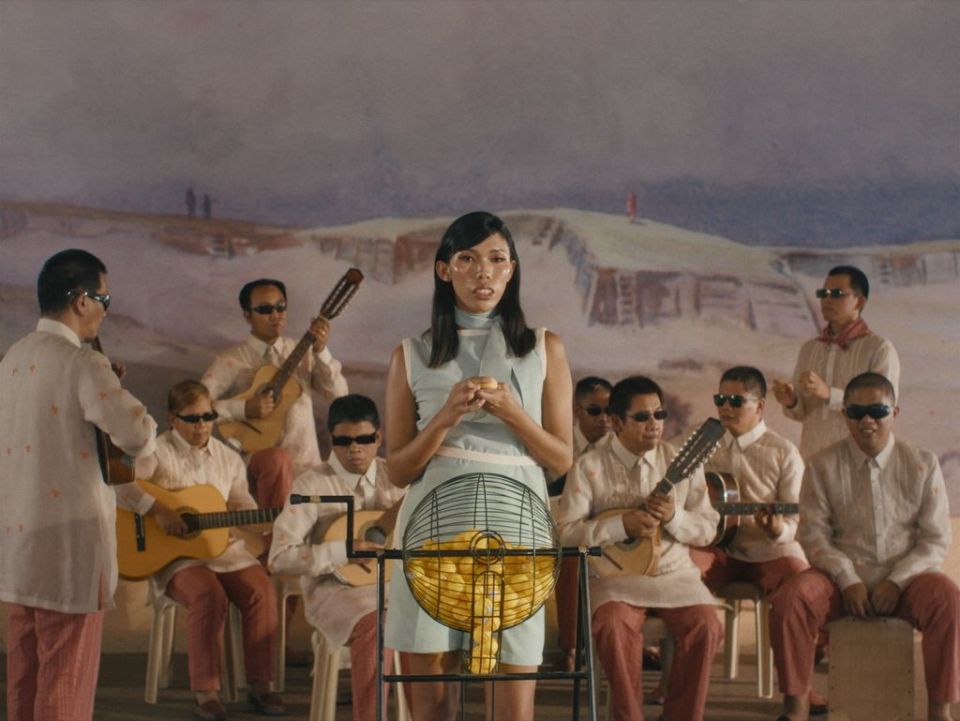
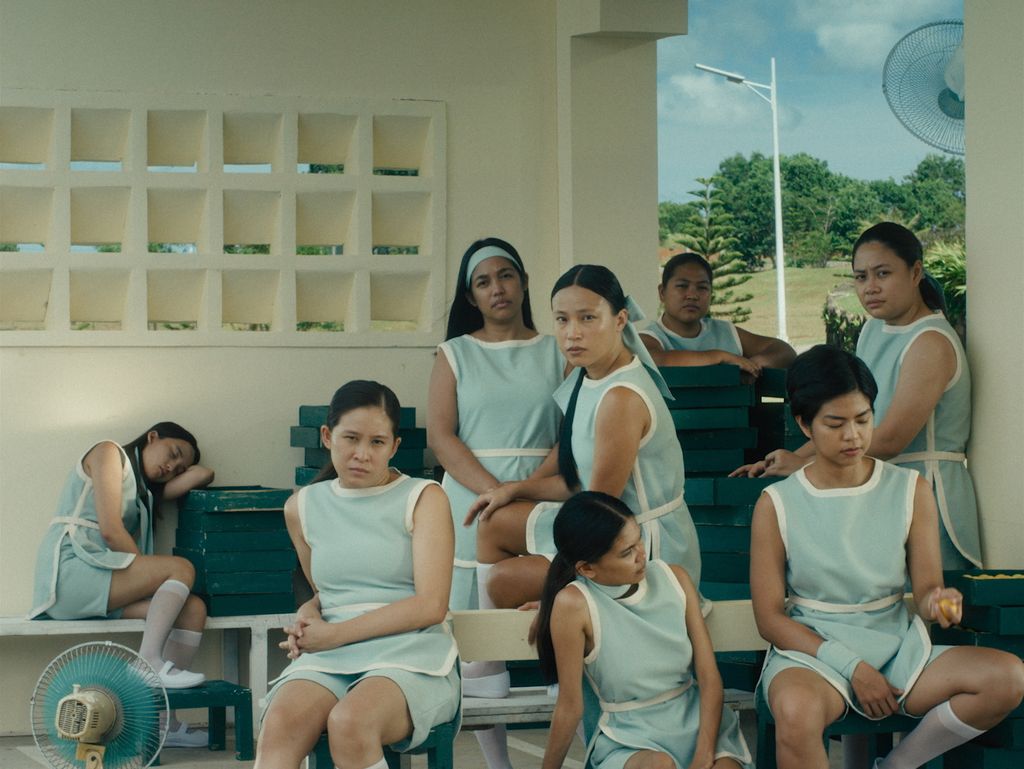
I was drawn to the 2026 indie film “Filipiñana” precisely for its incisive critique of tourism culture. The black comedy — written, edited and directed by Rafael Manuel — beautifully captures familiar patterns of tourism around the world: elitism, entitlement, exploitation, extraction.
“Filipiñana” makes the dynamic painfully clear: The world belongs to them; you just have the misfortune of living in it.

Welcome To Paradise
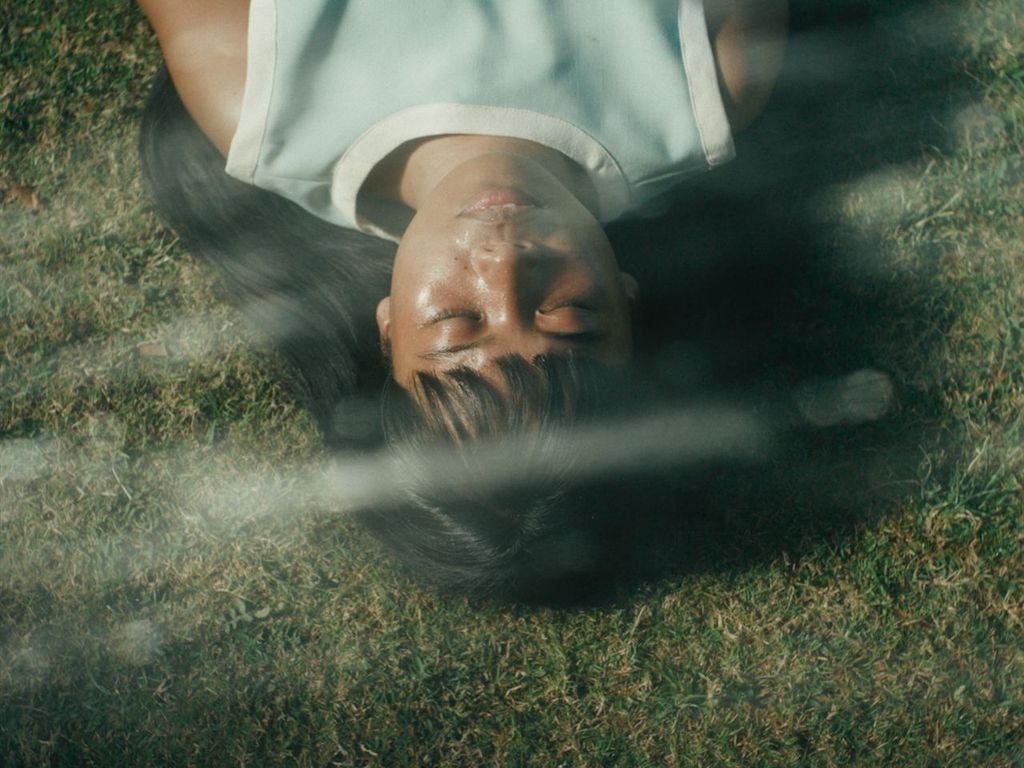
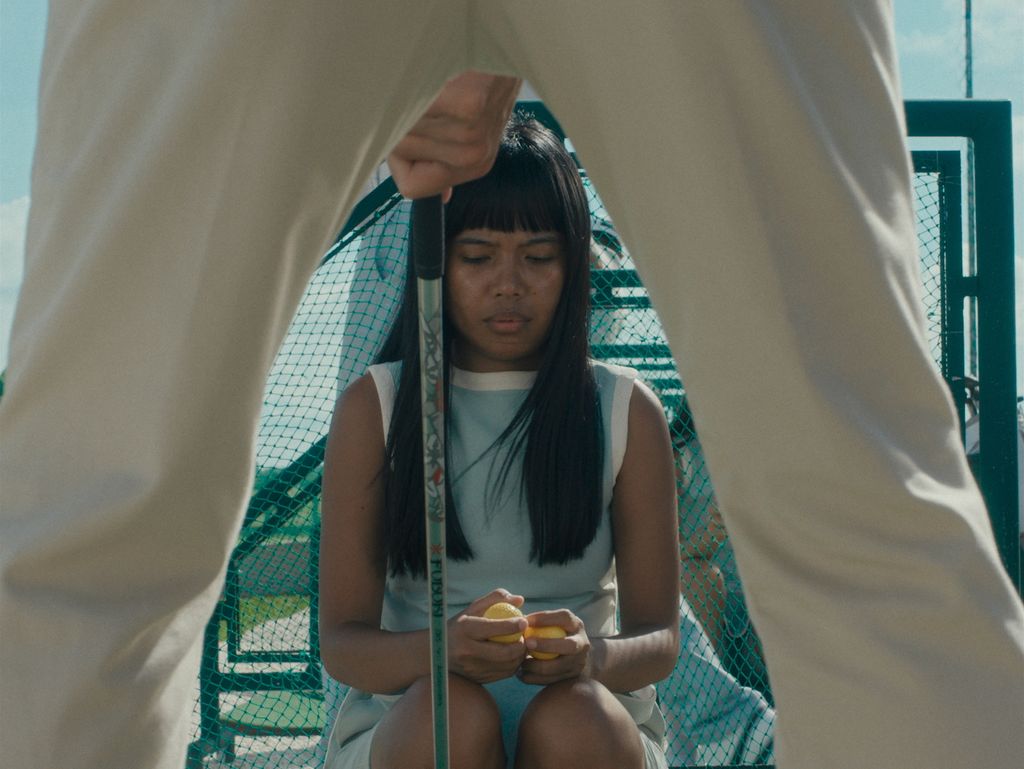
The film follows Isabel, a teenage Ilocano girl portrayed by Filipina actress Jorrybell Agoto, at her new job on a luxury golf course.
Golfers are lavishly pampered, with tee girls teeing up a ball after every swing. Caddies follow wealthy guests around the lush green course, where the grass is so impeccably manicured that one might forget the film is set in drought-stricken Manila.
Impurities are routinely addressed; the illusion of paradise is maintained. Viewers are gradually exposed to the extent of privilege afforded to the elite.
Different Tourists, Same Story
For all its parallels, “Filipiñana” may as well be about Hawaiʻi.
Tourism here turned the islands into a theme park, commodifying the Indigenous culture that those same colonial forces had previously pushed toward extinction.

Ideas showcases stories, opinion and analysis about Hawaiʻi, from the state’s sharpest thinkers, to stretch our collective thinking about a problem or an issue. Email news@civilbeat.org to submit an idea or an essay.
Hula, once prohibited, is now an iconic experience. Can you even say you went to Hawaiʻi if you didn’t see a show?
Dancers in grass skirts keep smiling for an audience watching through the screens of their phones, recording the performance for social media to prove they were there.
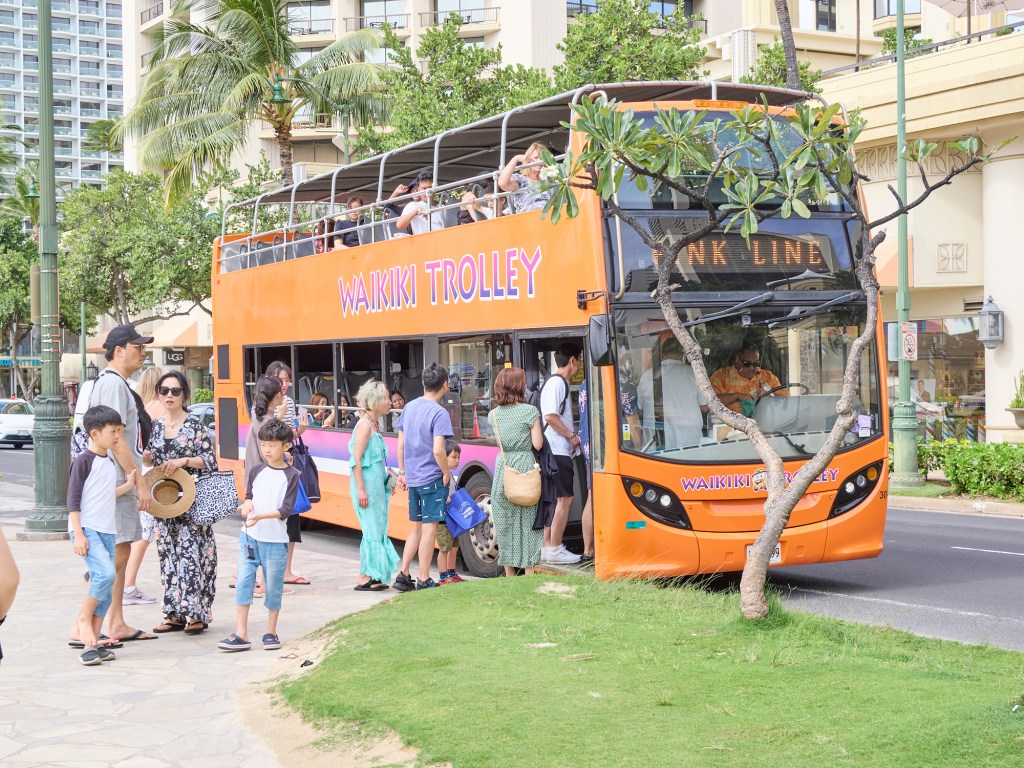
Tourism glorifies Hawaiian culture, but not Hawaiian people. Yet Hawaiʻi cannot abandon this precious cash cow because the economy will suffer if the dancing stops.
The industry is projected to bring in $860 million in tax revenue this year, down from $1.1 billion in 2023. Hospitality leaders are already begging the state for “dramatic changes” and “increased marketing.”
Speaking It Without Saying It
“Filipiñana” remarkably conveys the power dynamics of class through spoken language.
The film is mostly in Tagalog and Ilocano, an Austronesian language spoken in northern Luzon. Together, they are the two most widely spoken languages in Hawaiʻi after English, with over 110,000 speakers combined.
Each language is used to signal a person’s place within the social hierarchy. English further distinguishes rank, even down to whether it is spoken with an accent or not.
This all unfolds through phantasmagoric, Kubrick-style cinematography by Xenia Patricia, with thoughtfully composed scenes that emphasize the contrast between dominance and subjugation.
Visually, the film is stunning. Its pacing is slow-moving but intentional. Lingering on each moment feels almost voyeuristic, drawing you into the gentle despair felt throughout the film.
No surprise that it won the Special Jury Award for Creative Vision at the 2026 Sundance Film Festival.
The Price Of Paradise
The film touches on the interdependence between tourist and service worker: the former needs the worker to serve them in paradise; the latter relies on the tourist for work.
But let’s clarify the disparity. When Kona low storms swept the islands in March, they left families displaced; Hurricane Lala reduced a whole cemetery to rubble. For tourists, they simply ruined their vacation.
Tourists rarely care about that part of the “local experience.”
Coming Soon?
Fittingly, the film will be coming to our islands; it would be especially ironic if it missed us.
The 46th annual Hawaiʻi International Film Festival (HIFF46) has not announced its full program yet, but the film’s distributor, Kino Lorber, confirmed in an email that “Filipiñana” is scheduled to screen at this year’s festival.
HIFF46 runs from Oct. 21 to Nov. 5 on Oʻahu, followed by neighbor island screenings Nov. 6-15. Tickets and passes are on sale now.
Maybe the film hits differently when experienced in paradise.
 Sign up for our FREE morning newsletter and face each day more informed.

Local reporting when you need it most
Support timely, accurate, independent journalism.
Honolulu Civil Beat is a nonprofit organization, and your donation helps us produce local reporting that serves all of Hawaii.
ContributeAbout the Author