Lee Cataluna: Our Strange Fixation With Ni‘ihau
Why aren’t we similarly obsessed with other “forbidden” parts of Hawaiʻi — such as those fenced off by billionaires?
September 27, 2026 · 5 min read

About the Author

As Hurricane Lowell headed toward Niʻihau on Sept. 7, people watching media coverage of the approaching storm worried about the residents of the island.
Kauai County Mayor Derek Kawakami tried to assure folks that Niʻihau residents knew what was heading their way and were making preparations to keep everyone safe. The 2020 census counted 84 full time residents on the island, though the population fluctuates as family members come and go for work, school, healthcare and community gatherings.
“We have been in touch with Bruce and his daughter Briana Robinson,” Kawakami said, referring to two prominent members of the family that has owned the island for more than 150 years. “I tell you what, those folks are rugged. They are stoic. They are resilient.”

Ideas showcases stories, opinion and analysis about Hawaiʻi, from the state’s sharpest thinkers, to stretch our collective thinking about a problem or an issue. Email news@civilbeat.org to submit an idea or an essay.
After the storm, Kauaʻi Emergency Management Agency department head Elton Ushio responded to questions about Niʻihauʻs status, saying, “The county continues to be in close communication with the Robinson family, and we are always available should they need our assistance.”
Days passed, and the wholesome concern for the well being of the people who live on the island seemed to turn into something a bit resentful and obsessive when no video footage or firsthand accounts of Lowell’s impact on the island emerged.
Several news stories called Niʻihau the “forbidden island.” One news outlet referred to a “veil of secrecy”.
The online comments started to get snippy, as though folks had a right to know, a right to see, a right to tsk tsk over images of storm debris and structural damage on the island.
Check your brakes, friends. The official word from the County of Kauaʻi, which includes Niʻihau, is that they’re okay. If you find yourself having personal feelings about Niʻihau but no actual connection to Niʻihau, maybe find something else to worry about that is your kuleana.
People have a fascination with those who live apart yet so close, removed from the conveniences and chaos of 2026 American life and rooted instead in culture and tradition. Maybe we envy them because they have things we aren’t willing to sacrifice for.
Or maybe we just don’t like the idea of places in Hawaiʻi where we can’t go.
Here’s a suggestion: Instead, turn that focus to the other parts of Hawaiʻi that have recently been bought and fenced off by billionaires who aren’t from here.
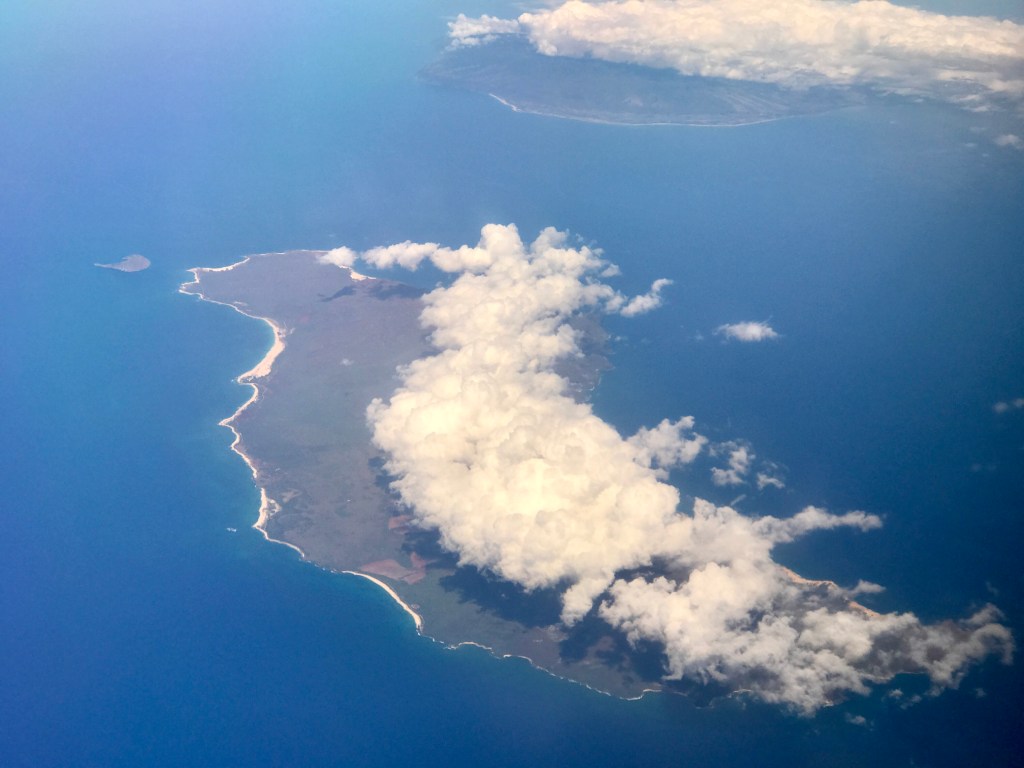
The Robinson family’s ancestor Elizabeth Sinclair purchased the island from King Kamehameha V in 1864. Over the generations, the Niʻihau dialect of the Hawaiian language has been preserved on the island, and the community has enjoyed a simple, traditional way of life that values a close-knit community.
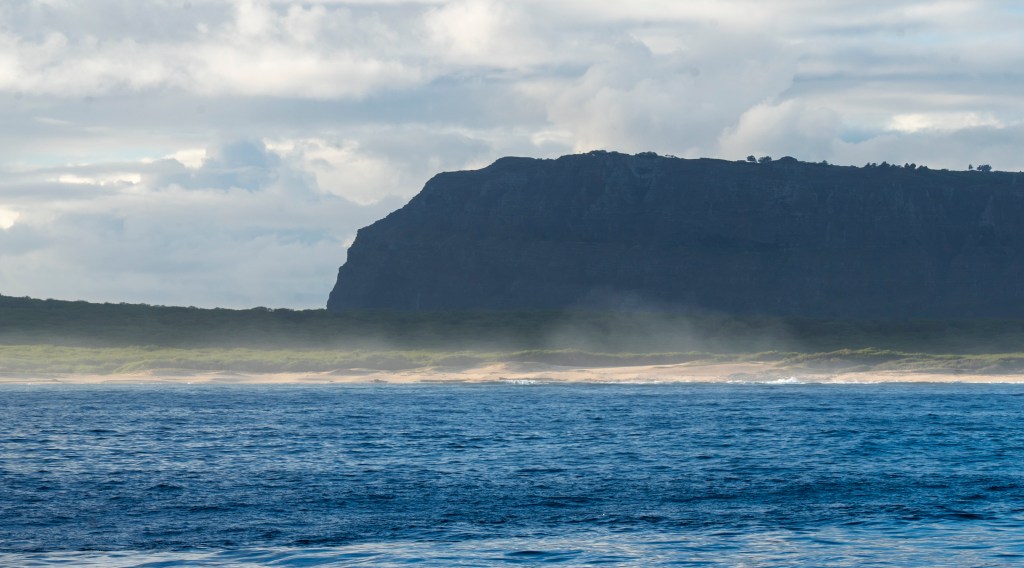
Like most kama’āina, I’ve never been to Ni’ihau, but from everything I know from people who are from there or who spent time there, it is exceptional.
If Niʻihau was like every other island in Hawaiʻi, there might be hotels and vacation rentals, zip lines and golf courses, wedding venues and Starbuckses and all manner of ruination there. Instead, Niʻihau is Niʻihau.
It is a small island, roughly 70 square miles in area, or about 44,480 acres.
Meanwhile, tech billionaire Larry Ellison bought 98% of the island of Lanaʻi, roughly 90,000 acres, in 2012. Sure, you can visit Lanai, but unless you’re okay going “rustic,” a hotel room can run over $1,000 a night.
AOL billionaire Steve Case owns nearly 40,000 acres of Kauaʻi, nearly the size of Niʻihau. But he went to Punahou so he’s not an out-of-town billionaire. He’s one of ours. Kind of.
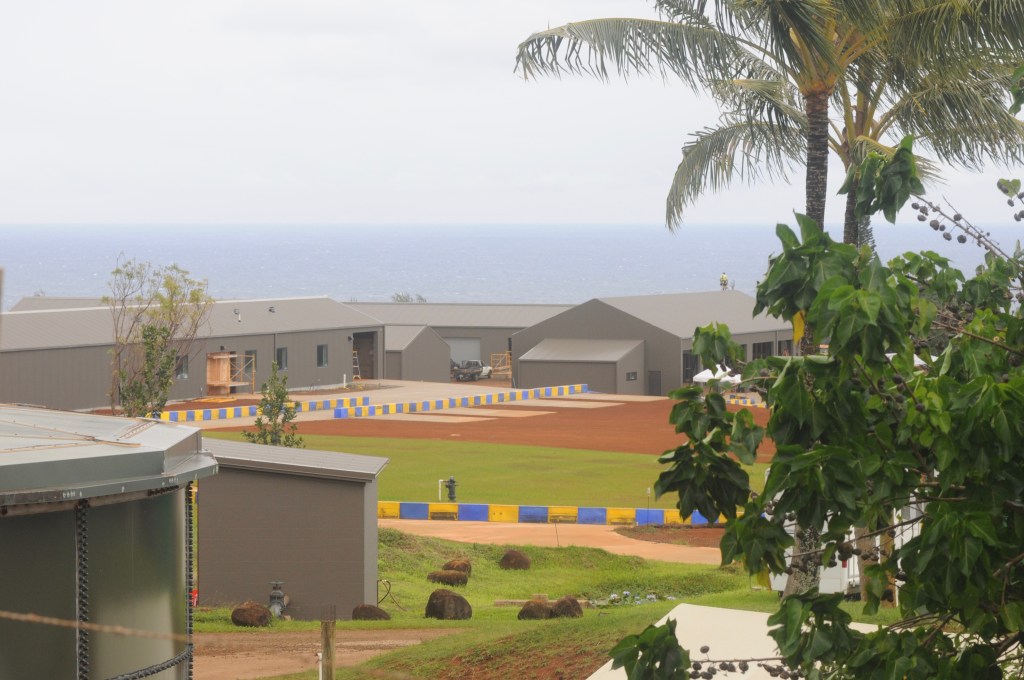
Mark Zuckerberg owns 2,300 acres on Kauaʻi, which he has fenced off and fortified with guard towers. Some of that land he tried to obtain by quiet title, a legal maneuver to get ancestral lands out of the hands of descendants without them finding out about it.
You can’t drop in and visit the Zuckerbergs or cross their property to get to the beach, but every so often, they throw out a million dollar grant to a Kauaʻi public school like tossing a crust of bread to the pigeons.
Oprah Winfrey owns 2,000 acres on Maui, an island where a house on a quarter-acre of land is out of the price range of most working families. Nobody bothers Oprah about what she’s doing on her private property. Nobody is mad that they can’t go hang out by her pool.
The island of Kahoʻolawe includes about 28,800 acres and beaches teeming with sea life, but nobody frets that, due to the military’s use of the island as a target for bomb practice from 1941 to 1990, access to the island is restricted.
When tourism in Hawaiʻi was in its nascent stage in the 1920s, some travel writer came up with the nickname “Forbidden Island” for Niʻihau, possibly because they were told they couldn’t go there and maybe because they couldn’t pronounce the name. That moniker, “Forbidden Island,” is such a trigger. Americans do not like to be forbidden. That word is a challenge. It is an affront.
Access to Niʻihau is not forbidden, but it is restricted. There are helicopter and boat tours you can book. But thank goodness for the Robinsons’ generational stewardship and rules that keep that island from being just like the rest of Hawaiʻi, otherwise every doofus with a rented boat, a cooler full of beer and dumb ideas about Gilligan (the Skipper too) would be invading the island’s peace and self-determined way of life.
 Sign up for our FREE morning newsletter and face each day more informed.
Local reporting when you need it most
Support timely, accurate, independent journalism.
Honolulu Civil Beat is a nonprofit organization, and your donation helps us produce local reporting that serves all of Hawaii.
ContributeAbout the Author