Olin Lagon: A Lesson From Kūhiō Park Terrace And Kahoʻolawe
This is a story about hard places, some of them more difficult to visit than others.
September 3, 2026 · 7 min read

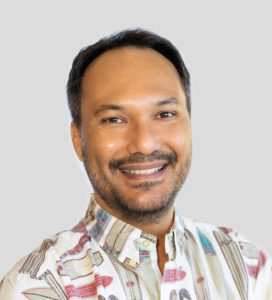
About the Author
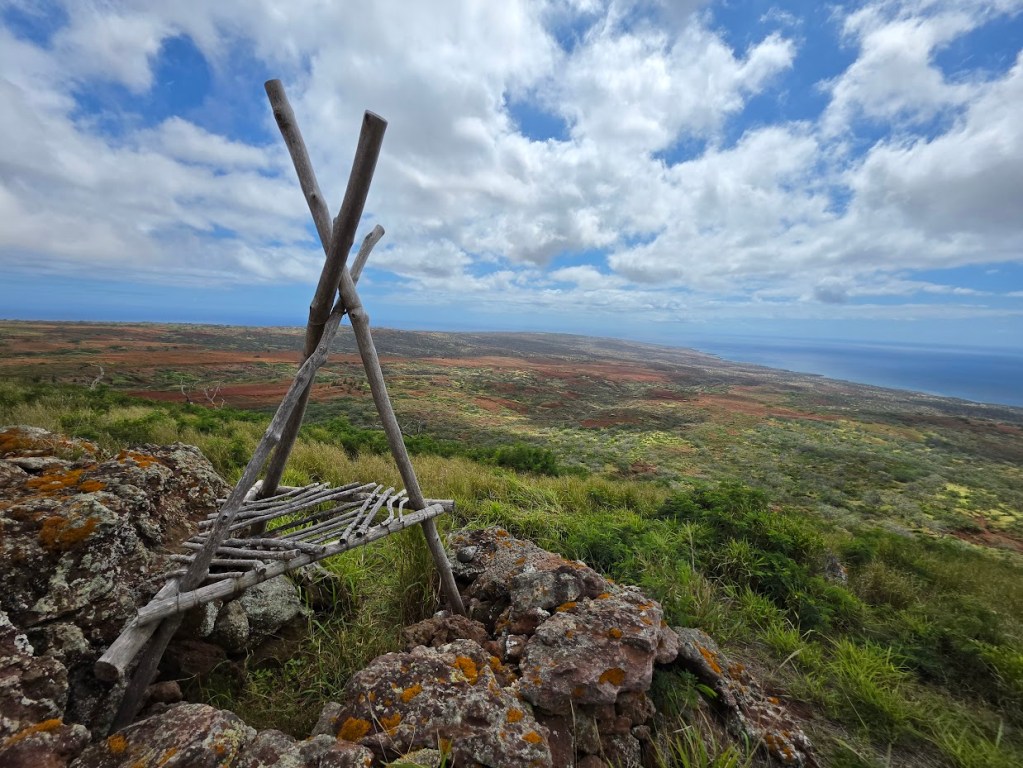
Scientists kept finding a pollen they could not name.
It showed up everywhere, from sinkholes on Oʻahu to cave deposits on Kauaʻi. The same pollen kept appearing across a 3,000-year window. This was no sparsely distributed shrub. It was so abundant that whatever produced it must have blanketed parts of our landscape.
Then, about 500 years ago, poof, it was gone. Every sample after that point came up empty. Scientists presumed the plant distributing the pollen had gone extinct.
Hold onto that mystery. This is a story about hard places, and I’ll circle back to it.
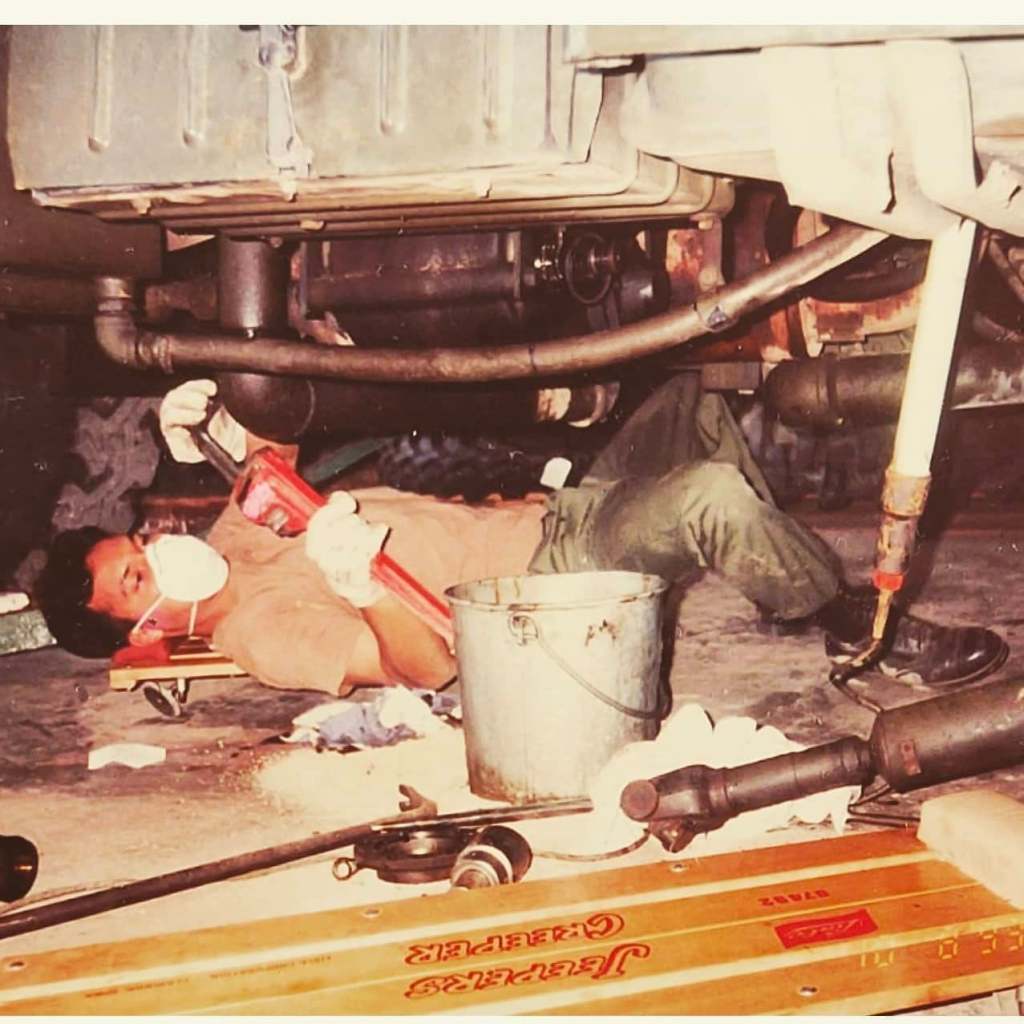
In the early 1990s I served in a Naval Reserve engineering unit. Our team was part of the earliest efforts to clean up Kahoʻolawe, work that only existed because heroes had fought and sacrificed for decades to stop the bombing. Every year we got assigned to a random naval base for a couple of weeks, and every year a good chunk of our team got sent to Kahoʻolawe. I happily never drew that straw. I didn’t want to go to hard places.
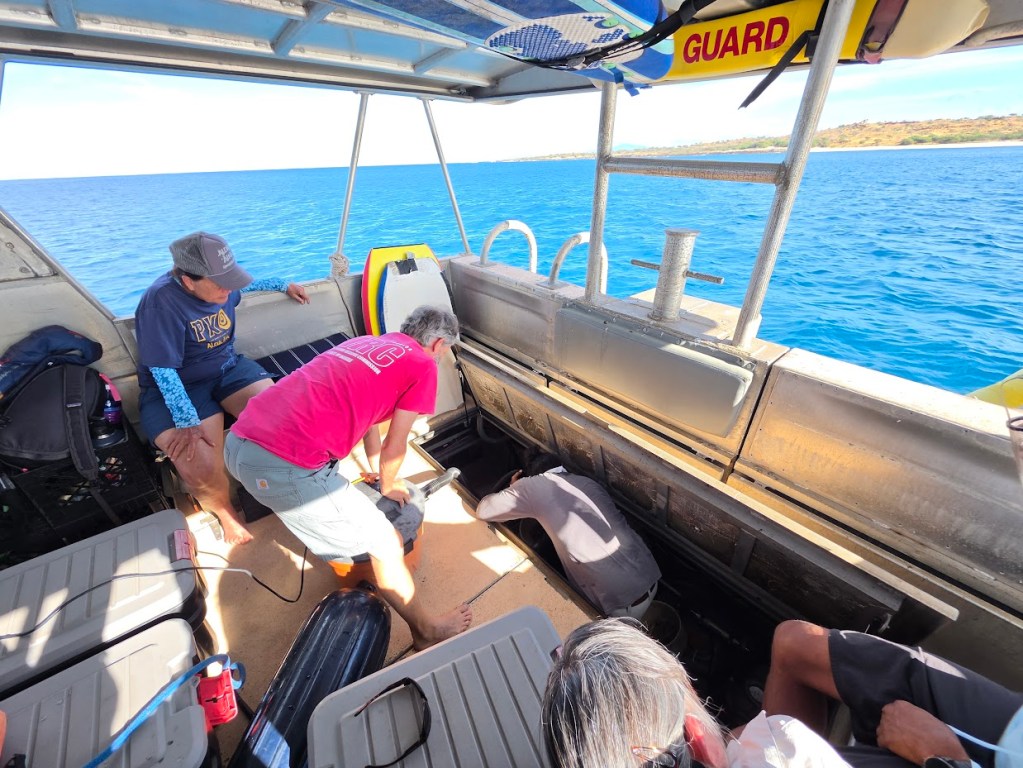
Until, that is, I jumped on a boat from Maui this month. I was invited to spend two days on Kahoʻolawe as part of my volunteer work on a technical advisory group to the Office of Hawaiian Affairs trustees. We went to immerse ourselves, plant ʻaʻaliʻi, and reflect.
Kahoʻolawe is one of the hardest places I have ever been. The military boat that took us looked like an upgraded version of the amphibious landing boats that stormed Normandy. It still took multiple starts and stops to get us ashore. Before it could pull back out, the crew had to kill the engine, start a generator and wet vacuum the sand out of the clogged intakes. The four-wheel-drive Ranger that met us on the beach got stuck trying to haul us out. We ended up walking to base camp.
I have done a walkabout in Africa, and this heat felt worse. It pulled more water out of me. In five decades I have never needed lip balm in Hawaiʻi. Kahoʻolawe fixed that. I hate the feeling of sunscreen but splattered on SPF 50. It wasnʻt enough. My face was way crispier than our ʻono mahi mahi dinner. And this was with unusually cool and cloudy weather.
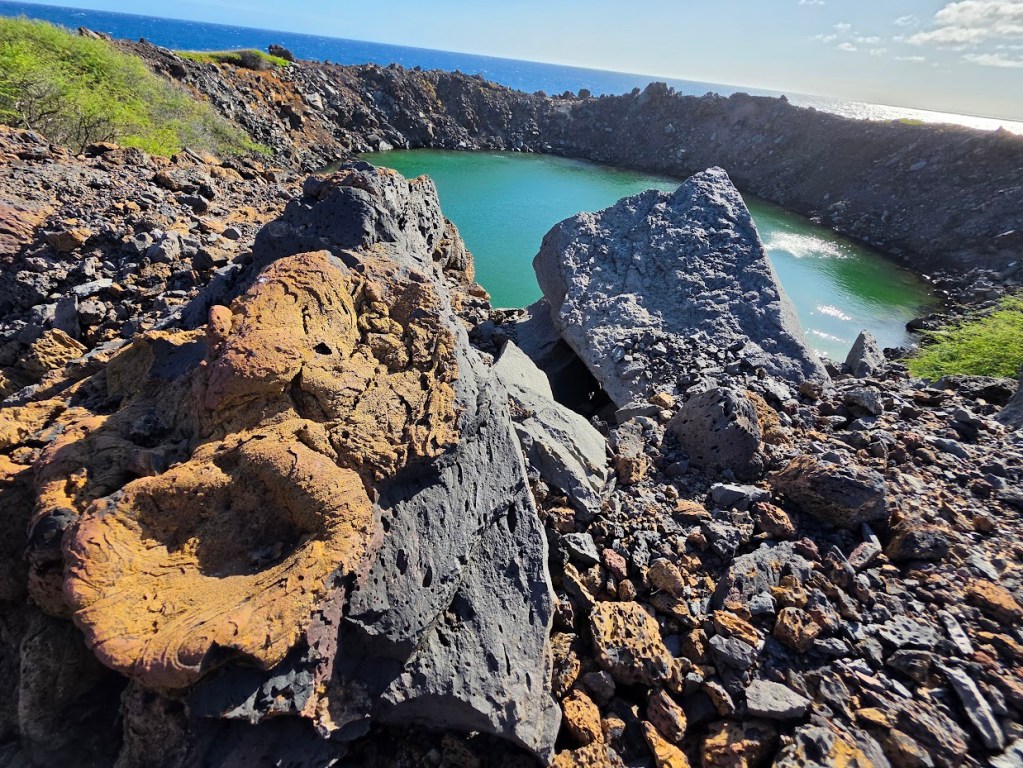
So much of the island is still missing its skin. We made treks across a sea of dry hardpan to reach wahi pana, our storied places. The footing was rough. One of the kūpuna with us pushed up anyway, and even with help on the way down I worried she would slip hard. I was glad I wore shoes. Though the mutant kiawe thorns looked like they would easily spear through anyways.
The hardest part was sitting with the destruction. One blast is believed to have cracked the island enough that sea water and fresh water found permanent paths to create an alien brackish slurry that fills the crater. The blast melted the rocks around the crater. They are still there.
You get my point. The place is extraordinarily hard.
Which is why it held the answer.
In 1992, two botanists were working on the island. One rappelled down the cliffs above a sea stack, which is a disconnected bit of land jutting out of the ocean. They found two odd-looking plants on top. And lo and behold (always wanted to say that), these were the mystery plants.
It was named Ka Palupalu o Kanaloa. Not just a new species, an entirely new genus. Finding a new genus in one of Earth’s most studied places is like finding a hidden room in a house you have lived in for 75 years.
I am no botanist, but so much of Hawaiʻi looks like it holds everything a plant could ever need, especially one that thrived here for at least 3,000 years. Yet all of it was too soft. Its last refuge on Earth was a rock stack. Its name means the softness of Kanaloa. The softest thing, kept alive by the hardest place I have ever been.
I started thinking about my own hard places.

Ideas showcases stories, opinion and analysis about Hawaiʻi, from the state’s sharpest thinkers, to stretch our collective thinking about a problem or an issue. Email news@civilbeat.org to submit an idea or an essay.
I grew up in Kūhiō Park Terrace, one of Hawaiʻiʻs poorest public housing projects. When I was about seven, I caught tuberculosis. If that wasn’t hard enough, about then I got stabbed in the head for the crime of minding my own business drawing with some chalk on the sidewalk. KPT was a hard place.
I avoided that place until my 40s, when I was finally brave enough to ask my mom a question that bugged me for so long. Why did she call our pastor instead of 911 when I showed up at home bloodied?
She got quiet. When she finally spoke, she said she called him because I needed to get to the ER. I waited. There was more. Then she said she called because she needed care, too.
As a parent now, oh that broke me. She could not protect me. We knew who stabbed me but we both lied to the police that we did not know. We were not naïve. We still had to live there. She had to be strong for me. She called looking for someone to be strong for her, too.

The plant’s story almost ended on that rock. By 2015, those last two wild plants had died. Seeds and cuttings had been collected just in time, but for years botanists struggled to propagate more in nurseries. By 2020 the species was down to two plants again. Twice now it had come down to two. Once on a sea stack and once in a nursery years later. And both times, what saved it was two survivors blooming together. Today there are about 20 plants, all still in nurseries.
My mom and I were two survivors of the same hard place, and for almost 40 years, she held hers to herself. I held mine. Had we not bloomed together, that priceless shared experience would have been gone forever.
On the ride out, I found a spot on deck where I could watch the island get smaller and smaller. A song by Olivia Dean got stuck in my head. Crap! This happens to me a lot. I tried hard to shake it. It was a song about moving on from someone, and it felt so out of place. But loop on it did and I started to just go with it. She was singing about a relationship but I started to feel her angst about changing and becoming someone the old her would not recognize. The island is doing that right now. So is the plant. So am I.
I still have hard places I have not gone back to. And more than a few I am still afraid to enter. The island got smaller, the sea spray made me colder, the song kept playing, and I let it all in.
 Sign up for our FREE morning newsletter and face each day more informed.
Read this next:
Local reporting when you need it most
Support timely, accurate, independent journalism.
Honolulu Civil Beat is a nonprofit organization, and your donation helps us produce local reporting that serves all of Hawaii.
ContributeAbout the Author