Olin Lagon: This Moth Fired Up My Curiosity
We need to encourage our flame keepers, not snuff their spark out. A hummingbird moth I encountered in Pālolo is part of that fire.
September 24, 2026 · 6 min read

About the Author

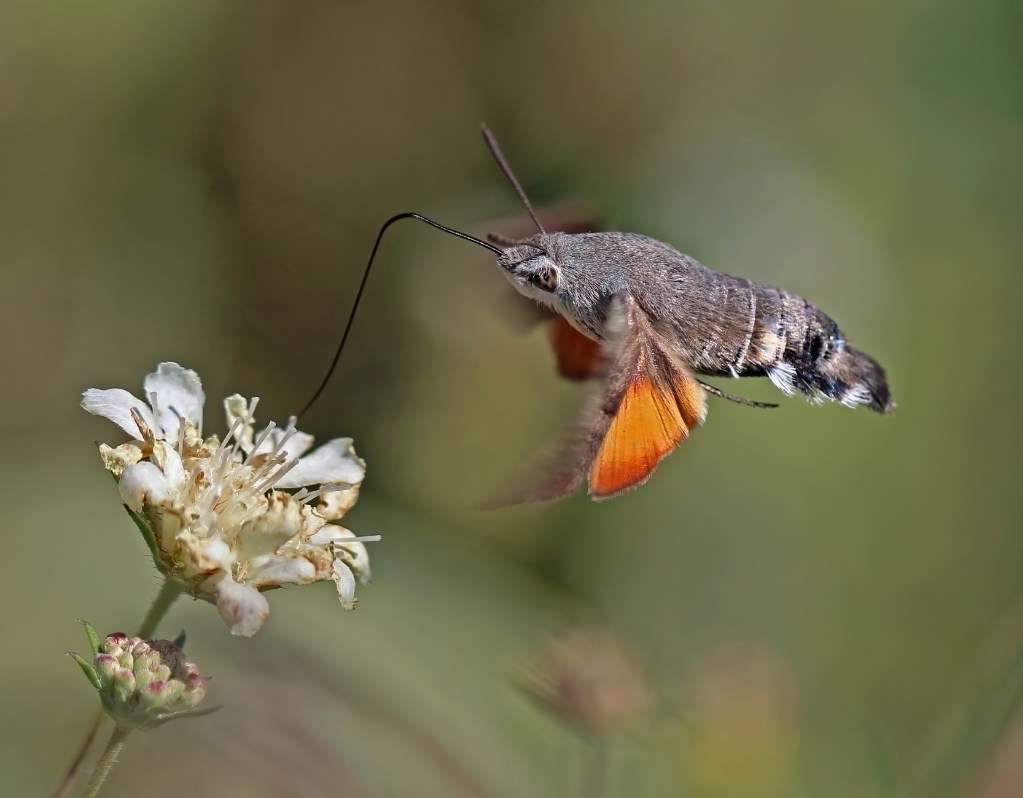
There are no hummingbirds in Hawaiʻi. I saw one anyway in Pālolo Valley, and I could not wait to tell my teacher.
For those who know me, this should not surprise you. I look for interesting things.
My midnight video of the elusive Kalihi wallaby made the news. Maybe you have seen my photos of the blue dragon we caught, that elusive beautiful little sea creature that eats Portuguese man o’ war and concentrates their venom into a whomp of a sting. Or heard me talk about my hunts for our only native snake, the highly venomous yellow-bellied sea snake. One day I will get a picture of that one too.
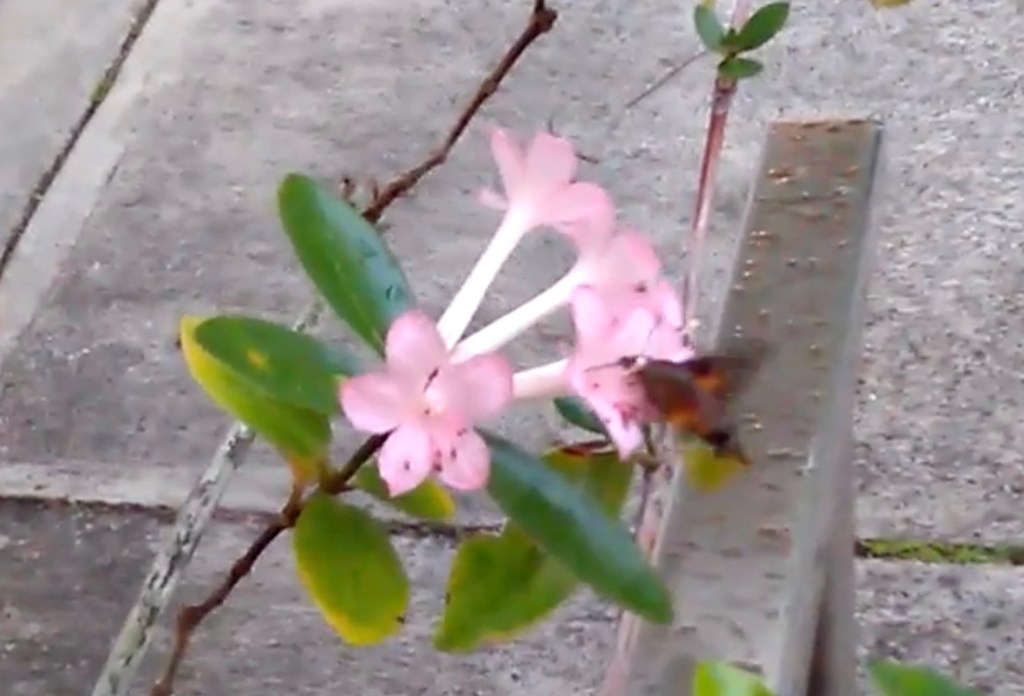
Fourteen years ago I finally recorded this video of my small kid time hummingbird and took a screen shot of it, the blurry image to the left. It was as real as I remembered.
I’d like to think I am still extremely curious about everything. We are all born that way. But over time we let fear and bias in, often from the folks we love the most.
This is a story about curiosity keeping warriors.
I told my third grade teacher about the hummingbird, and she seemed really excited to dig into that mystery with me. She asked if we could go to the library during recess to read up on the bird.
We dug through musty drawers of worn index cards until we found the right sequence of deweys to locate a book about our birds. I took it home but the bird I saw was not in there.
The following week she loaned me a book about our insects, and there at home I found it. I had no idea moths could fly like that. I did not remember what it looked like well enough to tell whether it was one of the native or introduced hummingbird moths, but I now knew what it was. After all these years, I am still so grateful she kept my curiosity going.
Oh, did my mom suffer through my curiosity. A year after the moth discovery, I read about tattoos of course at the library.
Tattoos! They looked so cool I had to have one. I grabbed a needle from her sewing kit, wrapped the tip with thread the way the book described, and got some India ink at Longs (how I got that ink is for another column). I did not hesitate.
I jabbed a lightning bolt design where I figured I did not have a lot of veins. The back of my fourth grade left hand now looked really cool, or so I thought. I had to offer my newly found skill to some other housing kids at KPT. They were as excited to get one as I was to be a tattoo artist.
You can imagine what my mom felt. But she did not grab da slippaz to knock the curiosity out of me. She must have punished me, but it was not memorable. What I remember was how hard it was to apologize to a mom for tattooing her son. I cannot imagine who Iʻd be without her grace.

Ideas showcases stories, opinion and analysis about Hawaiʻi, from the state’s sharpest thinkers, to stretch our collective thinking about a problem or an issue. Email news@civilbeat.org to submit an idea or an essay.
I see these flame keepers everywhere.
A few years ago I read “The Code Breaker.” The author, Walter Isaacson, wrote definitive biographies of folks such as Steve Jobs, Elon Musk, Benjamin Franklin and Leonardo da Vinci. In this one, he wrote about the extraordinary life of a girl who grew up in Hilo.
In one interview I listened to, he said that of all the leaders he wrote about, he was awestruck by how she led with kindness.
He tracked her journey from Hilo to becoming one of eight women to win the Nobel Prize in Chemistry and detailed how her RNA research and inventions like CRISPR gene editing have radically changed how medicine can treat incurable diseases. Doctors already use CRISPR to treat diseases such as sickle cell.
But I was mesmerized by her flame keepers. The book opens with her childhood in Hilo. She and a friend explored caves. They found a spider with no eyes. They were blown away that hilahila, sleeping grass, closed when they touched it. She wondered why in the world a plant moves when touched. Her dad took her to the library to help her hunt down answers.
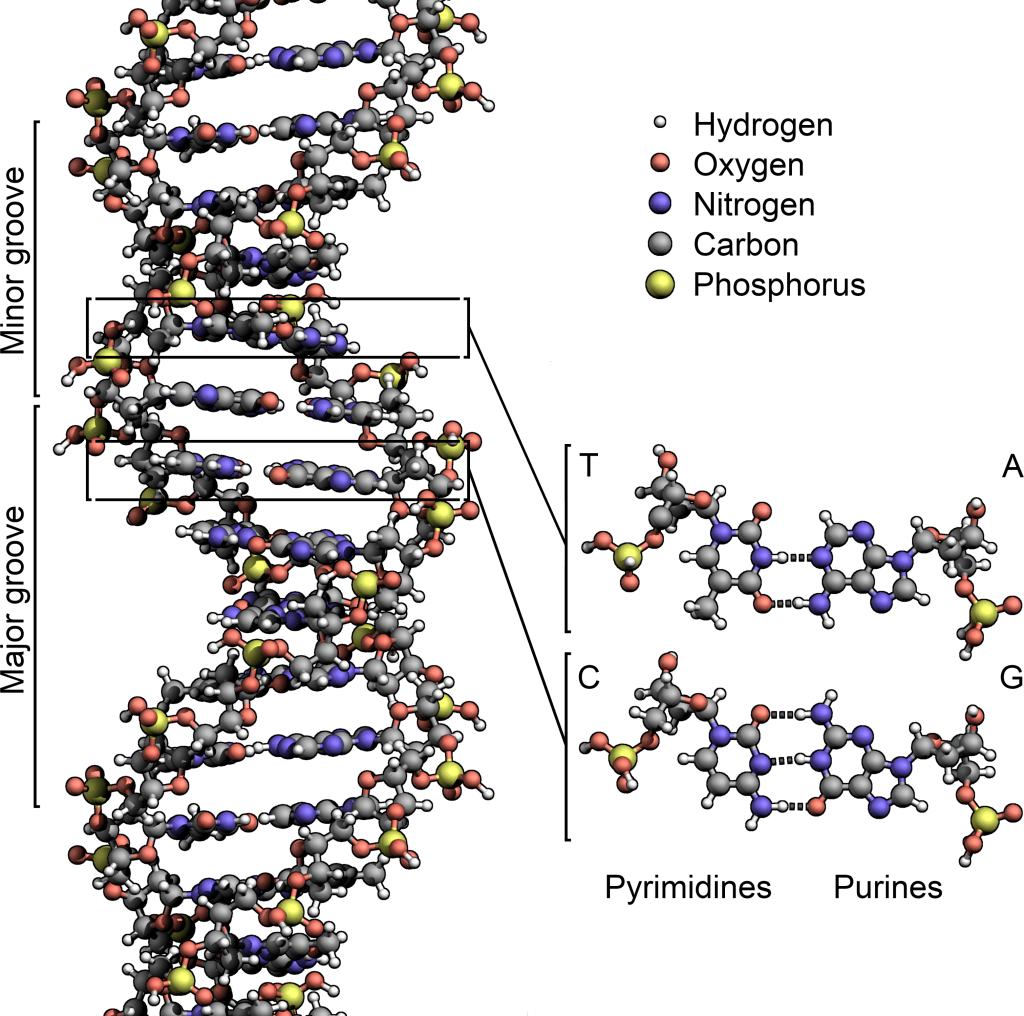
In the sixth grade her dad left a copy of “The Double Helix” on her bed. She thought it was a detective novel. The book chronicles the race to find the structure of DNA. She was inspired by Rosalind Franklin whose X-ray images helped crack the case. Rosalind showed her that women should be scientists too.
For every flame keeper, she seemed to have an abundance of others trying to put her fire out. Her high school counselor tried to talk her out of majoring in chemistry. He went so far as to tell her that girls do not do science. Luckily she ignored him, but barely.
During undergrad she was ready to quit and switch to French. Her French teacher asked what else she was studying, heard chemistry, and pushed her to get right back at it. A counselor almost snuffed out life changing cures. A French teacher probably had no idea what she was saving.
I purposely left her name out. If you do not know her story, you too have a reason to visit the library.
When we started the Purple Maiʻa Foundation, we tossed purple in the name partly as a reminder to us to be flame keepers. Purple is the rarest color in nature. There are no purple mammals. Plants rarely produce purple parts.
To be purple, a thing must be made of special molecules that reflect both ends of the spectrum, red and blue, all at once. That is one large and resource intensive molecule to make. Nature likes to be efficient. To be purple, it must really, really be worth the extra energy. But look around. You will find bits of purple if you look hard enough.
We work with keiki, and we believe it is our kuleana to look for the purple in them, especially when it is hard to see. I bet it was near impossible to see mine, yet my third grade teacher and my mom were only a sampling of all the flame-keeping warriors who spotted my purpleness.
I saw a similar hummingbird moth again recently. Every time I see one, I get giddy like I am back in the third grade. I watched it leave our yard. Maybe it flew to a neighborʻs yard with a third grader who is right now excitedly telling somebody she swears she saw a hummingbird.
And that somebody is the next warrior up.
 Sign up for our FREE morning newsletter and face each day more informed.
Local reporting when you need it most
Support timely, accurate, independent journalism.
Honolulu Civil Beat is a nonprofit organization, and your donation helps us produce local reporting that serves all of Hawaii.
ContributeAbout the Author