Olin Lagon: The Tradeoffs Of Paving Paradise
Roberta Joan Anderson was dismayed by the scene outside her Waikīkī hotel room. I see ʻāina that fed my education, and hard choices that paved the way.
October 29, 2026 · 7 min read

About the Author
Late November 1969, a young singer-songwriter landed in Honolulu for the first time. I’m guessing that she took a cab, a yellow one, to her hotel. She never said which one, but it was probably that famous pink hotel in Waikīkī, the Royal Hawaiian. If you’ve been there, you’ve likely walked past fancy boutiques and maybe even danced a bit at whatever hot spot was swinging at that time.
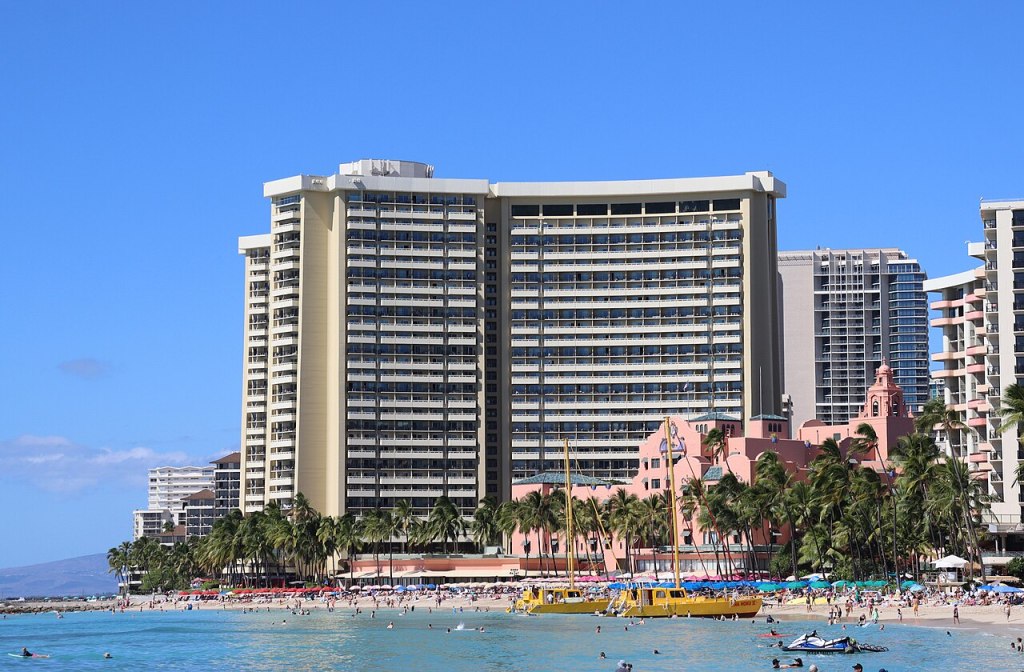
She arrived at night with big expectations of what she thought paradise should look like. She woke up, opened her curtains, and the view broke her heart. Across the driveway from the Royal Hawaiian was a massive construction site. A crew was building what would become the fifth largest hotel on earth at that time, the Sheraton Waikiki. A hotel that big needed a caldera-sized parking lot.
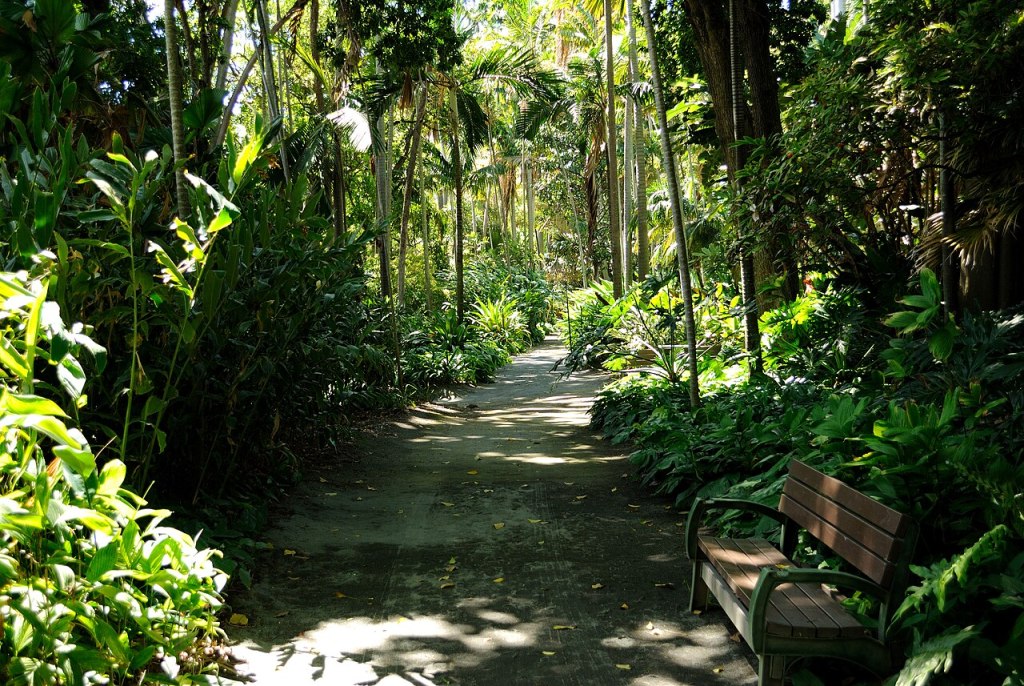
She only had a weekend on Oʻahu. One visit was to Foster Botanical Garden.
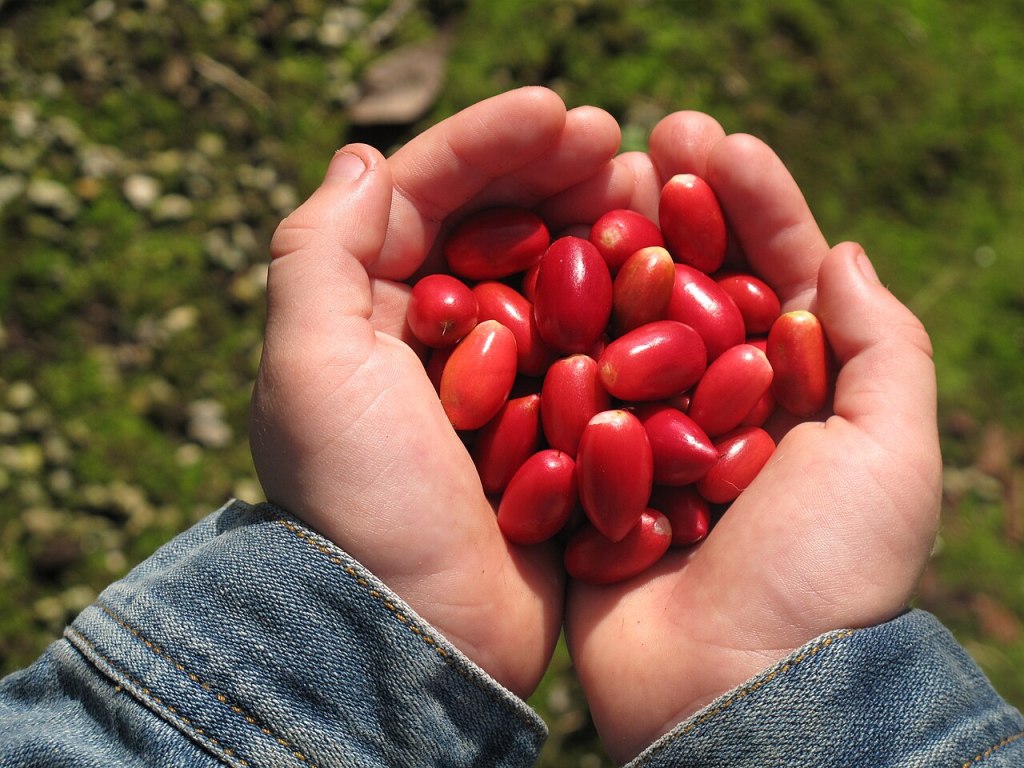
That was where as a keiki I got introduced to the magical miracle berry. Our guide pointed out the plant and offered us the experience. I chewed up a berry, waited a minute, then bit into a piece of lemon. It tasted like candy! The berry coats your tongue with a protein called miraculin, and for about an hour anything sour tastes sweet.
My visit was enchanting and so were the gardens! Her visit helped inspire a song about a tree museum where they charged her a buck and a half to see them.
Maybe there were more heartbreaks. She wove in DDT into a song. Back then the newspaper got slid under your hotel door. I checked the archives. That month the federal government announced it would phase out nearly all uses of DDT over a couple of years. Some argued it was too long. Others way too fast. Maybe it was the headline in her morning paper.

Ideas showcases stories, opinion and analysis about Hawaiʻi, from the state’s sharpest thinkers, to stretch our collective thinking about a problem or an issue. Email news@civilbeat.org to submit an idea or an essay.
A few weeks later, she told a crowd from the stage “two weekends ago I was in Hawaii. It was a bummer because I didnʻt get to stay long enough.” She said she looked out her hotel window and saw mountains “all green and lush and white birds flying around and this was paradise but in the middle was a big parking lot.” Then she started to sing…“They paved paradise, put up a parking lot.”
By now, you’ve probably guessed her name – Joni Mitchell – born Roberta Joan Anderson. She came back a couple of years later to play at the Waikīkī Shell.
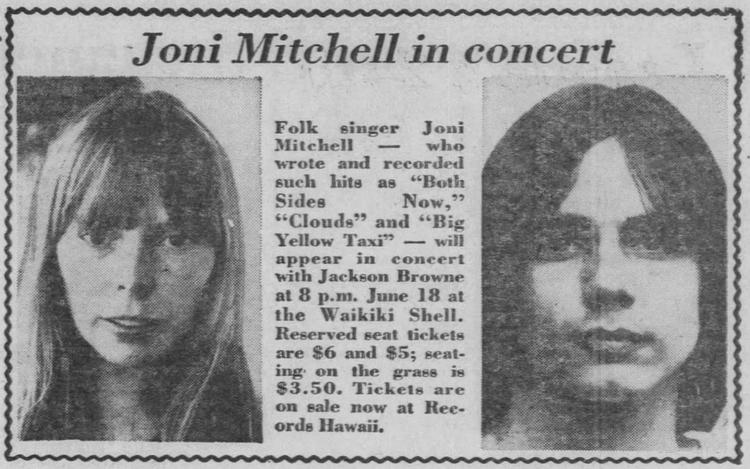
Wayne Harada wrote that he loved her poetry but that her songs kinda sounded the same and her concert was too long. Ouch! He did mention that she shared the backstory of the song “Big Yellow Taxi” and said “I wish I got here before the pink ticky-tacky got up, you know.”
So letʻs go there, before the pink ticky-tacky.
We gotta start with a rooster, a supernatural one.
In moʻolelo I heard, Kaʻauhelemoa lived in Kaʻau Crater above Pālolo. After living on Waimānalo homestead, my ʻohana moved to Pālolo housing, and that is where I first heard pieces of stories from the valley. Later, as a student, I climbed up near the bog in that crater on a trail I never should have taken, paving paradise with my feet.
Sometime in the 1600s, Kaʻauhelemoa flew down to Waikīkī. He landed in front of Kākuhihewa, the ruling chief of Oʻahu. He clawed at the dirt by the chiefʻs feet and disappeared. Kākuhihewa took it as a sign and had a coconut planted where the rooster scratched. They eventually planted 10,000 coconut trees in that area and named it Helumoa, literally “chicken scratch.”
By then Oʻahuʻs chiefs had been ruling from Waikīkī for generations. In 1795, Kamehameha I and his warriors landed at Helumoa. They camped under the palms and took Oʻahu at the battle of Nuʻuanu.
Helumoa must have been incredibly special. Kamehameha I returned and built a home there. His son Kauikeaouli, Kamehameha III, had a home there too. So did his grandson Lot Kapuāiwa, Kamehameha V. Three generations of Kamehameha kept coming back to this ʻāina.
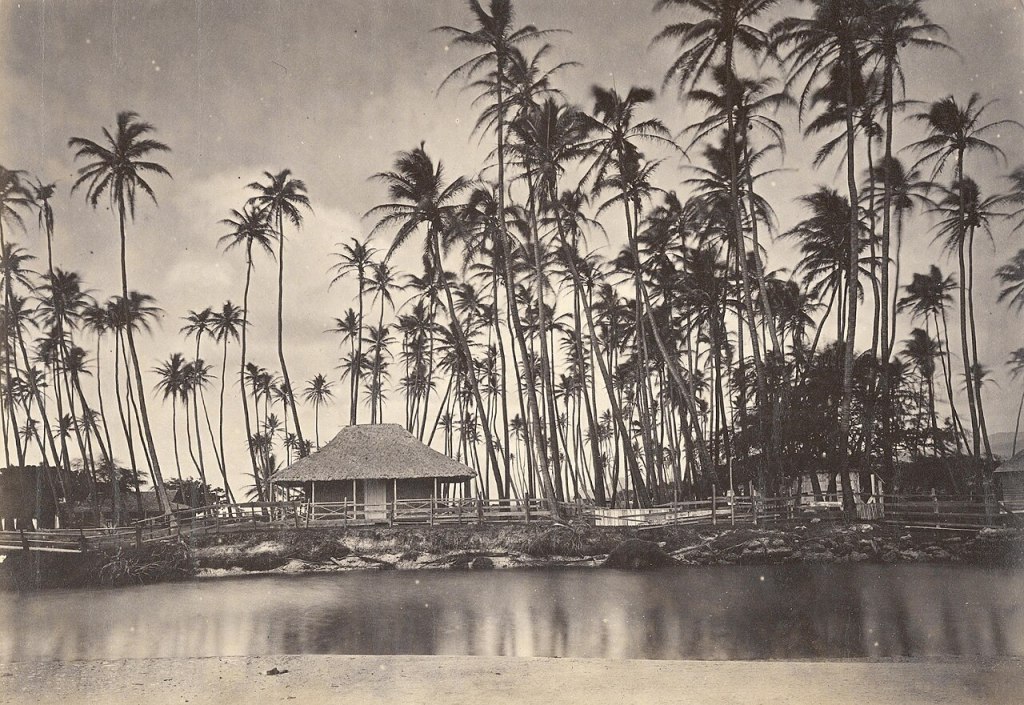
When Lot died in 1872, the land went to his half-sister, Princess Ruth Keʻelikōlani. When Keʻelikōlani died in 1883, Helumoa passed to her cousin, Princess Bernice Pauahi Bishop, the great granddaughter of Kamehameha I.
That same year, her doctors found cancer. She could have gone anywhere to live, but in her last months she too chose to return to Helumoa. While she was there she wrote the last two parts to her will that created Kamehameha Schools. A week later, at Keōua Hale, she passed away.
I think of Pauahi now when I hear that song.
I donʻt know if Mitchell ever learned the other side of her heartbreak. The pink ticky-tacky stood on Pauahiʻs land. Her trustees leased it, Matson built it, and for the next century lease rents went to educate kanaka ʻōiwi keiki. In November 2025, her trust sold the land under the Royal Hawaiian. Crystal Rose, who chairs her board of trustees, said selling land is always an emotional decision because “all ʻāina is special.”
That is a hard truth to hold. Paving paradise helped pave the way for my undergraduate degree. I traveled abroad 13 times as a Kamehameha Schools Fellow. I can not imagine what my trajectory would have been without that generous start from Pauahi. Parking lots helped put both of our sons through Kamehameha Schools, and they are still helping our youngest finish his engineering education on the continent.
I did not earn the ʻāina that paid for it. It was a gift from an aliʻi to her people, and I was one of them. And for most of my life I drove past parking lots without a thought for the impossible balances asked of anyone who has ʻāina kuleana.
Mitchell and I both walked out of Foster Garden a bit different. She saw a tree museum. My sense of sour was hidden so I could only taste the sweet side of a lemon. But the sour was there the whole time.
That may be one way I can describe what Pauahi’s ʻāina has done for my ʻohana, and for generations of ʻohana like mine. The parking lots are real. The opportunities are real too, and the opportunities were what I tasted. It took most of my life for the sweet to wear off enough to taste the whole lemon.
That song still comes on from time to time. I used to think of the view that Mitchell saw. Now I think about Pauahi at Helumoa, writing for keiki she would never meet, and I wonder what our moʻopuna will see when they open the curtains.
 Sign up for our FREE morning newsletter and face each day more informed.
Local reporting when you need it most
Support timely, accurate, independent journalism.
Honolulu Civil Beat is a nonprofit organization, and your donation helps us produce local reporting that serves all of Hawaii.
ContributeAbout the Author